


Minnesota Becomes The Center Of Trump’s Political Strategy
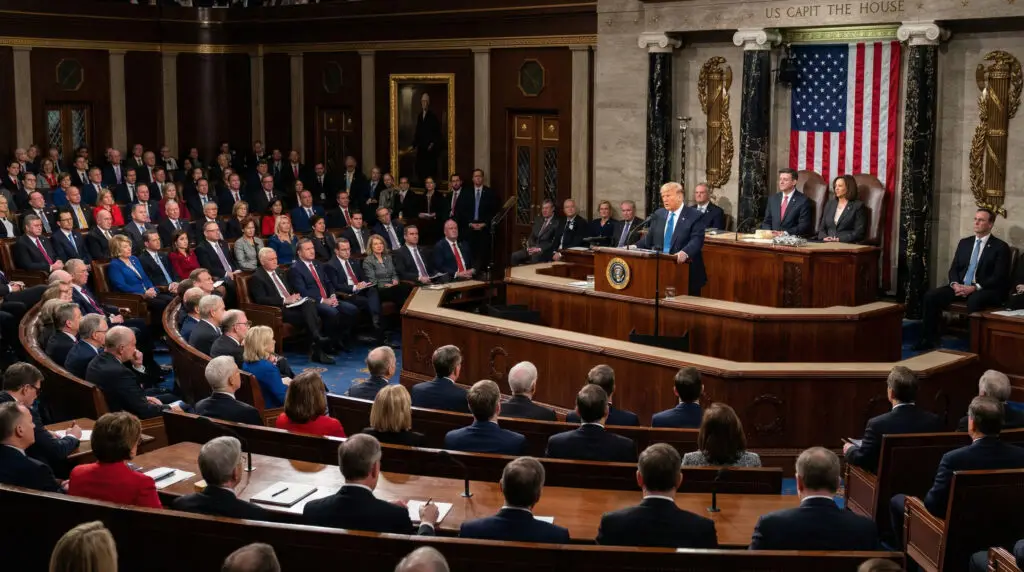
In the past few weeks, President Donald Trump and his supporters have focused more and more on Minnesota in their political speeches. This attention is part of a larger strategy to send messages about immigration enforcement and party conflict. State officials who are used to staying out of the national spotlight are surprised by the focus.
Analysts say that Minnesota is important to Trump’s plans in both a symbolic and strategic way. The state’s reputation for being progressive is very different from the administration’s immigration priorities. Targeting Minnesota gets supporters fired up while putting Democratic leaders’ stories to the test.
Source: AP News
Federal Immigration Actions Escalate Tensions In Minneapolis
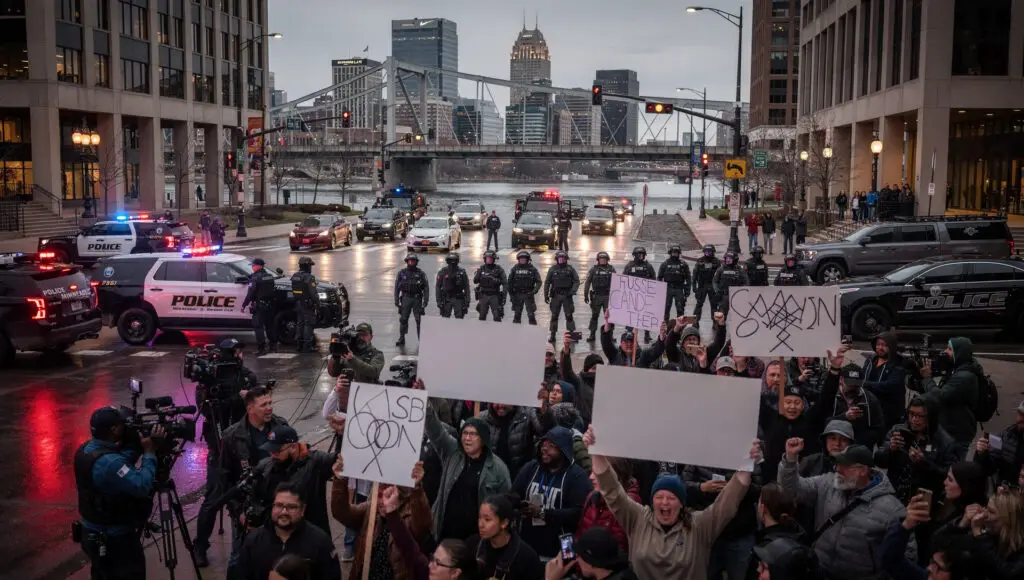
As federal agents made more arrests across Minnesota in December, immigration enforcement activity grew. Local leaders warned that more operations could put people’s safety and trust in the community at risk. These warnings came before a deadly fight with a federal officer.
The shooting of a civilian during an enforcement action sparked protests and anger across the country. Thousands of people came together to demand accountability and less federal presence. Local leaders said that agencies were making things worse instead of keeping people safe.
Mayor Jacob Frey Publicly Confronts The Federal Government
In press briefings, Minneapolis Mayor Jacob Frey openly criticized how the federal government handles immigration. He said that disorderly operations could cause serious injuries or even death. After the deadly event, his words became more important.
Frey stepped up his calls for the federal government to leave Minneapolis after the shooting. He turned down claims that the incident was justified self-defense. These comments made the gap between city leaders and federal officials even bigger.
Recommended Article: Petro Reaffirms US Ties as Tensions and Rhetoric Escalate
Trump Administration Rhetoric Targets Minnesota Leadership
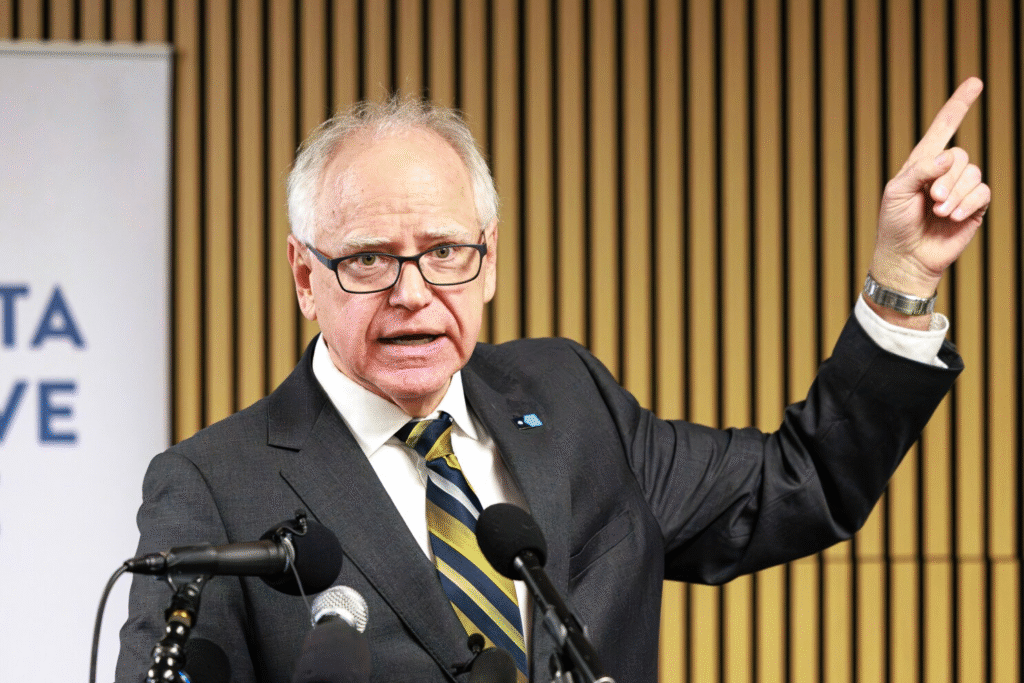
President Trump has said bad things about Minnesota leaders, including Governor Tim Walz, many times. People say that personal grudges and past election frustrations are affecting the administration’s focus. Trump tried to win Minnesota several times before but failed.
Conservative commentators made claims that linked problems with immigration to problems with running the state. These stories often used Minnesota as an example of too much government policy. Critics say that rhetoric spreads false information and makes people more divided.
Fraud Investigations Add Complexity To Political Narratives
Federal prosecutors had already found a lot of fraud in a program that helps feed children. People in the administration used the case to unfairly criticize immigrant communities. This framing left out convictions that pointed to non-immigrant leadership roles.
Community advocates criticized selective emphasis that perpetuates harmful stereotypes. They said that real prosecutions were twisted for political gain. The disagreement made it even harder for the communities involved to trust the federal government.
Immigration Debate Intensifies After Minneapolis Shooting
The deadly shooting changed the way people talked about deportation and enforcement strategies across the country. People started to compare the situation to past events that caused widespread civil unrest. Polling already showed that people were less likely to support harsh deportation methods.
During media appearances, Vice President JD Vance defended the administration’s positions. Democratic leaders responded by stressing responsibility and self-control. These conversations made it clear that the political divide over immigration policy is getting bigger.
Minnesota Response Reflects Resilience And Political Resolve
State lawmakers said they were tired and frustrated with being targeted politically for so long. They held up Minnesota as a successful example of a multiracial democracy. They said that this identity goes against stories about authoritarian-style government.
Even though there was unrest, community leaders stressed the importance of civic engagement and working together. Protests brought attention to calls for fair immigration policies and openness. Minnesota’s response could have an effect on bigger national talks in the future.