


Trump Marks Second Term With Controversial Global Messaging
Donald Trump marked the first year of his second term with a controversial and highly visible international agenda. During the week, appearances in Davos and renewed global security messaging drew immediate attention. His comments and policy signals unsettled allies and rivals alike.
Observers noted that Trump’s communication style emphasized pressure tactics and unilateral positioning. These signals coincided with sensitive diplomatic engagements involving Europe, Russia, and the Middle East. The overlap further complicated assessments of the direction of United States foreign policy.
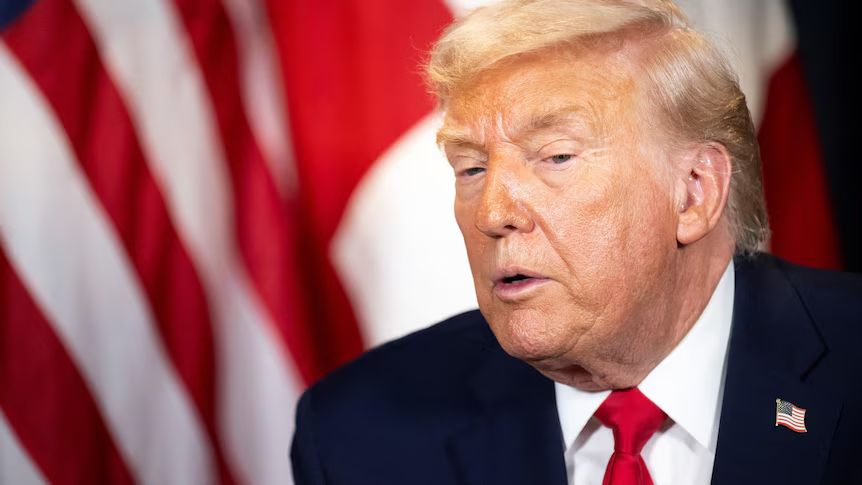
Source: ABC News/Website
New Steps In Trilateral Talks About The War In Ukraine
The first publicly known talks between Ukraine, the United States, and Russia since the start of the war were held. The meeting represented a rare diplomatic development amid prolonged fighting and stalled negotiations. While no immediate breakthroughs emerged, participants agreed to continue dialogue.
Ukraine reported a new wave of Russian attacks just hours after the talks concluded. The strikes underscored the fragility of diplomacy as military escalation continued. The contrast highlighted the significant obstacles facing any effort toward de-escalation.
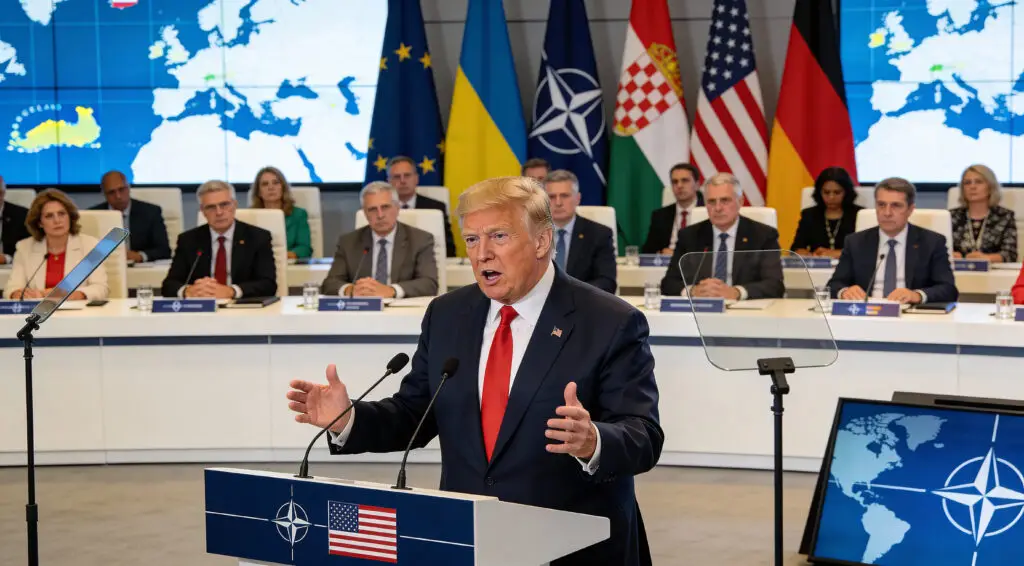
Trump Remarks On NATO Fuel Alliance Friction
Trump intensified tensions by claiming that NATO troops remained distant from frontline operations in Afghanistan. Allies quickly criticized the remarks, disputing both their accuracy and intent. NATO members argued that such statements undermined alliance cohesion.
These comments followed a week of heightened sensitivity over Trump’s statements regarding Greenland. The pattern reinforced concerns among allies about long-term United States commitment to collective defense. Diplomats warned that rhetoric alone can erode trust built over decades.
Recommended Article: Denmark Rejects Sovereignty Talks Sought by US on Greenland
The Greenland Framework Adds Strategic Uncertainty
Trump and NATO Secretary General Mark Rutte discussed a framework concerning Greenland’s future role. Sources indicated that no formal agreement has been reached despite ongoing discussions. The territory remains strategically significant due to its Arctic security importance.
Denmark confirmed that NATO military exercises on the island will continue. This stance signals continuity in defense posture regardless of political negotiations. Questions surrounding future governance and security responsibilities remain unresolved.
Iran Signals Raise Concerns About Regional Security
Trump stated that a group of United States military assets was moving toward Iran as a precautionary measure. He emphasized deterrence over direct military confrontation. The announcement added uncertainty to an already volatile regional environment.
Such signals are often intended to project strength while preserving negotiation space. Analysts cautioned that mixed messaging increases the risk of miscalculation. Iran and neighboring states continue to closely monitor shifts in United States posture.
Davos Setting Amplifies Global Reaction
Trump’s remarks coincided with the World Economic Forum, amplifying their global impact. The Davos setting ensured immediate international scrutiny from political and business leaders. Many delegates expressed concern over heightened rhetoric amid global instability.
Participants stressed the importance of predictability among major powers. Economic discussions increasingly overlapped with security and geopolitical risk considerations. The forum highlighted how diplomacy, markets, and security are becoming more tightly interconnected.
Uncertainty Defines Current Global Outlook
Taken together, Trump’s comments on NATO, Ukraine talks, and regional signaling contribute to a volatile diplomatic climate. Allies face challenges balancing cooperation with policy messages that lack consistency. The ongoing war in Ukraine further deepens strategic uncertainty across regions.
Outcomes remain unclear as diplomatic efforts and military actions continue simultaneously. Governments and international organizations are proceeding cautiously amid rapid developments. The coming period will test whether dialogue or escalation prevails on the global stage.