Supreme Court Ruling Forces Shift In Trump Tariff Strategy
The Supreme Court said that Trump went too far when he used emergency powers to put in place broad tariffs. This decision caused a lot of trouble for trading partners all over the world. Trump’s response was to use a different long-standing trade law to impose new tariffs.
The government wants these tariffs to be temporary until Congress gives its approval. After announcements over the weekend, businesses are still unsure about when things will happen. As policy uncertainty continues, global markets are getting ready for more volatility.
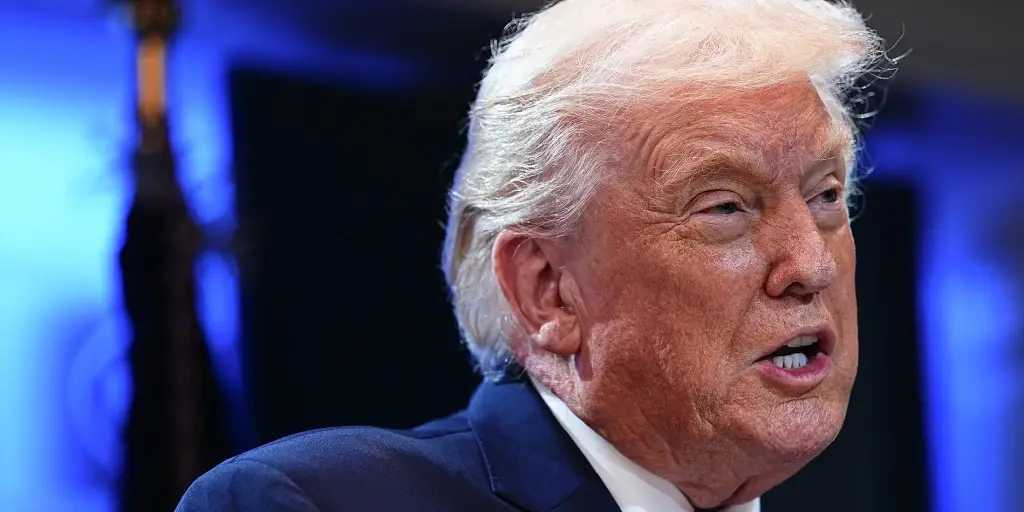
Source: NBC News/Website
New Section 122 Tariffs Make Trade Agreements More Difficult
The 15 tariff level takes the place of the 10 levy that was first planned. This sudden rise has made countries that are trying to make custom bilateral deals uneasy. Nations like the UK and Australia may face unexpected tariff burdens immediately.
The government says that previous agreements will not change the rules for global tariffs. Certain important areas, like minerals, metals, and pharmaceuticals, may get selective exemptions. For international exporters, compliance is made even harder by uneven application.
Business Groups Warn Tariffs Could Weaken Global Economic Growth
People who support trade say that higher tariffs will hurt consumers and make it harder for businesses to trade across borders. The British Chambers of Commerce said that the measures change the way trade is done. European officials responded by thinking about how to move forward with important trade agreements between Europe and the US.
After higher import duties, manufacturers around the world expect costs to go up along supply chains. Economists say that adding tariffs on top of each other could hurt growth and push up prices. Retailers stress the threat to price stability as operational problems grow across the country.
Recommended Article: Trump Warns GOP Rebels After Canada Tariff Vote
Political Reactions Show Strong Differences Over Trade Policies
Supporters say that tariffs protect weak industries and boost the ability of domestic production. Critics say that taxes hurt exporters and make it harder for businesses to compete around the world. Farmers’ groups have said they are happy, but manufacturers have said they are very unhappy overall.
Lawmakers still can’t agree on whether raising tariffs makes the economy safer. Some people think that legal problems show that trade policy gives too much power to the president. Some people think the ruling is an important way to keep the balance of power in the Constitution.
Uncertainty Grows Over Possible Refunds For Unlawful Tariffs
The ruling lets businesses go after refunds for tariffs that were illegally charged in the past. Trump made it clear that he didn’t want to fight over refunds, saying it could take years. More than 200,000 small importers may be able to get some financial help.
Trade groups are getting ready to work together on legal actions to get back wrong payments quickly. Business groups want courts to be clear so that refund processes can run more smoothly. Senators ask Treasury officials for help with their plans for how to handle reimbursements.
Global Partners Seek Clarity As Tariff Landscape Rapidly Shifts
International partners are pushing Washington to set clear tariff rules. Many countries thought that the terms they had already agreed on would stay the same. Changes to policies now make things very uncertain for exporters all over the world.
Diplomats say that not enforcing tariffs consistently hurts trust in trade talks. Some people are worried that these changes could lead to retaliatory actions in major economies. Policymakers want to start talking to each other again to keep business relationships stable as tensions rise.
Broad Economic Impact Expected As Import Costs Increase Nationwide
Industries that rely on foreign goods have to pay more for inputs when tariffs go up. Manufacturers expect lower profit margins and possible job losses across the country. Economists say that these pressures could slow down consumer spending growth a lot.
The government says that tariffs will encourage reshoring and help the economy in the long run by lowering deficits. Analysts say that deficits are still high even after years of aggressive trade actions. Businesses are now waiting for more information so they can change their buying strategies.