


Trump Revives Climate Skepticism Amid Severe Weather Warnings
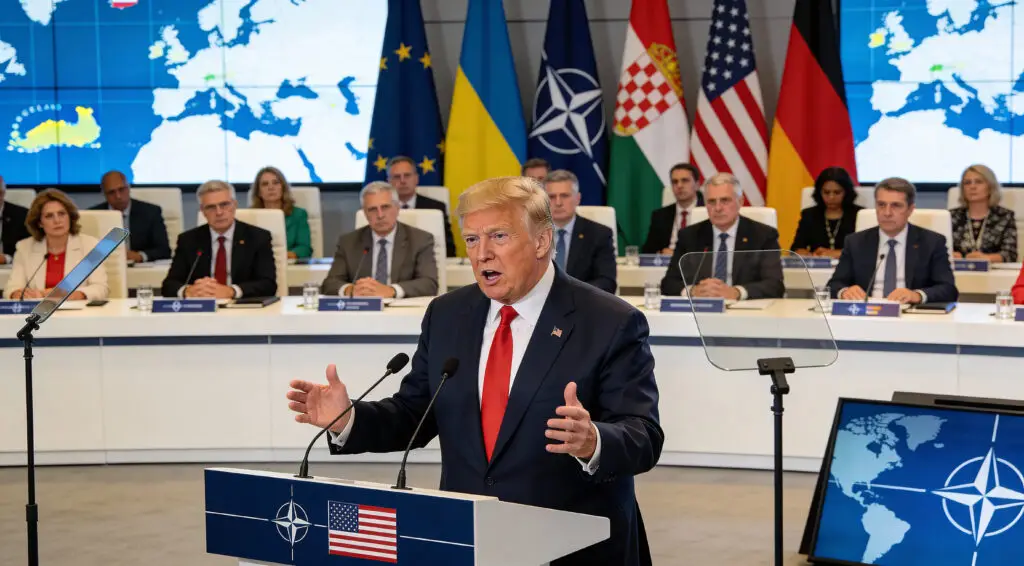
As forecasts warned of a huge winter storm across the United States, Donald Trump made fun of concerns about global warming. Trump used social media to question climate science and point out record-low temperatures. His comments came at a time when weather agencies were warning that conditions were dangerous for millions of people.
Trump said that the cold wave was proof that scientists were wrong when they said that global warming would happen over time. He made fun of climate researchers and environmentalists by using sarcastic language. This message brought back criticism of his long-standing dismissal of climate science.
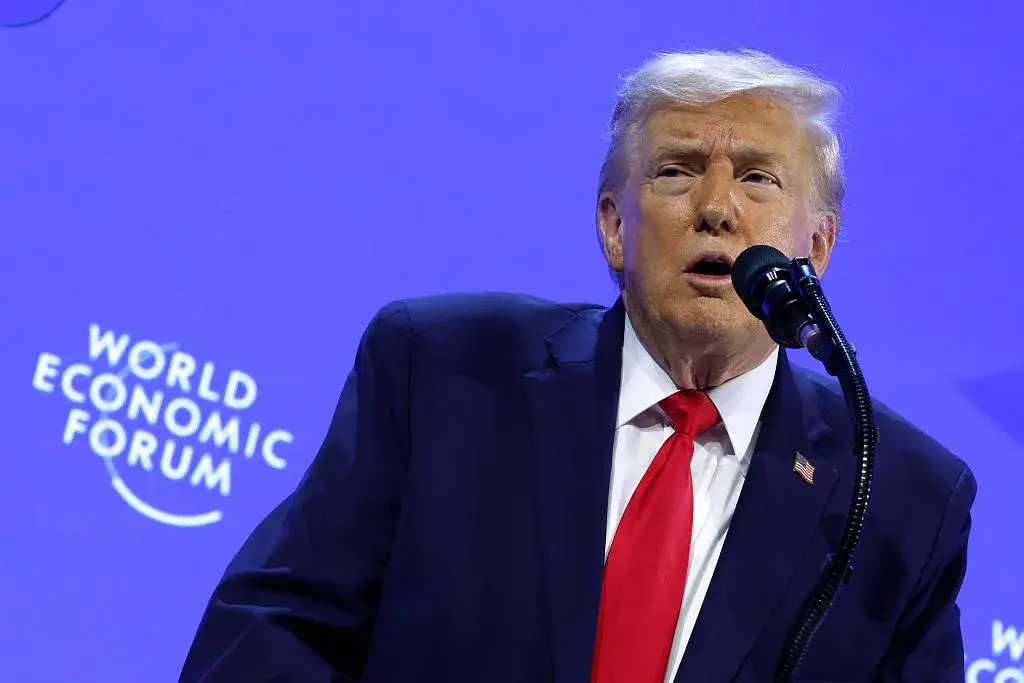
Source: Times Magazine/Website
Winter Storm Is A Threat To A Lot Of The United States
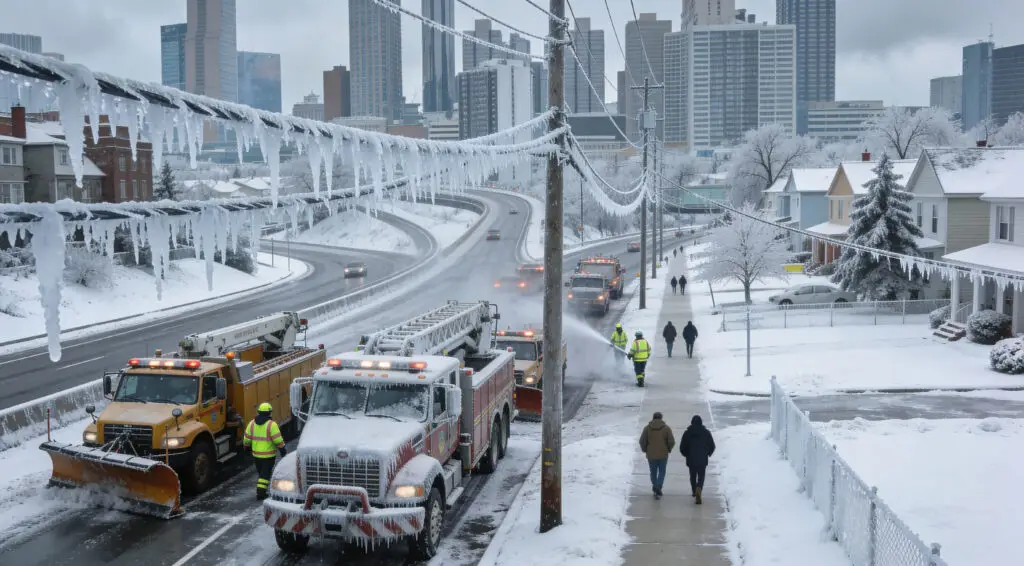
Meteorologists said that a strong winter storm would affect almost 2/3 of the United States. People thought the system would bring very cold weather, a lot of snow, and a lot of ice. About 40 states could be affected by the weather event that is coming.
Officials warned that the storm could cause a lot of damage and leave people without power for a long time. Airports, highways, and other transportation networks got ready for big delays and closings. Emergency services told people to be careful because the temperatures were going to drop dangerously low.
Widespread Disruptions Hit Travel And Infrastructure
Before the storm hit, more than 1,500 flights were delayed or canceled. Dallas, Atlanta, and Oklahoma City are just a few of the major airports that had problems with their operations. As conditions got worse, FlightAware said that more flights were being canceled.
Airlines changed their schedules to keep passengers and crews safe from bad weather. Infrastructure operators said that energy grids and transportation systems would be put under a lot of stress. Utilities got ready for more demand as the weather got colder across the country.
Recommended Article: UK Education Strategy Draws Criticism for Weak Commitments
Millions Placed Under Weather Alerts And Warnings
There were alerts for winter storms or cold weather for about 160 million people. Many areas got warnings for both snow and ice and very cold weather at the same time. Local governments in all affected states put their emergency response plans into action.
Officials in charge of public safety stressed the dangers of hypothermia, frostbite, and unsafe travel conditions. People were told to stay put and make sure they had enough heating supplies. Shelters were set up for people who are vulnerable and at risk of being exposed for a long time.
Trump History Of Rejecting Climate Science Resurfaces
Trump has long called climate change a hoax and said that scientists agree on it for political reasons. He took the US out of the Paris Agreement twice while he was president. These actions were a clear break from efforts to work together on climate change around the world.
His government focused on producing fossil fuels while cutting back on clean energy projects. The phrase “drill baby drill” became a short way to say expand oil and gas extraction. Scientists have always said that this way of doing things was bad for the environment.
Policy Debate Intensifies Between Science And Politics
Trump’s comments brought up the issue of how leaders should talk to each other during climate-related disasters again. Critics say that ignoring climate science makes it harder for people to understand how extreme weather is changing. Supporters say that cold events go against stories about warming.
Scientists stress that climate change does not get rid of cold spells, but instead makes the weather more unpredictable. They say that isolated cold waves do not go against long-term warming trends. During times of crisis, public messages can change how much people trust scientific institutions.
Climate Rhetoric Collides With Escalating Weather Risks
Trump’s comments came at a time when the gap between political speech and environmental reality was getting bigger. As extreme weather events become more common, people pay more attention to how leaders respond. Climate policy is still a very divisive issue in American politics.
As the storm moves forward, people are still focused on safety and recovery efforts. The episode shows how hard it is to get the public to agree with scientific evidence. Weather extremes that keep happening are still shaping the national climate debate.