Starmer Meets Xi Jinping to Signal Diplomatic Reset
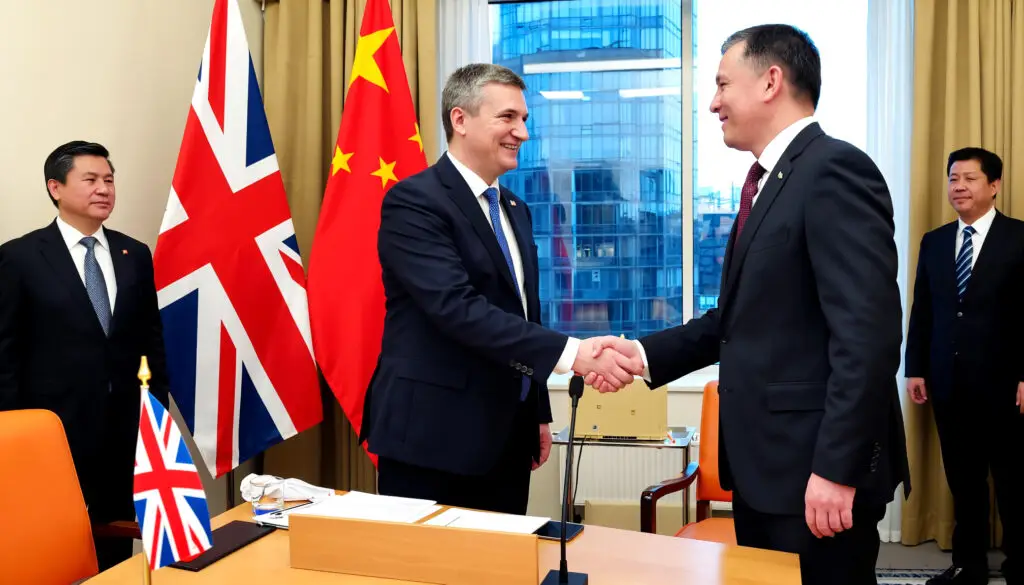
Keir Starmer went to Beijing to meet Xi Jinping and talk about working together on the economy again. The meeting was the 1st time in 8 years that a leader from the UK officially visited. Officials said that the talks were a planned way to improve relations after a long period of diplomatic tension.
Starmer said that to boost growth and national security, Britain needs a complicated relationship with China. He stressed the importance of practical engagement while also acknowledging worries about allegations of spying and human rights violations. The way Labour is doing things shows that they are trying to find a balance between what is good for the economy and what is safe for politics and the country’s reputation around the world.
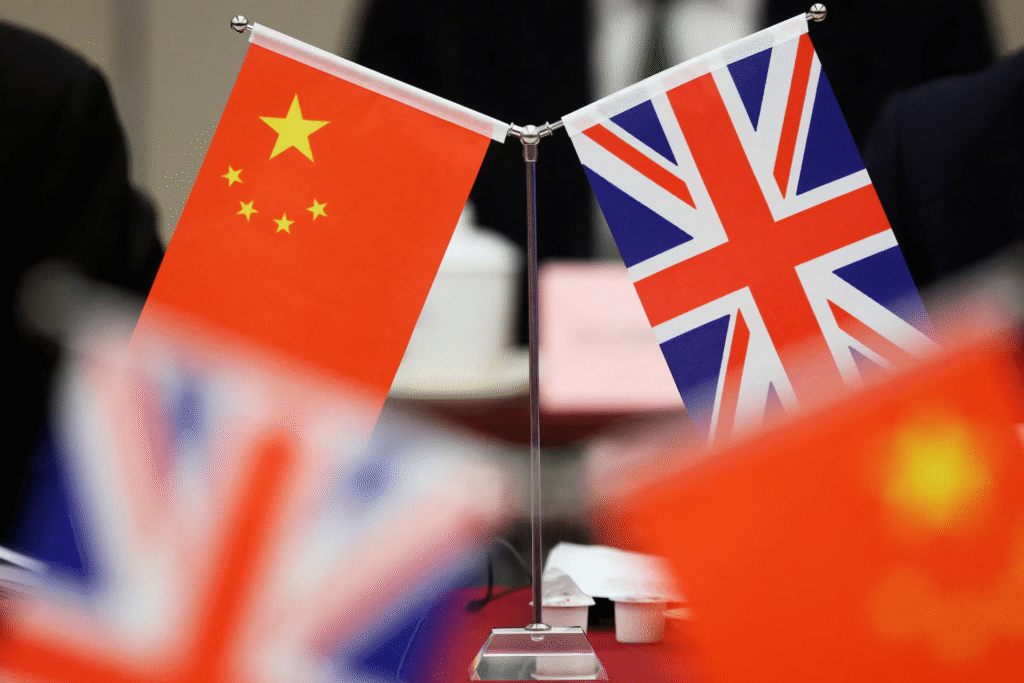
Source: Reuters/Website
High Level Summit Underscores Importance of Engagement
The summit in Beijing lasted about 80 minutes and included official talks and a working lunch. Starmer and Xi met at the Great Hall of the People, where there was a lot of diplomatic interest. The prime minister is also supposed to meet with Premier Li Qiang later in the trip.
Officials from Downing Street said the meeting was helpful and focused on real results for both sides. Trade barriers and regulatory issues were important topics of conversation between both sides when they talked. Officials said that both governments wanted real progress, not just symbolic diplomatic gestures that were made in public.
Economic Cooperation Anchors Renewed Relationship
Starmer’s government, which is focused on growth, has made strengthening economic ties with China a top priority. China is still the 2nd largest economy in the world and an important trading partner for the UK. Starmer has said that engagement is useful even though there have been long-standing political disagreements between governments.
British officials see chances in the finance, life sciences, energy, and advanced manufacturing sectors both at home and abroad. A group of businesspeople is with Starmer, and they are from big companies that want to get more access to Chinese markets. Meetings in Shanghai are intended to translate diplomatic engagement into commercial agreements for firms involved.
Recommended Article: UK Education Strategy Draws Criticism for Weak Commitments
Security and Human Rights Concerns Remain Unresolved
Since Beijing’s political crackdown in Hong Kong in 2019, security concerns have made relations even more difficult. London has publicly spoken out against the prosecution of pro-democracy activists under China’s national security law. The case of media mogul Jimmy Lai is still a sensitive diplomatic issue for both sides.
Recently, British intelligence agencies have warned about possible spying activities involving Chinese government officials. These kinds of warnings have made people in parliament and the public more skeptical about getting more involved with Beijing. Starmer agreed with these worries but said that talking things out is the best way to deal with disagreements over time.
US Relations Shape Britain’s China Calculus
The visit also comes at a time when relations between Britain and the US are tense around the world. President Donald Trump’s trade wars and political rhetoric have upset long-standing alliances around the world recently. These changes make it harder for Britain to figure out how to handle its relationships with major powers at the same time.
Starmer says that working with China doesn’t hurt commitments to current partnerships and alliances abroad. He says that a consistent China policy is better for Britain’s national interest than long-term economic stability. Officials stress the need for independence in making decisions about foreign policy, especially now that the balance of power is changing around the world.
Climate Stability and Migration Discussed Alongside Trade
The talks covered more than just trade; they also talked about climate change, global stability, and migration cooperation, which are all issues that many people care about. Starmer said that working together on climate change is still important, even though the world is in a state of uncertainty right now. Xi emphasized cooperation as necessary when global challenges become increasingly interconnected and complex for states.
China said that working with Britain was a good idea in the face of global economic problems and political instability. Xi said that leaders must make tough decisions that are in the best interests of the country, even if they are risky and face criticism. His comments made it clear that Beijing wants to work with other countries in a practical way, not in a way that is based on ideology.
Reset Success Depends on Sustained Follow Through
Starmer’s visit is an effort to end years of diplomatic deadlock between countries. The reset will only work if the talks lead to long-term results. When a government is under pressure to deliver growth at home and in politics, economic wins are very important.
Experts say that it will take time, consistency, and reliable safety measures to rebuild trust with China. Any reset must carefully balance economic opportunities with values, security, and alliance commitments without making any compromises. Starmer’s outreach to China shows that Britain is cautiously optimistic right now, not that it is making big changes to its strategy.