


Paul McCartney Joins AI Copyright Protest Album
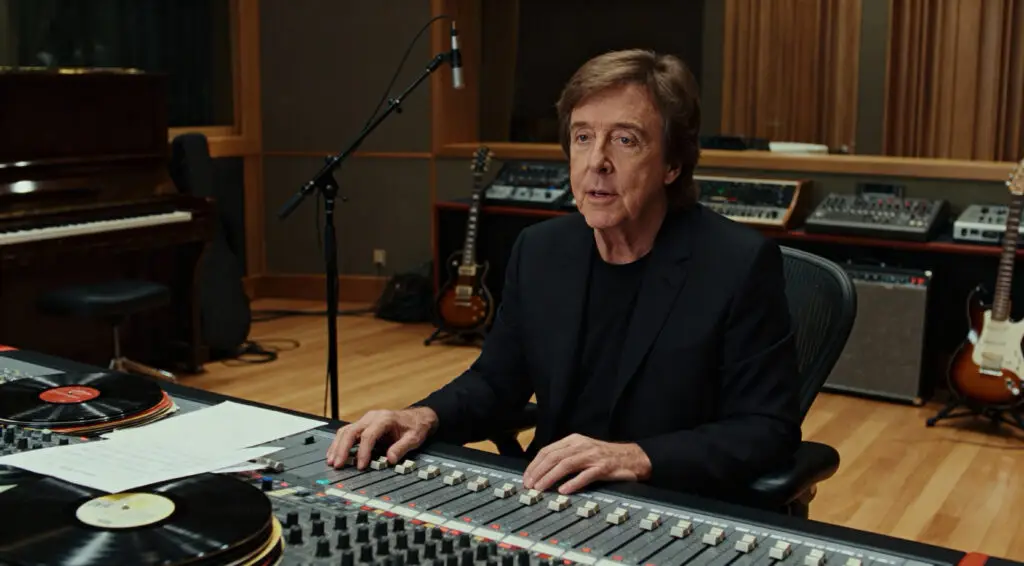
LONDON — Music icon Sir Paul McCartney has thrown his backing to a silent protest record, a project spearheaded by Ed Newton-Rex, the CEO of Fairly Trained and a former executive at AI company Stability AI. The initiative, “Is This What We Want,” seeks to highlight the complexities of copyright in an era dominated by artificial intelligence.
The album, which debuted in February 2025, is a collection of silent recordings. Each track is attributed to a different artist, a statement on the potential for artists’ creations to be “silenced” if copyright rights are eroded to facilitate AI training.
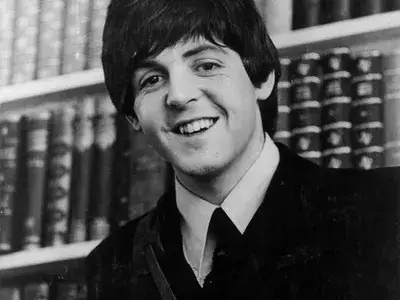
McCartney Adds a Bonus Track of Silence
The ex-Beatle added an additional quiet track to the vinyl version of the record, further boosting the project’s list of notable collaborators. Damon Albarn, Kate Bush, and Hans Zimmer are among those already involved, coming together to champion creative rights in today’s digital landscape.
Organizer Ed Newton-Rex shared his appreciation for McCartney’s contribution, stating, “We’re immensely thankful to Paul McCartney for offering a new (silent) bonus track for the vinyl release, and to all the UK musicians who took part.”
A Message Against AI-Driven Music Theft
The album’s songs, when taken together, provide a potent message.
The British government shouldn’t legalize music theft just to help AI companies.
The album’s proceeds will go to Help Musicians, a foundation dedicated to supporting musicians’ well-being and helping them build sustainable careers.
Newton-Rex explained that the record is a symbolic protest against UK legislation that would strip copyright protections from works used to train AI. Critics argue this might be a way to exploit musicians, filmmakers, and authors.
Recommended Article: Google Unveils $40B Texas Expansion To Boost AI Infrastructure
Newton-Rex’s Break with Stability AI
Prior to launching Fairly Trained, Newton-Rex was at Stability AI, an AI business in London. He headed up the company’s audio branch during his time there. He stepped down in 2023, citing the company’s practice of using copyrighted information to train its AI algorithms without the necessary permissions.
After leaving, he emerged as a leading advocate for ethical AI practices. He consistently pushed enterprises to embrace open data policies and get the necessary licenses from those who have the rights.
Fairly Trained’s Mission for Ethical AI
Fairly Trained has, from the start, taken on the role of a guardian, ensuring that creative data is used responsibly in AI training. The group supports equitable licensing practices and artist approval while creating generative AI systems.
Newton-Rex’s undertaking has garnered significant backing from the industry, especially from artists concerned about their intellectual property being co-opted by commercial AI ventures, sometimes without due attribution or remuneration.
Growing Support Across the Music Industry
The protest record, originally a specialized idea, has rapidly transformed into a worldwide phenomenon. The commercial, featuring heavyweights like McCartney and Zimmer, highlights the music industry’s growing concerns about AI’s influence on ownership, royalties, and the preservation of artistic integrity.
Industry watchers are drawing parallels between the silent album’s innovative approach, which uses complete silence to convey a political point, and John Cage’s 4’33”. This modern reinterpretation, now a digital-age commentary, highlights the silencing of artistic expression.
Cultural and Legal Debate Intensifies
The UK government’s suggested changes to copyright law have sparked a heated discussion among lawmakers, technology companies, and those in creative fields. While AI experts say that using current data to train models is crucial for innovation, artists claim it threatens their income and their moral rights.
McCartney’s participation, as the discussion unfolds, brings worldwide attention to Newton-Rex’s mission. The album’s quietude, oddly enough, is its loudest statement. It’s a stark reminder that without agreement, the very act of creating may be stifled.