



Qatar Warns Gulf Energy Production Could Halt Soon
Saad al-Kaabi warned that oil and gas production in the Gulf could stop within days. He told the Financial Times that prolonged conflict threatens global economic stability. The region remains critical for international shipping and energy supply chains.
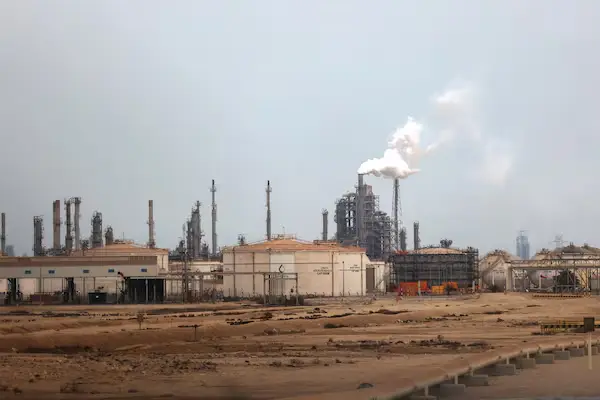
QatarEnergy has already suspended liquefied natural gas production following reports of military strikes. The company declared “force majeure” to pause contractual supply obligations. Kaabi indicated other exporters may take similar action if hostilities persist.
Source: The Globe and Mail – Website
Brent Crude Climbs Above $93 per Barrel
Brent crude rose more than 9%, surpassing $93 per barrel. This marks the highest level since late 2023. Markets reacted sharply to fears of supply disruptions in the Gulf.
Analysts now suggest oil prices could approach $100. Sustained increases would intensify global inflationary pressures. Energy costs directly influence transportation, manufacturing, and consumer goods pricing.
Alarm Grows Over Strait of Hormuz Disruption
Approximately 20% of the world’s oil supply transits the Strait of Hormuz daily. Traffic through the narrow passage has significantly declined as tensions escalated. Any blockage could severely disrupt shipments to major economies.
Countries including China, India, and Japan depend heavily on Gulf crude supplies. Alternative pipeline routes exist but offer limited additional capacity. Prolonged disruption would increase global logistical and pricing pressures.
Recommended Article: Trump Strikes on Iran Raise Fears of Global Inflation Surge
UK and US Face Rising Inflation Risks
Rising oil and gas prices could reverse inflation progress in advanced economies. Analysts warn that extended spikes may slow GDP growth. Energy price increases typically cascade into food and broader consumer costs.
UK fuel prices have already increased by several pence. Diesel prices have reached a 16-month high at pumps. Regulatory authorities are closely monitoring fuel cost movements.
Global Economic Impact Could Intensify
Kaabi cautioned that prolonged conflict could “bring down the economies of the world.” He suggested oil might reach $150 per barrel if disruptions continue. Such levels would significantly strain consumer purchasing power.
Rystad Energy analysts described the situation as a genuine global threat. Short-term outages may limit economic damage, but extended disruptions amplify macroeconomic risks. Storage capacity constraints could eventually halt production entirely.
Governments Consider Releasing Strategic Reserves
Governments may release strategic petroleum reserves if prices remain above $100. Similar measures were implemented following Russia’s invasion of Ukraine. These interventions aim to stabilize supply and moderate price volatility.
However, reserve releases provide only temporary relief during prolonged crises. Restoring stable shipping and production remains crucial for market confidence. Investors are closely tracking conflict duration and diplomatic developments.
Household Energy Costs Likely to Increase
Higher oil prices typically translate into rising household energy bills. Ofgem’s current price cap may delay immediate impacts for UK consumers. Continued disruptions could trigger broader inflationary effects.
Investment analysts view long-term Gulf shutdowns as a severe scenario. Current market signals suggest expectations of limited disruption duration. Nonetheless, each additional day of conflict increases the probability of deeper economic consequences.