


Oil Prices Experience Most Volatile Trading Day In History
After prices shot up toward $120 per barrel early Monday, the global oil markets had their most volatile trading session. The dramatic change came after reports of supply problems in the Gulf region as the conflict quickly got worse. Millions of barrels of crude oil were effectively shut in, and some producers slowed down production or said they couldn’t do it because of force majeure.
Traders acted quickly when they heard that a long-term conflict in the region could block important global energy supply routes. When geopolitical tensions threaten production or transportation infrastructure, oil markets are especially sensitive. Even short-term shutdowns can quickly make supply tighter because global demand is currently higher than 104 million barrels per day.
Source: AP News
Emergency Stockpile Discussions Calm Early Oil Price Surge
During the first price rise, rumors of an emergency meeting of G7 finance ministers helped calm the markets. Reports said that governments might work together to release a huge 300 million barrels from global strategic petroleum reserves. If this happened, it would be the biggest coordinated release of stockpiles ever attempted by major economies.
Even though oil prices stayed much higher than they were before the conflict, the speculation alone helped keep prices down for a short time. Strategic reserves are there for times when geopolitical crises put the security of the world’s energy supply at risk. Because of this, markets quickly reacted to the idea that governments might step in to stabilize supply conditions.
Trump Comments Trigger Sudden Drop In Oil Prices
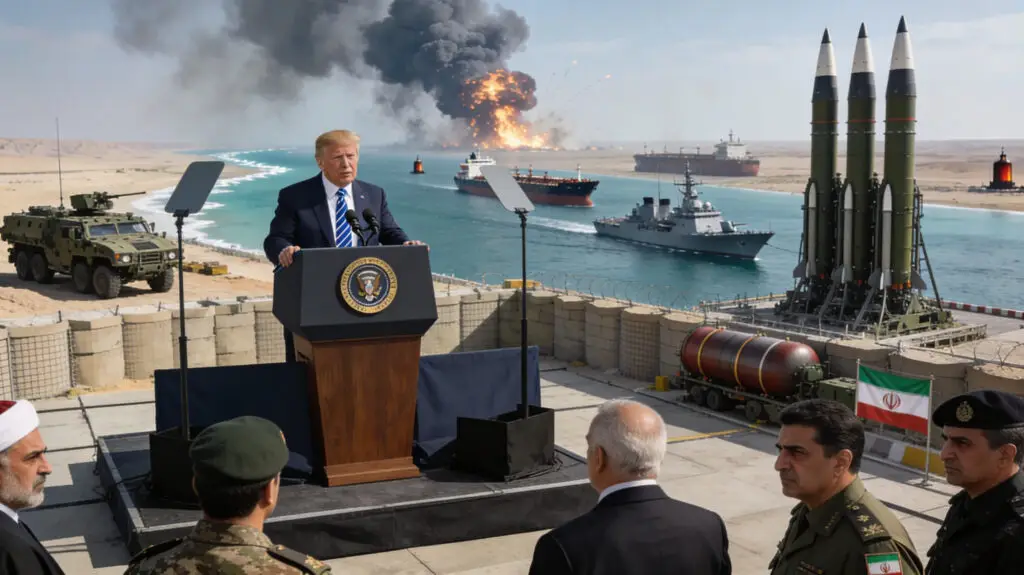
Oil markets changed direction quickly after US President Donald Trump’s comments hinted at a possible end to the long conflict. Traders saw the comments as a sign that diplomatic or economic concerns might stop the military from getting worse. After going up a lot during Monday’s trading session, prices quickly fell below Friday’s closing levels.
After the big drop, oil prices stayed around $90 per barrel when Asian markets opened on Tuesday. These big changes show how sensitive global energy markets are to changes in politics. Just making political statements can quickly change what investors think about future supply problems.
Recommended Article: US Tariff Ruling Leaves Asian Exporters in Limbo
Gulf Production Disruptions Intensify Global Supply Concerns
The rise in prices at first showed worries that oil production in the Gulf could be severely affected. Some countries in the area said that production was slowing down, while others said that supply interruptions were due to force majeure. This legal clause lets producers stop fulfilling their contractual obligations when outside events make it impossible to deliver.
When there are problems with oil production in areas that supply a lot of oil to the world, energy markets react strongly. The Gulf region is still one of the most important places in the world for exporting energy. Any problems there quickly affect shipping routes and supply chains for refineries around the world.
Strategic Petroleum Reserves Could Play Critical Role
A possible release of 300 million barrels from strategic reserves would be an unprecedented move by major economies. The amount is more than any previous emergency releases, even the big 1 in 2022 after Russia invaded Ukraine. But even this huge amount of oil is less than 3 days’ worth of oil use around the world.
There have only been 5 times in history when strategic reserves have been used during major market disruptions. Governments keep these reserves on hand to deal with emergencies that could affect the stability of the global energy supply. However, policymakers must find a balance between stabilizing the market and keeping reserves for crises that may last longer.
Global Energy Supply Chains Face Growing Uncertainty
Even if governments step in, problems with the energy supply chain could last for weeks. Tankers that carry crude oil and liquefied natural gas already have shipping routes that aren’t clear. Some US gas shipments that were supposed to go to Europe are now going to Asian markets instead.
The Strait of Hormuz is still very important because a lot of the world’s oil exports go through it. Military tensions in the area make people worried about maritime security and shipping insurance. Any long-term disruption could make transportation costs go up a lot in energy markets around the world.
Markets Stabilize But Global Energy Risks Remain High
Prices have come down from their highest point, but markets are still very sensitive to new geopolitical events. Investors know that the conflict may have hurt energy infrastructure and supply chains. Even after tensions ease, it could take a long time to fix factories and get shipping back up and running.
Economic pressures also affect political decisions, like when gas prices go up around the world. Energy costs have a big effect on inflation, transportation costs, and the economy as a whole. For now, markets seem calmer, but global energy risks are still high, and there is still a lot of uncertainty about geopolitics.