


Trump Tariff Pause Eases Pressure But Alliance Risks Remain
Sweden was happy about the pause in tariffs, but it said that the political damage across NATO is still not fixed. It meant short-term relief instead of long-term trust between Washington and European security partners today. Officials warned that sudden changes can quickly bring back uncertainty into the decision-making processes of alliances around the world.
Busch said that relations have been very tense in the last few weeks, even though leaders have promised to work together and made public statements. She stressed that Europe stood strong and united in the face of coercive threats, not weak. She said that stance discouraged escalation while also strengthening the idea that everyone is responsible for keeping the transatlantic area stable and safe.
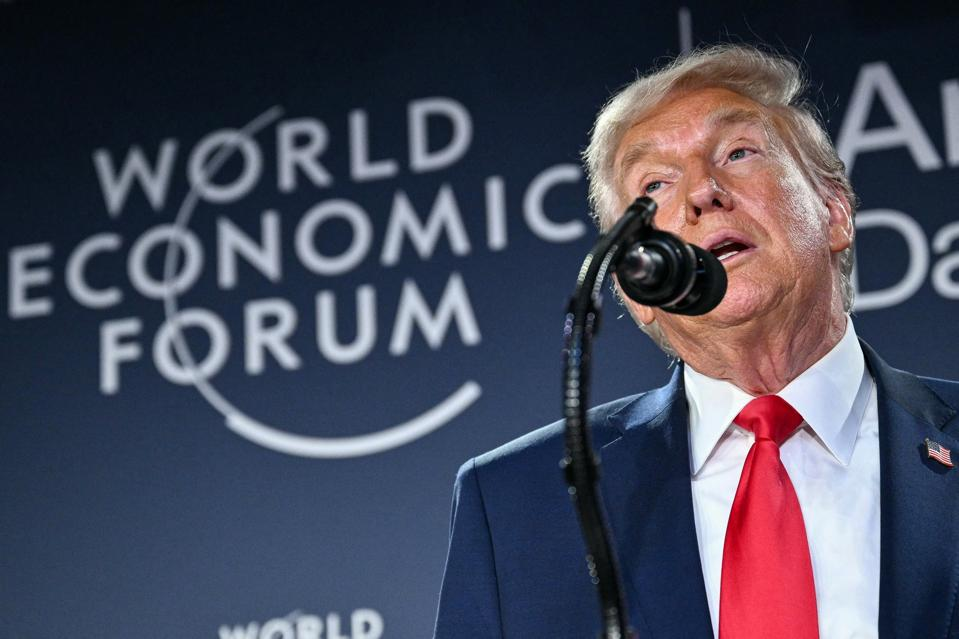
Source: Forbes/Website
Sweden Says Signs of a Crisis Go Beyond Trade Problems
Deputy Prime Minister Busch said that tariffs were just one sign of a bigger problem with strategic stability. She said that mixed messages make things less predictable, which is something that alliances need when geopolitical tensions are high. This kind of volatility makes it harder to work together on long-term collective investments, defense planning, and deterrence posture.
Busch said that alliances need consistency, not just one-time actions, to keep partners’ trust. She said that sudden changes could damage the trust that has been built up over decades of working together and making sacrifices. She said that without clarity, progress today could easily become a strategic liability for NATO cohesion tomorrow.
European Unity Seen As Key Response To US Pressure
Busch praised European governments for sticking together even though Washington was putting a lot of diplomatic pressure on them. She said that coordinated resistance kept things from falling apart and showed that Europe could protect its common interests. That unity she saw sends clear messages against actions that go against alliance norms.
Busch said that firmness improved Europe’s bargaining position without making the situation worse. She said that weakness invites more pressure, but that unity earns respect in high-stakes diplomacy. She said that this approach is still important for NATO as it deals with problems that go beyond trade disputes.
Recommended Article: Greenland Rejects US Takeover Bid Citing NATO and Denmark
Mixed Signals From Washington Fuel Ongoing NATO Anxiety
The second-in-command of Sweden said that the Trump administration hasn’t been clear in its communication with European allies. She said that governments that are responsible for keeping citizens safe have a harder time making plans when threats and concessions are made at the same time. This kind of uncertainty makes NATO more worried about the US’s long-term commitment to the principles of the alliance.
Busch said that allies can’t base their security policy on changing political moods or news reports. She said that reliable promises are more important than short-term tactical compromises. Worries about the stability of alliances will continue in European capitals and institutions until signals stabilize.
Framework Deals Offer Relief But Demand Careful Scrutiny
Busch said that framework agreements that have been announced need to be looked at very carefully before people celebrate a solution. She said that progress on the headlines often hides problems that haven’t been solved yet and can cause political or economic problems later. She said that allies need to think about the effects of announcements as a group instead of as individuals.
She said that being open and talking to people are still important for rebuilding trust after the recent problems. Misunderstandings could quickly cause tensions to flare up again in the alliance if everyone doesn’t understand each other. Sweden should still be cautiously optimistic because there are still strategic questions that need to be answered and risks that need to be managed.
NATO Faces Broader Test Of Trust And Credibility
Busch said that the incident was a test of NATO’s internal trust mechanisms, not just tariffs. She said that alliances depend on being able to predict what will happen, respecting each other, and following the rules that everyone agrees on. Repeated disruptions put those foundations to the test, especially when there is global instability and competition for security.
She said that rebuilding trust takes long-term involvement, not just short-term responses to crises. To keep their promises, allies must take action, make policies, and talk to each other regularly. Only then can NATO rebuild the trust it needs to plan for effective collective defense.
Sweden Calls For Calm Leadership And Strategic Maturity
Busch told Washington to calm down its rhetoric and work with allies to provide steadier leadership. She said that easing tensions is good for both Europe and American strategic interests around the world. She said that stability is a much better way to deter than confrontation based on short-term politics.
Sweden’s message stressed that NATO’s future should be based on maturity, resilience, and working together. Busch said that while he welcomed the breaks in escalation, people still need to be on guard. The alliance she made is still in trouble, but working together is a good way to move forward.