


Conference Opens Amid Rising Global Uncertainty
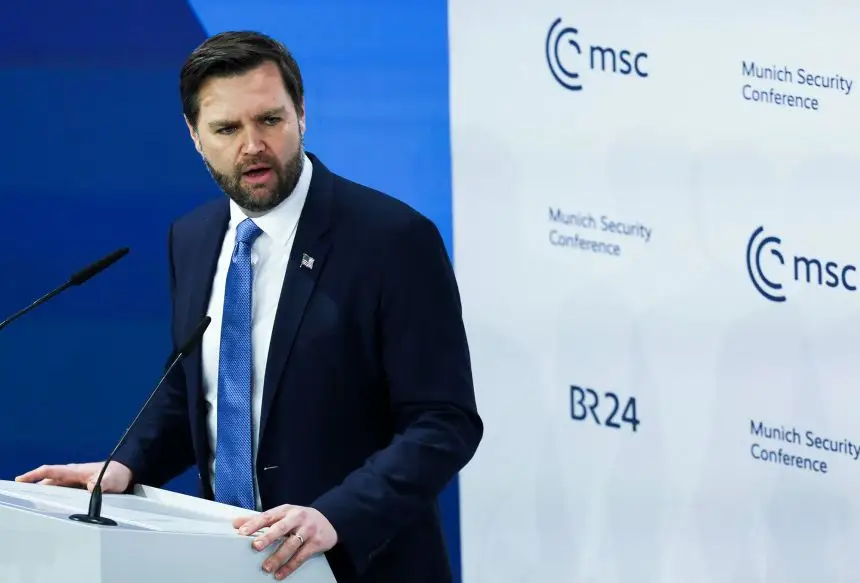
The Munich Security Conference is back from February 13 to 15, and geopolitical tensions are changing old alliances. Organizers say that the current situation is 1 of deep uncertainty that affects both global governance structures and cooperation between the US and Europe. About 65 world leaders and almost 100 defense officials are expected to be there.
The summit is taking place at the Hotel Bayerischer Hof in Munich, and it comes at a time when people are worried about changing power dynamics. Over the course of 3 days of talks, policymakers will talk about defense spending, conflicts, and how strong institutions are. Expectations are still very high.
Source: CNN/Website
Report Blames Trump For Institutional Disruption
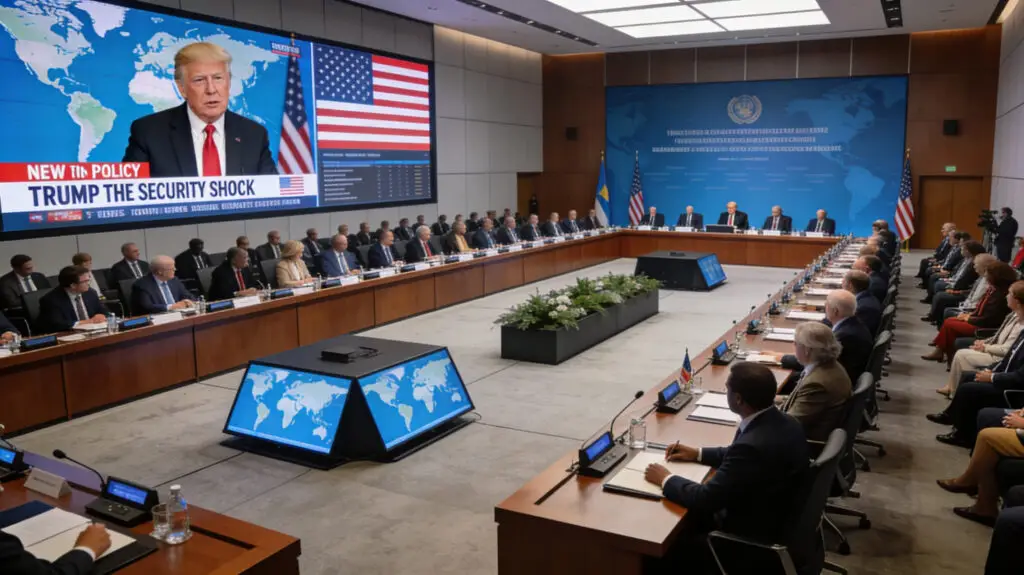
Donald Trump was singled out in the conference’s 2026 security report as a major player in what it called “wrecking-ball politics.” The authors said that challenges to established rules have upset international systems that have been in place for decades. This kind of disruption has led to a discussion about how long alliances will last.
Supporters of Trump’s approach say that breaking up rigid structures can help diplomacy move forward and make sharing the load more fair. Critics say that having leaders who are hard to predict could make collective security arrangements weaker. The split is a sign of bigger ideological problems.
Trust Issues Make Relations Across the Atlantic More Difficult
Wolfgang Ischinger, the chairman of the conference, said that trust between Europe and the US has been low in recent years. He said that the event was like a repair shop that had to fix the trust between strategic partners. A main goal now is to rebuild communication.
Ischinger said that allies used to depend on more than just American military power; they also depended on shared values that guided the international order. That agreement seems less certain now, which makes policy decisions harder. Leaders hope that honest talks will close the gaps.
Recommended Article: Munich Re Sees Global Economy Resilient in 2026 Despite Risks
Calls Grow For A More Self-Reliant Europe
Ischinger said that after years of relying on the US for defense, Europe should respond positively to US calls for greater responsibility. He said that making the military stronger would give countries more strategic freedom while still allowing them to work together in alliances. A lot of experts think this change is long overdue.
As security threats grow and budgets come under more scrutiny in European capitals, the idea has gained traction. Advocates think that stronger regional capacity could make deterrence frameworks more stable. But for it to work, politics must be in line.
High-Level Delegations Show Strategic Stakes
Marco Rubio, the US Secretary of State, will head a big American delegation that is expected to send important policy messages. It is also planned for German Chancellor Friedrich Merz and Ukrainian President Volodymyr Zelenskyy to take part. Their presence shows how important the summit is for strategy.
Gavin Newsom, Gretchen Whitmer, and Alexandria Ocasio-Cortez are some of the well-known US politicians who will also speak. A wide range of representation shows that there is active debate in American politics. People who are watching expect lively debates.
Rising Populism And Institutional Distrust Highlighted
The security report said that people in Western countries are losing faith in democratic institutions. Parties that promise big changes are getting more support from voters who are unhappy with how slowly things are moving in the economy and politics. This trend makes it harder to make decisions about policy.
Authors noted that disruptive leadership styles may garner admiration despite contravening established norms. These trends show that voters are more and more in favor of decisive action than cautious consensus. The change could change what people expect from government.
Global Order Faces Transactional Future
Analysts warn that a shift toward interest-driven diplomacy could favor strong states and leave cooperative frameworks out in the cold. As geopolitical rivalries grow, systems from trade groups to humanitarian networks are already feeling the strain. We don’t know what the long-term effects will be.
Ischinger stressed that changing US foreign policy is changing how countries get along with each other in ways that are still happening. It will soon be clear if the conference can get things moving again toward cooperation. The stakes are much higher than just Munich.