Frederiksen Becomes Key Figure In Greenland Dispute
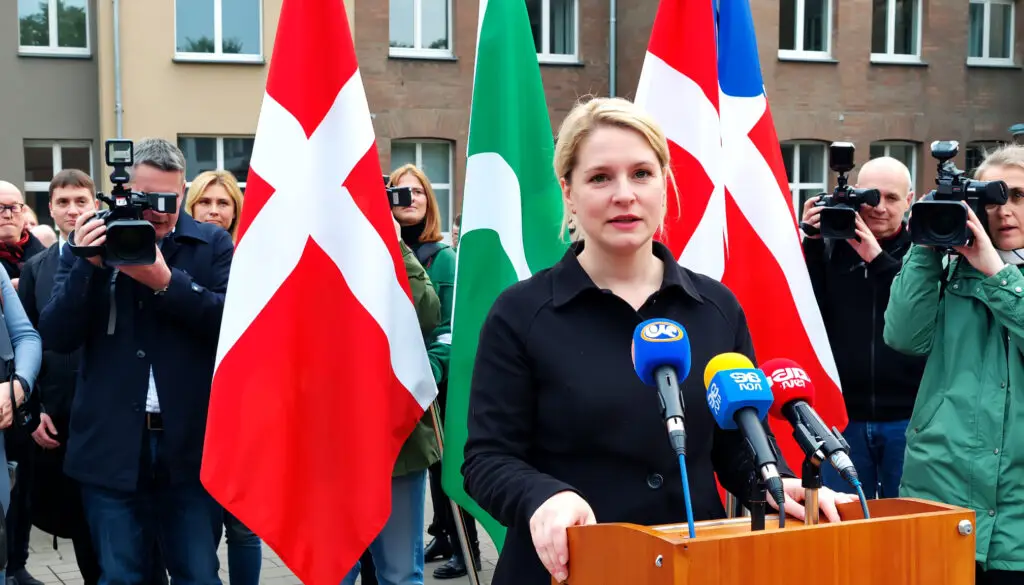
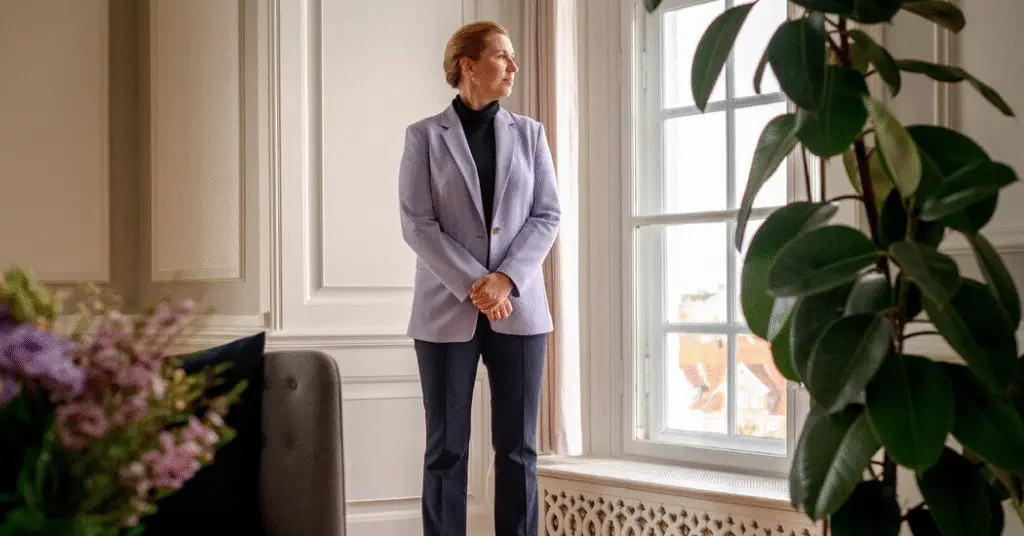
Mette Frederiksen, the Prime Minister of Denmark, is now the most well-known person opposing the United States’ renewed interest in Greenland’s sovereignty. She has consistently framed the issue around self-determination rather than transactional geopolitics. Her stance has elevated Denmark’s role in a dispute with global strategic implications.
Frederiksen has said that only the people of Greenland and their elected leaders should decide the territory’s future. She has rejected arguments that military or economic pressure is acceptable within alliances. This position has resonated across Europe as concerns over coercive diplomacy grow.
Source: The New York Times/Website
Trump’s Renewed Greenland Interest Rekindles Old Tensions
Donald Trump, the President of the United States, has repeatedly revived the idea of purchasing Greenland, citing security and Arctic competition. These remarks reopened diplomatic tensions from his first presidential term. The renewed focus came amid increasing geopolitical competition in polar regions.
Trump’s comments included tariff threats and ambiguous military language that unsettled European capitals. Denmark and allied governments responded quickly and firmly. The episode intensified concerns over transatlantic stability under political pressure.
Sovereignty Message Repeated Without Ambiguity Or Compromise
Frederiksen has consistently stated that Greenland is not for sale under any circumstances. She has emphasized that sovereignty is not negotiable regardless of external pressure. This clarity has shaped Denmark’s diplomatic messaging throughout the dispute.
She has also expressed openness to dialogue on security spending and economic cooperation. However, such discussions must not undermine territorial integrity. The approach seeks engagement while firmly protecting national rights.
Recommended Article: Bolton Warns Trump Greenland Rhetoric Hurts US Credibility
Visit To Greenland Shows Support For Local Leaders
Frederiksen’s recent visit to Greenland demonstrated political alignment between Copenhagen and Nuuk. She met with Prime Minister Jens Frederik Nielsen to reaffirm shared positions. The visit had drawn international attention weeks in advance.
Her presence in Nuuk signaled unity and sought to ease rising tensions. The trip reinforced Greenland’s status as a self-governing part of the Danish kingdom. It also countered narratives suggesting Greenland was diplomatically isolated.
Europe Stands Together Against Tariff And Security Threats
European leaders issued coordinated warnings against potential tariff threats linked to the Greenland dispute. They cautioned that such measures could damage long-standing transatlantic relationships. The response reflected broader concern over economic coercion tactics.
Frederiksen stated that Europe would not accept blackmail over core values. Her language reflected collective resolve rather than unilateral resistance. The episode highlighted Europe’s growing willingness to speak with a unified voice.
Long History Of Clashes Shapes Frederiksen’s Leadership Style
Frederiksen’s confrontations with Trump date back to 2019, shortly after she took office. At the time, she described the idea of buying Greenland as absurd. Trump canceled a planned visit to Copenhagen following those remarks.
Since then, Frederiksen has shown readiness to publicly challenge powerful figures. This trait has contributed to her reputation as a firm political leader. It reflects a leadership style shaped by early activism and political confrontation.
Balancing Firm Resistance With Alliance Preservation
Despite disagreements, Frederiksen continues to stress the importance of strong transatlantic alliances. She frequently acknowledges the United States’ historical role in European security. This framing aims to prevent escalation into a lasting diplomatic rupture.
Her objective remains de-escalation rather than confrontation. She seeks to uphold NATO cohesion by separating principles from partnerships. This balance defines Denmark’s strategy amid rapidly shifting global power dynamics.