


Kyoto University Shows Off an AI Monk Made to Help Buddhists
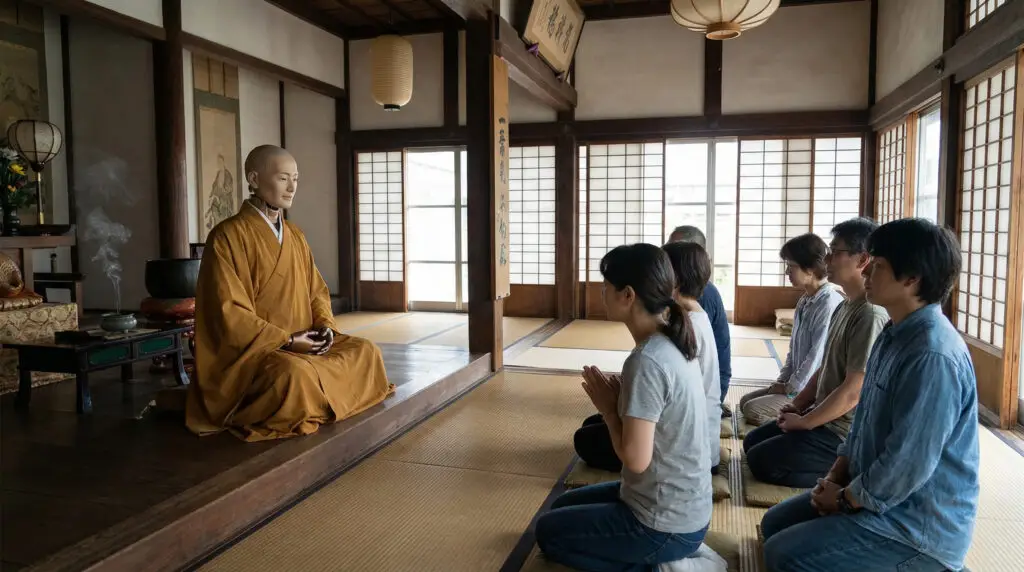
Kyoto University showed off Buddharoid at Shoren in Temple, which was a huge step forward for Japan. This AI-powered robot monk was made by developers to help solve problems that traditional religious institutions all over the country are having.
The robot has been trained to answer Dharma questions using a lot of Buddhist texts and structured interpretive knowledge. The people who made it see it as a mix of preserving culture and making technology better.
Source: Euronews.com
Buddharoid Uses Advanced Systems to Deliver Accurate Scriptural Answers
The robot works with an architecture called BuddhaBot Plus, which builds on existing generative language technology. This system lets Buddharoid answer truthfully by using reliable doctrinal principles from real texts.
Its answers can be about personal feelings or more complicated problems that have to do with morals or society. Developers stress that the system stays true to its teachings while also giving easy-to-understand modern advice.
Physical Movement Enhances the Robot Monk’s Sense of Spiritual Presence
Unitree Robotics in China came up with the robotics technology that Buddharoid uses. This integration lets the robot move slowly and carefully, like a monk would when walking.
These physical actions help keep things calm and meditative during interactions. The design seeks to emulate the nuanced gestures characteristic of disciplined spiritual practice.
Recommended Article: Japan Moves to Back Overseas Economic Security Projects
Religious Gestures Contribute to Realistic Ritual Participation and Interaction
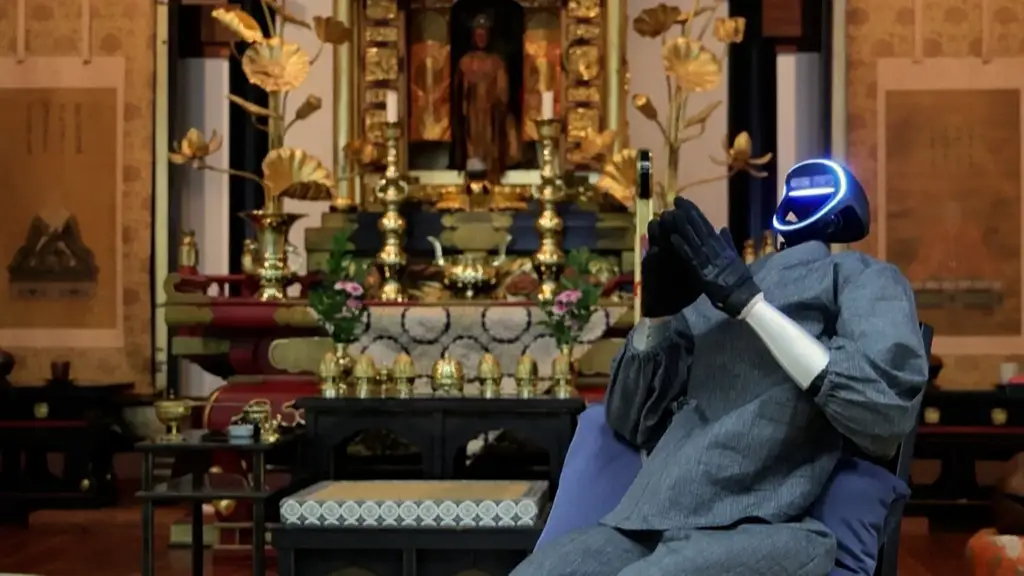
The robot can bow, prostrate itself, and put its palms in the right place for chanting. These gestures are very similar to important devotional actions that are done in Buddhist ceremonies.
During live demonstrations, people saw the robot stay calm and follow the rules. Designers think that these features make people feel more emotionally involved and give them a sense of presence.
Launch Demonstration Highlights Buddharoid’s Interpretive and Supportive Abilities
Professor Seiji Kumagai asked Buddharoid how to handle relationships with other people at the launch event. The robot gave advice that made people think and helped them find emotional balance in their hearts.
Researchers saw this answer as proof that the system could give personalized spiritual advice. The demonstration made people more sure that Buddharoid could help communities find easy-to-understand advice.
Project Addresses Declining Temples in Japan’s Demographic Challenges
Japan’s population is getting older quickly, and younger people are moving to cities faster than ever. These changes have put a lot of stress on Buddhist organizations and left many temples without enough help.
Research indicates that approximately 1/3 of current temples may experience abandonment by the year 2040. Buddharoid is being marketed as a possible way to keep religious presence alive even as the number of monks decreases.
Researchers View the Robot Monk as a Paradigm Shift for Buddhism’s Future
Professor Kumagai said that Buddharoid is part of a new way to protect Buddhist practice. He stressed that having a physical form makes emotional connections stronger than just using digital interfaces.
Researchers think that mixing tradition with technology might help future generations stay connected. They say that Buddharoid is not a replacement but a careful reinforcement for communities that need help.