IMF Warns China’s Export Led Model Faces Increasing Structural Risks
Officials from the International Monetary Fund pointed out weaknesses in China’s current model. Relying too much on outside markets makes you more vulnerable to problems around the world. Trade problems make bad things that could happen much worse.
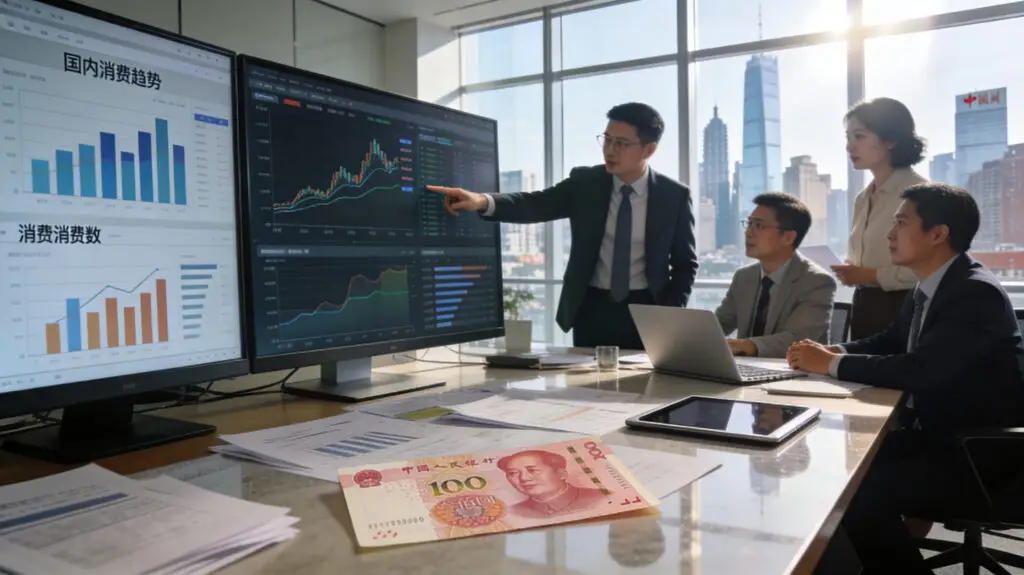
Analysts say that weakness at home makes the economy less stable. Household spending is still low in many areas. This limits the growth composition even though the headline performance is steady.
Source: Reuters/Website
Weak Consumer Confidence Limits China’s Ability To Boost Domestic Demand
The long slowdown in China’s real estate market has a big effect on people’s feelings in general. When home values go down, people think their wealth is going down. Families are less likely to spend more on things they do not need.
Limited social safety programs make people feel less safe with their money. Uncertainty in the job market makes people even less sure of themselves. Instead of increasing consumption, these pressures raise savings rates.
IMF Cites External Imbalances Creating Global Spillover Concerns Today
China’s big current account surpluses have a big effect on how trade works around the world. Heavy export strategies put pressure on the manufacturing sectors of economies that are competing with each other. Policymakers all over the world are keeping a close eye on the resulting competitive distortions.
Long-lasting imbalances could make geopolitical tensions worse. Countries have a hard time dealing with sudden increases in cheap goods. Under these conditions, domestic industries have a hard time keeping jobs.
Recommended Article: Japan Moves to Back Overseas Economic Security Projects
IMF Suggests Big Policy Changes To Boost China’s Demand Base
Officials want to make social protections for families stronger. Stronger safety nets make people more sure about spending. Lower precautionary savings boost the growth of consumption-driven economies.
Fiscal measures could effectively boost domestic demand. Structural reforms that deal with property problems are still very important. Long-term economic stability is helped by coordinated implementation.
Property Market Weakness Continues Dragging Down Overall Economic Momentum
Real estate problems go beyond drops in construction. Related industries are seeing less activity across their supply chains. Less investment makes connections between different parts of the economy weaker.
After stricter rules, homebuyers are still unsure. People in cities are less likely to spend money because the economy is recovering slowly. These conditions make it even more important to have targeted stabilization policies.
IMF Projects Slower Growth Signaling Urgent Need For Economic Rebalance
During the year 2025, China’s economy grew by 5%. But estimates say that next year will see a 4.5% growth. Analysts interpret decline as sign of structural constraints.
For long-term strength, you need to have a variety of growth sources. Relying too much on investment and demand from outside sources makes you more vulnerable in the future. Models that focus on consumption offer better chances for equilibrium.
Shift Toward Consumer Driven Economy Seen As Critical For China’s Future
Economists stress the need to realign the composition of growth in a meaningful way. When people in a country buy things, it makes them more resilient to shocks from outside. Balanced structures help long-term development paths.
Changes to policies could make the economy better for everyone in the country. Stronger confidence in households leads to bigger gains in productivity. The IMF says that reforms now will affect China’s long-term economic growth.