



Effectiveness Of PrEP And Persistent Access Gaps
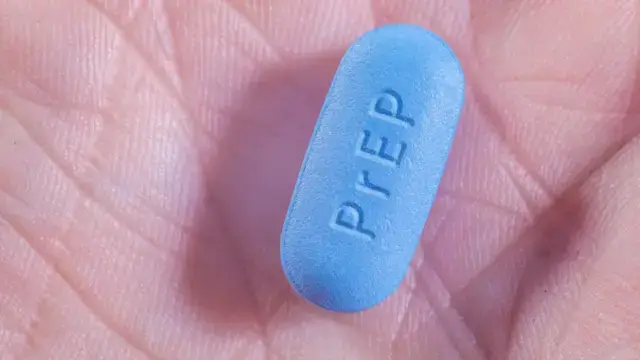
PrEP, a medicine that prevents HIV, is still very effective, but too many Americans who could use it still can’t get it. But stigma, billing mistakes, and a lack of provider awareness are still keeping it from being used more widely across the country. Experts in public health say that not using routine preventive treatment enough leads to more infections that could have been avoided.
When taken as directed, PrEP consistently lowers the risk of getting HIV, according to clinical studies. Even though the benefits are clear, uptake is still uneven across regions, populations, and healthcare settings. This disconnect shows that education policy and delivery aren’t working, not that science is unsure.
Source: BBC/Website
Stigma And Misinformation Still Shape Patient Decisions
Many patients don’t want to talk to their doctors about PrEP because of the social stigma that surrounds HIV prevention. Misunderstandings about PrEP users unfairly cause shame, fear, and silence in communities that are already vulnerable. These attitudes remain entrenched despite decades of advancements in HIV awareness and the normalization of treatment.
Community advocates stress that open conversations make prevention a normal part of healthcare instead of a moral judgment. By framing PrEP as responsible proactive health management, education campaigns can help reduce stigma. Building trust is still important for getting people who are hesitant to get involved.
Billing Errors And Insurance Barriers Limit Uptake
Patients who are otherwise qualified for PrEP often have to wait longer or be denied access because of complicated insurance processes. Billing errors, confusion over coverage, and problems getting prior authorization make people less likely to keep getting treatment. Patients often give up after running into the same administrative problems over and over again and having to pay for things they didn’t expect.
Making reimbursement paths easier could greatly raise the rates of starting and sticking with treatment across the country. Policymakers and insurance companies are very important for making healthcare systems work better together. Streamlined coverage helps make sure that everyone has equal access, no matter how much money they make or whether they work.
Recommended Article: WHO Opens Cyprus Office to Boost Regional Health Security
Provider Awareness And Training Remain Uneven
Many doctors and nurses don’t know the most up-to-date guidelines for who can get PrEP and how to write prescriptions for it. Some providers don’t think patients are at risk enough or don’t want to start conversations about prevention. These gaps make it harder to refer people, especially in rural and primary care settings.
The Centers for Disease Control and Prevention says that millions of people could benefit from PrEP, but only a small number of them get prescriptions. Continuing medical education can help healthcare workers feel more confident and challenge old ideas. More training directly leads to more patients being able to get care.
Structural Inequities Affect High Risk Communities
PrEP underuse has a bigger impact on groups that are already at a disadvantage, such as young people of color and low-income people. Structural inequalities make it harder to get healthcare, transportation, and keep up relationships with providers. These things make the risk of HIV even higher in communities that are already having a hard time.
Outreach programs that are focused on specific groups can help fill in the gaps by going to where patients live, work, and socialize. Community-based clinics often do well when they offer prevention services that are culturally appropriate. Strategies that focus on equity are still important for closing gaps that keep happening.
Media Outreach And Patient Education Matter
Public discussions in the media help patients understand the benefits of PrEP and how to use healthcare systems effectively. Educational segments make prevention less of a mystery and encourage people to talk to trusted doctors about it. Patients can speak up for the right care when they have access to information.
Clear messaging must use simple language to talk about safety, eligibility, and long-term use. Patients are more likely to get involved earlier when they see PrEP as a way to prevent disease rather than a way to treat it. Media partnerships help clinical efforts by making the public more aware of what is going on.
Bridging The Divide Between Science And Practice
Experts concur that the science of PrEP is established; however, failures in implementation continue within healthcare systems. To close gaps, providers, insurers, policymakers, and communities all need to work together. Each stakeholder has an impact on whether prevention gets to the people who need it the most.
Making it easier to get to could cut down on new HIV infections by a huge amount in just a few years, not decades. PrEP is a unique chance to show that prevention can be both affordable and scalable. The urgent challenge ahead is to align practice with evidence.