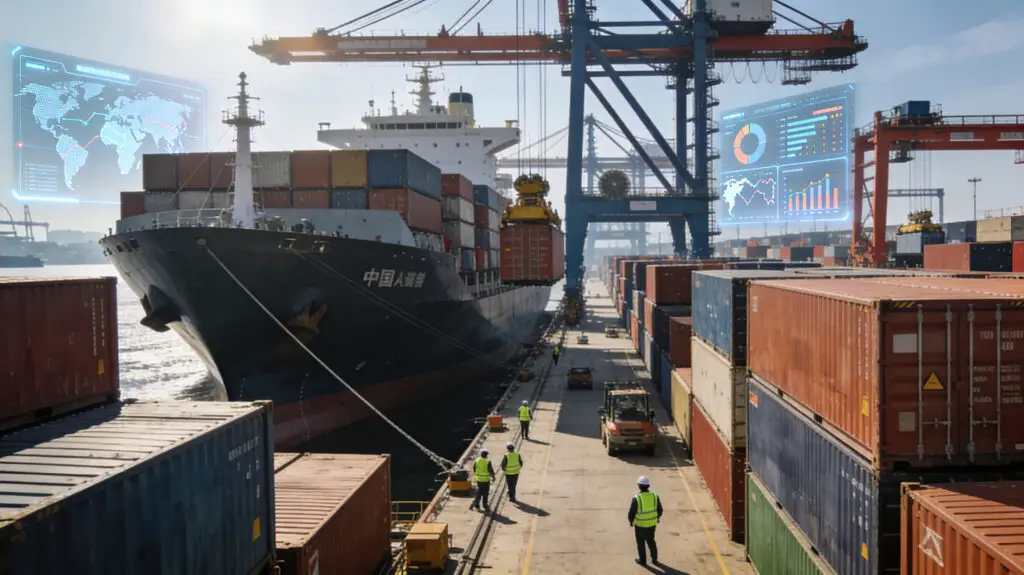



Middle East Conflict Creates Economic Concerns for Philippines
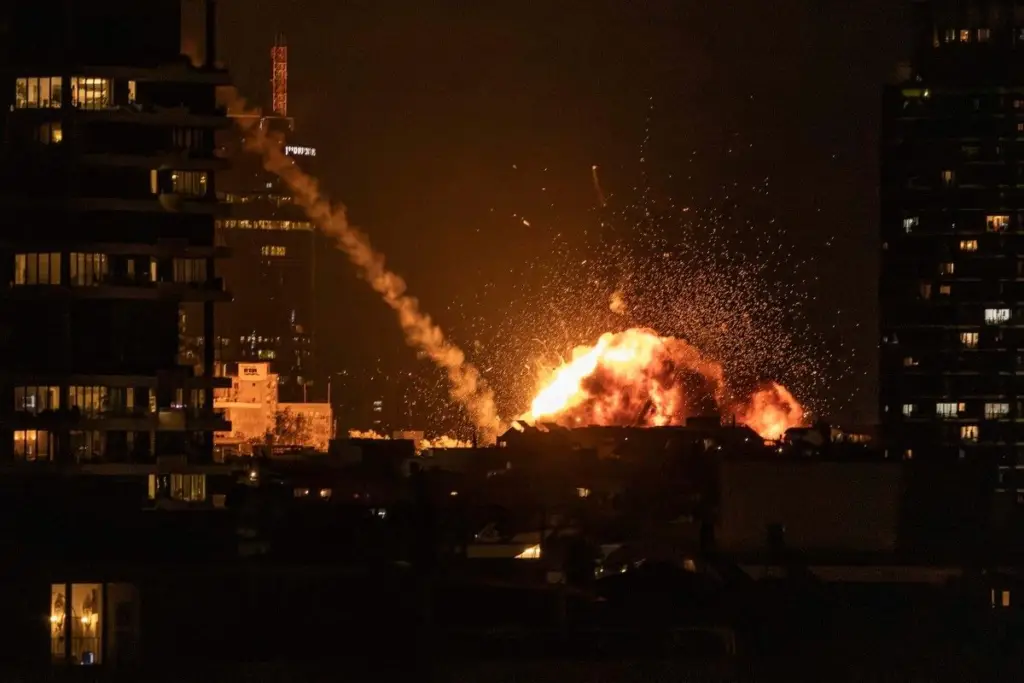
Experts say that the growing conflict in the Middle East could pose significant economic risks for the Philippines. The region remains critically important for millions of Filipinos working overseas.
Analysts warn that rising tensions in the Gulf may directly affect Filipino households. External economic shocks can quickly influence domestic consumption and overall economic stability.
Source: Philstar.com
Overseas Workers Form Backbone of Philippine Economy
The Middle East remains the top destination for Filipino workers abroad. According to government data, more than half of deployed workers are based in the region.
In 2025, over 1 million land-based Filipino workers were employed in Middle Eastern countries. This makes the region home to the largest concentration of overseas Filipinos.
Remittances Support Millions of Filipino Families
Remittances from overseas workers remain a key pillar of the Philippine economy. Funds sent home help sustain household spending and support domestic economic activity.
A significant share of remittances originates from the Middle East. These financial flows help millions of Filipino families cover daily expenses and essential needs.
Recommended Article: Trump Strikes on Iran Raise Fears of Global Inflation Surge
Conflict Could Threaten Jobs and Remittance Flows
Economists caution that a prolonged conflict in the Gulf could weaken regional labor markets. Economic instability may lead to job losses among overseas Filipino workers.
Such disruptions could reduce remittance inflows into the Philippine economy. Lower remittance levels would directly affect household consumption and national growth.
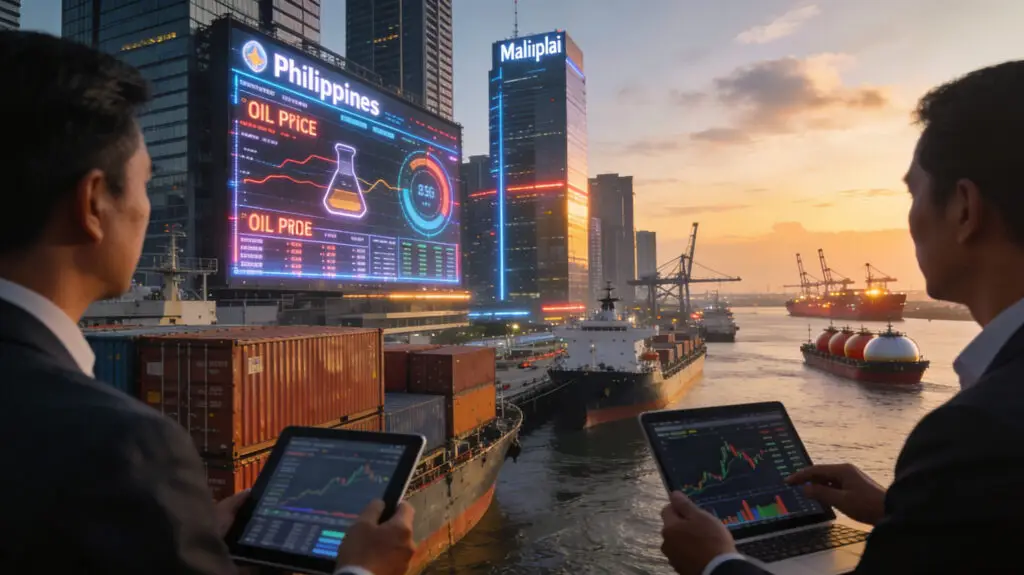
Oil Price Volatility Adds Economic Pressure
Escalating tensions in the region have already pushed global oil prices higher. Rising energy costs typically increase inflationary pressures for oil-importing countries.
The Philippines relies heavily on imported fuel supplies. As oil prices rise, transportation costs and consumer prices tend to increase as well.
Government Keeping an Eye on Filipino Workers
The Philippine government is closely monitoring developments affecting overseas workers in the Middle East. Officials say contingency plans are in place if the situation worsens.
Authorities confirmed that some Filipinos abroad have requested assistance for possible repatriation. However, there is currently no directive for large-scale evacuation.
Remittances Remain Important to National Economy
Remittances account for a substantial portion of the Philippines’ gross domestic product. Money sent by overseas workers helps sustain domestic demand.
Although the remittance share of GDP has gradually declined in recent years, it remains vital. Analysts warn that external shocks could significantly disrupt these critical financial flows.