


Lawmakers Debate Proposal To Postpone Guernsey’s New GST Plan
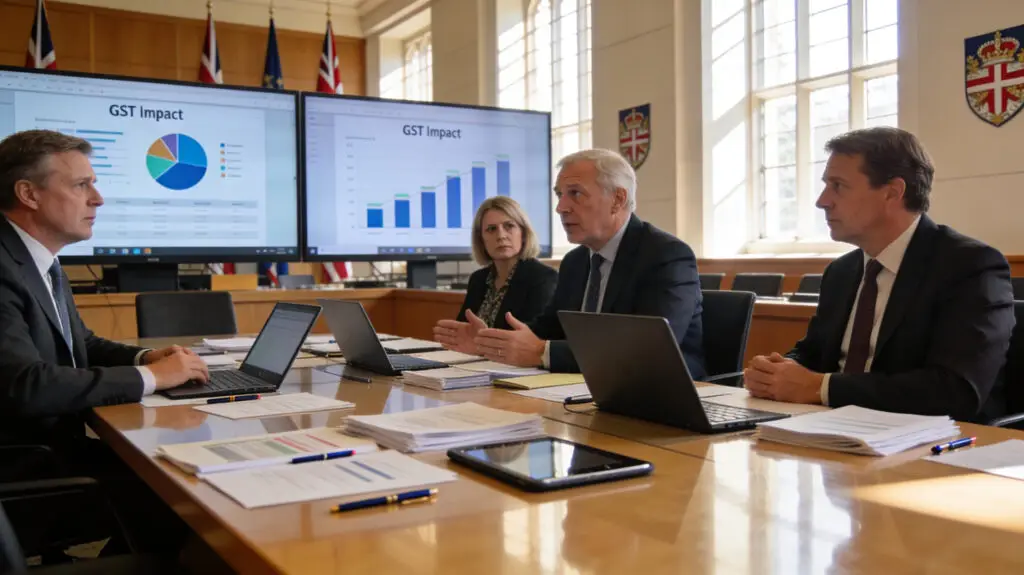
Guernsey deputies are preparing to vote on whether to delay decisions regarding the proposed goods and services tax. The motion comes ahead of a separate vote that could halt the GST process entirely. Intense debate over fiscal sustainability and public opinion has fueled renewed scrutiny.
Deputy Jayne Ozanne is expected to submit a request to defer the decision as concerns over long-term tax reform intensify. The outcome may determine whether Guernsey proceeds with GST or explores alternative revenue strategies.

Source: Guernsey Press/Website
Campaigners Claim Deficit Can Be Addressed Without GST
Opponents argue that the island has alternative methods to manage projected budget deficits. Some groups suggest selling state-owned assets or optimizing public property usage to generate funds. They believe such measures could reduce reliance on consumption taxes.
Critics also warn that introducing GST could raise living costs during economic uncertainty. They contend that rapid tax reform may disproportionately affect vulnerable households. Their focus remains on maintaining essential services without deepening financial strain.
Supporters Emphasize Need For Broader Revenue Base
Advocates of reform state that Guernsey operates with one of the narrowest tax bases globally. They argue that GST is essential for long-term fiscal stability. Actuary Martyn Dorey has highlighted structural imbalances requiring comprehensive policy adjustments.
Proponents maintain that the proposed framework includes income tax adjustments and allowances to preserve fairness. They assert that many lower- and middle-income households could benefit under the revised system. Ensuring sustainable public service funding remains their primary objective.
Recommended Article: UK Seeks Best Trade Terms As US Tariffs Rise Under Trump Plan
Businesses Express Concern Over Compliance Costs
Several business owners have voiced concerns about administrative complexity under GST. Smaller enterprises worry that compliance requirements may strain limited staffing resources. Transitioning accounting systems could create operational disruptions.
Retailers also caution about potential inflationary effects if GST costs are passed to consumers. Higher prices may reduce purchasing activity, particularly in competitive markets. Businesses emphasize that existing margins leave limited flexibility for absorbing new expenses.
Charities Warn Of Financial Pressure On Social Services
Third-sector organizations fear that GST implementation would increase operational costs. Charity leaders report concern about rising expenses for essential supplies and services. They argue that added financial burdens could limit community support capacity.
Some directors believe the proposal conflicts with broader efforts to strengthen social safety nets. Increased fiscal pressure may weaken service delivery for vulnerable populations. Many charities are urging deputies to reconsider the timing of the reform.
Political Positions Shift As Deputies Reevaluate Commitments
Several recently elected deputies campaigned against the previously agreed GST framework. Others supported revisions aimed at improving equity within the tax structure. These shifts have prompted renewed examination of the original proposal.
A tax review subcommittee is exploring whether enhanced corporate contributions could offset the need for GST. Economic modeling will influence potential hybrid approaches. Political divisions continue to shape uncertainty surrounding the reform’s trajectory.
Upcoming Votes Will Shape Guernsey’s Fiscal Future
Deputies McKenna and Vermeulen have proposed removing GST from the agenda for the current term. Their motion would suspend progress toward the planned 2028 implementation. Supporters argue that this pause would allow broader economic reassessment.
Future debates will determine whether Guernsey prioritizes corporate taxation, consumption taxes, or a blended framework. Each option carries trade-offs regarding revenue stability and affordability. Lawmakers face increasing pressure to establish a sustainable long-term fiscal direction.