
Greece Takes Lead In AI Education Integration
Greece stands out as one of the pioneering nations in Europe to integrate artificial intelligence into its public education system. This week, secondary school educators at 20 pilot schools started their training, using a modified version of ChatGPT designed specifically for academic applications.
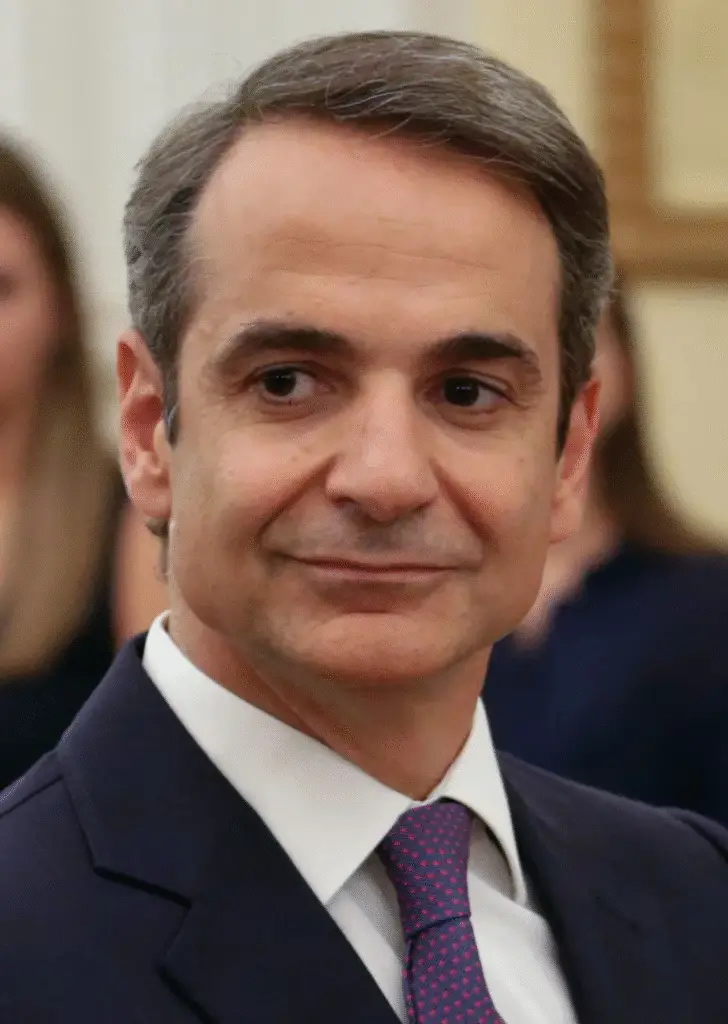
This project is a collaboration between the Greek government and OpenAI, reflecting Prime Minister Kyriakos Mitsotakis’ goal of making Greece a tech center for the area. The initiative is slated to roll out across the country in early 2026, according to officials.
Education Minister Emphasizes Need For Digital Adaptation
Education Minister Sofia Zacharaki characterized AI as “an inevitable part of learning,” emphasizing the need for responsible use. She encouraged teachers to use technology as a helpful tool for creating lesson plans, providing individualized support, and keeping students interested.
Before kids get their hands on the chatbot, instructors will get a chance to learn the ropes through workshops. These sessions are part of the pilot program, and they’ll be in place before pupils are given supervised access in the spring. The government’s strategy seems to echo a rising sentiment: “If you can’t outsmart the machine, join it.”
OpenAI Partnership Aims For Responsible Implementation
Chris Lehane, OpenAI’s head of global relations, described Greece’s pledge as a “new educational chapter” in the appropriate integration of AI. The organization is committed to maintaining the highest standards for safe and effective classroom use.
ChatGPT Edu, the school-specific iteration, is designed to support teachers, not supplant them. Officials are adamant that safeguarding student data and ensuring its ethical application are paramount throughout the implementation process.
Recommended Article: Google Chief Warns No Company Is Safe If AI Bubble Collapses
Teachers Voice Anxiety Over AI’s Classroom Role
Even with the government’s reassurances, teachers and their unions voiced significant worries about the swift implementation. The Federation of Secondary School Teachers, with a membership of 85,000, issued a warning: artificial intelligence may jeopardize employment and diminish the value of human connection.
Union leader Dimitris Aktypis expressed concern that, without proper oversight, classrooms would eventually be devoid of instructors. He noted that many educators are apprehensive about the potential for technology to replace them. Some contend that AI might exacerbate the existing disparities between metropolitan schools with ample resources and rural schools that struggle financially.
Students And Parents Raise Ethical And Emotional Concerns
Students involved in the Athens demonstrations expressed feeling swamped by the increasing use of technology in their schooling. Seventeen-year-old Aristidis Tolos saw AI as “a machine without a soul,” and he believed it just increased the stress of school.
Parents voiced concerns that AI would stifle creativity and critical thinking, perhaps transforming schools into places where algorithms, not compassion and education, call the shots. Many people called for a greater discussion before the country expanded.
Critics Warn Of Widening Digital Divide And Infrastructure Gaps
Greece’s education system continues to face challenges due to its infrastructure. Dimitris Panayiotokopoulos, a retired headmaster, pointed out a significant issue: some schools are still without sufficient heating and power. Despite this, they’re now being asked to use AI systems.
He contended that failing to invest in infrastructure and essential technologies might actually exacerbate existing disparities throughout the digital shift. Critics argue that genuine modernization involves a balance between innovation and practical improvements in how resources are used.
Balancing Innovation With Human Creativity
Panos Karagiorgos, a physics instructor, believes that schools shouldn’t shy away from technology. Instead, they should leverage it to bolster, not supplant, critical thinking skills. He cautioned that exams built on memory stifle innovation, perhaps turning AI into little more than a tool for regurgitating facts.
Athens College and other private universities have already begun to incorporate AI into their course design processes with success. Education authorities in that region believe the public system may also adopt AI, as long as “strong guardrails” are in place. These safeguards would guarantee AI enhances human learning, rather than replacing it.