DeepMind Leader Calls For Immediate Focus On Emerging AI Threats Globally
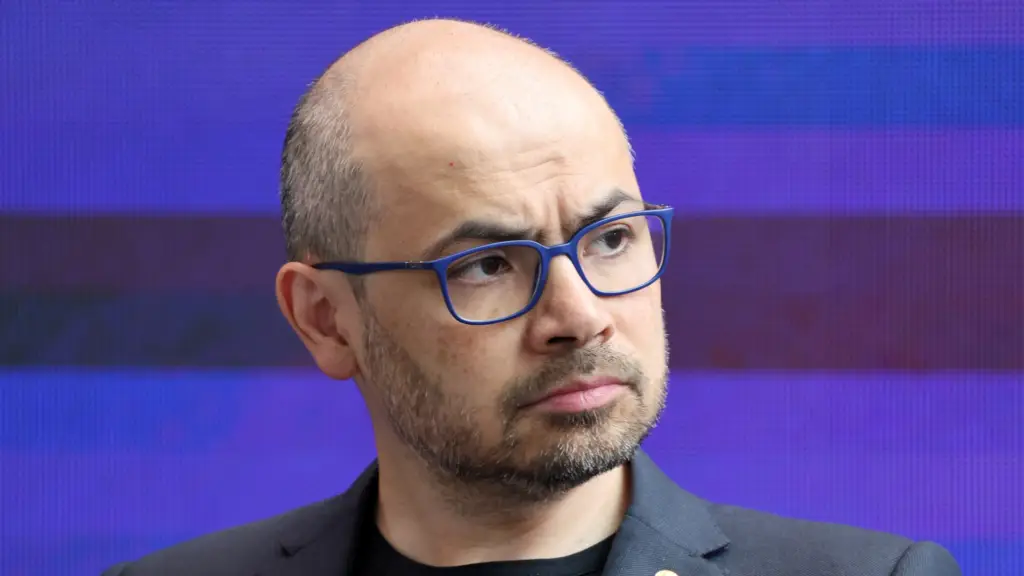
Demis Hassabis told world leaders to put more effort into research that deals with the rising dangers of advanced artificial intelligence. He talked about how important it is to have strong guardrails to protect societies at the AI Impact Summit. He was worried about bad people using it wrong and the system losing control.
Hassabis said that developers and governments need to be responsible for the growing power of AI. He said that DeepMind is just 1 part of a huge global ecosystem. He said that regulators have a hard time keeping up with how quickly technology is changing.
Source: Windows Central
Summit Highlights Deep Divide Between US Position And Global Governance Calls
Multiple technology leaders and political figures at the summit supported global regulatory frameworks. They said that coordinated governance mechanisms could help lower the risks that come with autonomous systems. Shared oversight they claimed ensures safety across international borders.
But the United States strongly turned down these kinds of offers. Michael Kratsios, an adviser to the US, said that centralized global control is bad for innovation. His comments made it clear that there are big differences between American policy and the goals of international regulators.
Sam Altman and Modi Urge Coordinated AI Oversight
Sam Altman, the head of OpenAI, also called for AI regulation right away. He was worried about development that goes too fast without enough protections. His comments were in line with the growing calls from around the world for structured oversight frameworks.
Narendra Modi, the Prime Minister of India, talked about how important it is for countries to work together. Modi said that everyone needs to take responsibility for using AI in a moral way. India’s stance backs using multilateral methods to plan how technology will be used in the future.
Recommended Article: US Military Used Anthropic’s Claude AI in Venezuela Raid
Hassabis Warns That Bad Actors And System Control Risks Are Primary Threats
Hassabis talked about 2 main risks that advanced AI systems pose. The first involves misuse by malicious actors exploiting powerful models. The second is about the possibility of losing control over people when capabilities grow quickly.
He pushed for making protective structures stronger in all areas of development. He said that engineers need to be on the lookout during system deployment. He said that keeping people safe means constantly assessing risks and changing how you respond.
Global Competition With China Raises Stakes As AI Capabilities Accelerate Fast
Hassabis said that the West is still a little ahead of China in AI development right now. He did, however, say that the gap could close in a matter of months because technology is moving so quickly. The race he suggested affects how quickly policies are made in many countries.
He stressed the importance of balancing brave new ideas with safe ways to use them. This kind of balance gives you an edge over your competitors while causing the least amount of harm to society. These pressures have a big effect on how world powers talk about policy all the time.
Political Leaders Emphasize Shared Responsibility For AI Safety And Governance
David Lammy, the UK’s Deputy Prime Minister, said that political institutions need to work with tech companies. He said that safety should guide the use of AI to make sure that the public good stays at the center. Lammy stressed that developers aren’t the only ones who are responsible.
He wanted everyone to work together to deal with systemic risks. He said that policymakers should work ahead of time, not after the fact. This kind of cooperation makes people more likely to trust AI systems at home and abroad.
Future AI Capabilities Will Transform Creativity Education And Global Workforce Needs
Hassabis said that AI will become a global creative superpower in the next 10 years. He said that STEM education is still very important, even though automation is becoming more common. He said that having a background in technology will still be helpful even as AI tools become more common.
He said that automating coding will make it much easier for everyone to make apps. Because of this, creativity, judgment, and taste may become more important ways to tell professionals apart. He said that these changes will change what people expect from their jobs around the world.