


G7 Leaders Discuss Emergency Steps To Protect Energy Supply
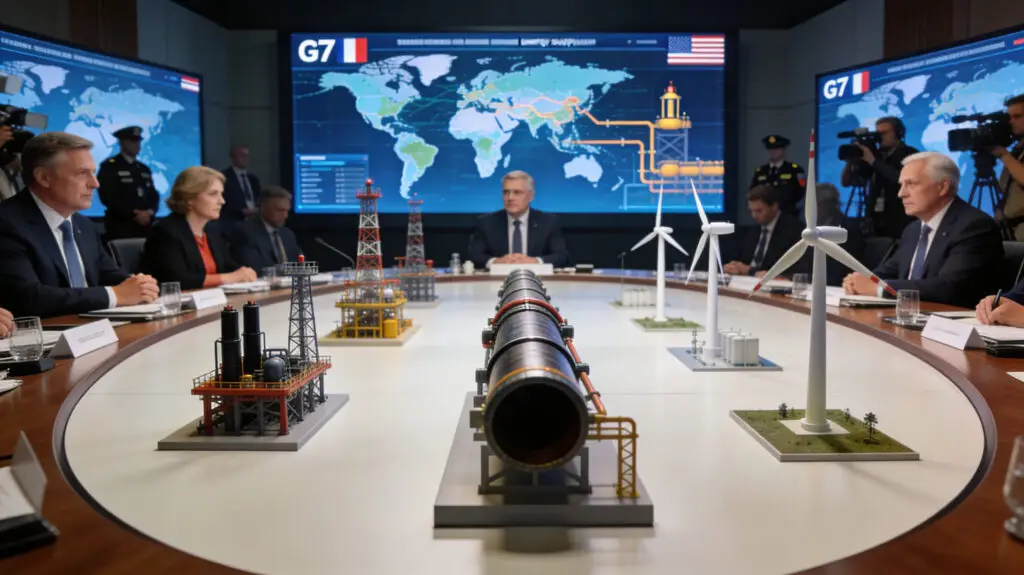
The G7 countries said they are ready to do what it takes to help keep the world’s energy supplies stable as tensions rise. The International Energy Agency met with finance ministers to talk about what they could do about rising oil prices. The talks were mostly about how to stabilize energy markets that were affected by the US-Israel war with Iran.
Officials said that attacks on oil infrastructure in the past few months have made global energy markets much more dangerous. The Middle East’s major oil-producing areas are still very important for keeping the world’s oil supply stable. Any long-term disruption could have an effect on fuel prices, transportation costs, and inflation in economies all over the world.
Source: USA Herald
Oil Prices Rise After Fighting Stops Production in the Middle East
Prices for oil shot up to almost $120 per barrel because people were worried about long-term supply problems. As military strikes hit energy facilities and transportation infrastructure all over the region, the markets reacted strongly. These changes made people worry that millions of barrels of crude oil would be hard to get for a while.
Even though prices later fell below $90, the market’s reaction showed how fragile global energy supply chains are. Traders quickly change their expectations about supply when there are geopolitical conflicts that could affect major oil-producing areas. Even small problems can have a big effect on the prices of goods around the world.
Strategic Oil Reserves Remain Option For Governments
One possible response that came up at the G7 meeting was to release oil from strategic emergency reserves. Countries keep these reserves on hand to deal with major supply problems that affect global markets. But leaders didn’t agree to release the stored crude oil during the meeting.
The IEA member countries currently have more than 1.2 billion barrels of public emergency oil reserves. Governments around the world are responsible for holding about 600 million barrels of extra industry reserves. These resources give markets a lot of power to stabilize during energy supply crises.
Recommended Article: Iran Escalates Conflict With Missile Strikes on US Bases
Strait Of Hormuz Disruption Raises Major Market Concerns
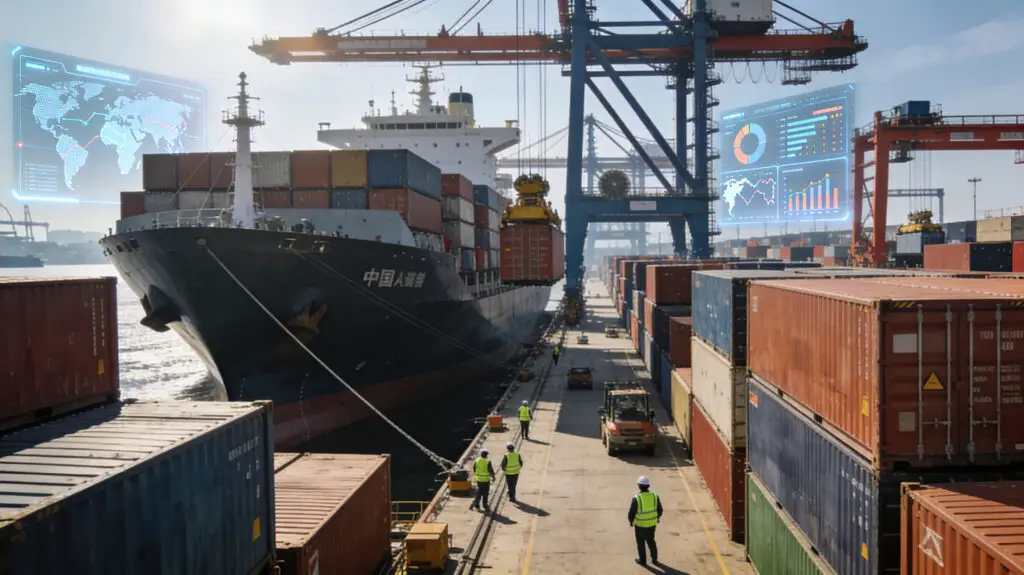
The Strait of Hormuz is still one of the most important shipping routes for oil exports around the world. About 1/5 of the world’s oil supply usually goes through this narrow waterway. Traffic through the passage has slowed down a lot since the war started, which has made people worry about running out of supplies.
Energy experts say that long-term disruptions could have a big impact on international fuel markets and the cost of transportation. Delays in shipping may also lower refinery output because fewer shipments of crude oil reach processing plants. These kinds of problems can quickly cause problems in the global economy.
Military Strikes Target Energy Infrastructure Across Region
Recent military actions have focused on important energy infrastructure in Iran and nearby Gulf countries. Reports say that airstrikes hit oil storage facilities and refineries near Tehran as the fighting got worse. Iran also attacked energy infrastructure in nearby Gulf states, which made things even more tense.
During the conflict, Saudi Arabia said it shot down drones that were headed for a big oil field. These kinds of things show how quickly energy infrastructure can become a target in geopolitical conflicts. Damage to these buildings can stop both production and shipping at the same time.
Rising Energy Prices Could Influence Global Inflation
Rising oil and gas prices could cause inflation to rise in many economies around the world. Energy costs affect the prices of transportation, manufacturing, and electricity, which affects both businesses and consumers. If prices keep going up, major central banks may not cut interest rates as much as they had hoped.
After the rise in oil prices, financial markets have already started to rethink their plans for future interest rates. Investors now think that rates might stay higher for longer than they first thought. So, worries about inflation are still closely tied to changes in energy markets.
Markets Stay Unstable Because of Ongoing Conflict
Even though prices have gone down temporarily, energy markets are still very sensitive to new developments in the conflict. Analysts say that how long the war lasts will have a big impact on whether prices keep going up or level off. Longer disruptions could raise oil prices to levels that would greatly lower global demand.
Economists call it “demand destruction” when people stop using fuel because prices go up too much. These kinds of things can eventually lower prices as demand goes down around the world. For now, investors are still keeping an eye on geopolitical events that could affect the stability of the world’s energy supply.