
Dollar Maintains Global Strength Despite Market Volatility Concerns
Even though there are constant rumors about its weakness, the U.S. dollar is still the strongest currency in the world. When the market is uncertain, people sometimes talk about possible alternatives that might come from Europe or China. But neither area has the right conditions right now to compete with the widespread use of the dollar around the world.
The dollar is still a big part of reserves and transactions for central banks and global investors. Its liquidity, stability, and strong market infrastructure help keep people’s trust around the world. No other economy has been able to match this entrenched position, even though other economies are trying to gain more power.
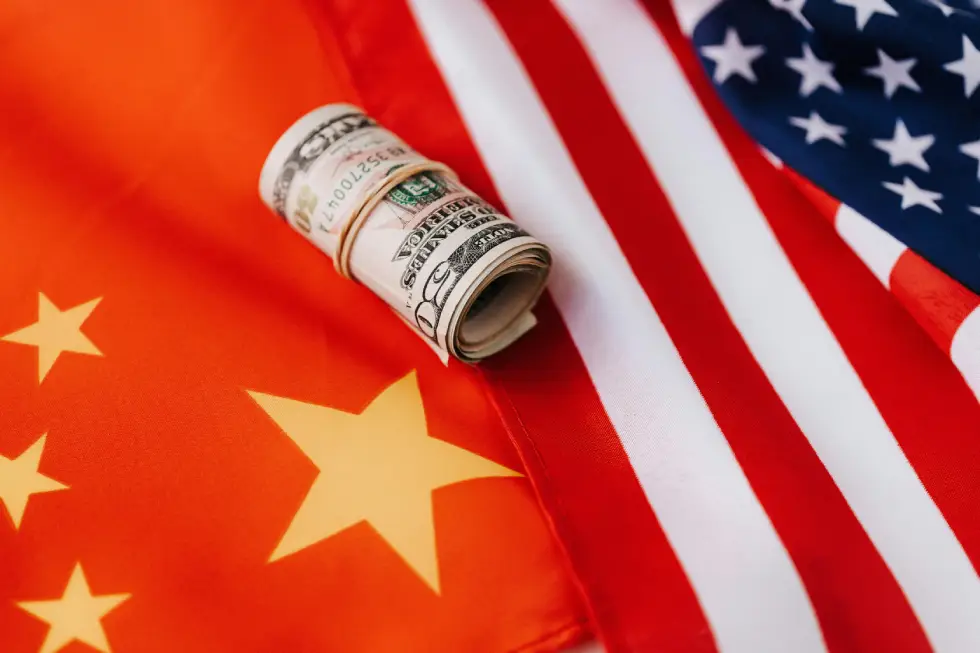
Source: Fair Observer/Website
Euro Faces Significant Constraints Limiting Reserve Currency Ambitions
The euro in Europe faces structural problems that make it hard for it to become the main reserve currency. Political fragmentation and fiscal divisions make it hard for the eurozone to have a single way to manage its finances. These restrictions make people less sure that the euro can work as a single global currency.
The U.S. Treasury market is the most deep and liquid in the world, which helps the dollar stay on top. Europe doesn’t have the same level of financial integration that is needed for large-scale global reserve substitution. As a result, the euro has a hard time spreading its influence beyond its role in keeping the region stable.
Fiscal Fragmentation Undermines Eurozone Monetary Integration Globally
Different fiscal policies in eurozone countries make it hard for the currency to stay in line over time. Different political priorities make it hard to keep up with the financial strategies needed for global credibility. These problems make investors less likely to move large amounts of money into euro-denominated investments.
Europe can’t have the same level of trust in its financial systems as the U.S. does because it doesn’t have a single fiscal authority. People who trade in the market need stable governance structures that will keep currency stable over the long term around the world. Until these changes happen, the euro can’t be used because of basic problems.
Recommended Article: Japan Moves to Back Overseas Economic Security Projects
China Promotes Yuan Internationalization Yet Faces Limited Global Uptake
China is still trying to get more people around the world to use its currency through specific programs. Trade invoicing programs and swap agreements are meant to get people to use the yuan more around the world. The digital yuan experiment is part of a larger effort to modernize cross-border financial transactions.
Even with these efforts, the yuan’s share of global reserves is still much smaller than the dollar’s. Investors are being careful because of unclear governance and limits on capital movement. These worries stop people from making big changes to the dollar system.
Yuan Adoption Hampered By Restricted Markets And Geopolitical Concerns
China’s capital controls and unpredictable rules make it less appealing to investors around the world. For a currency to be a major reserve currency, the markets must be deep, liquid, and clear. The yuan’s financial ecosystem is still not open enough to meet these expectations consistently.
Geopolitical tensions make it even less likely that international financial institutions will widely adopt it. Trust in long-term monetary stability has a big effect on how reserves are allocated. The yuan can’t really compete with the dollar’s dominance without structural changes.
Global Finance Requires Trust And Liquidity Beyond Current Alternatives
To replace the dollar, the market needs to be very deep and the institutions need to be trustworthy. Countries need to have clear governments that help keep international financial operations steady. Neither Europe nor China meets the universal requirements for liquidity and trust right now.
Central banks put the most value on currencies that have been stable during global problems. The dollar’s strength keeps it in the lead, even though there are occasional debates about other options. Its basic infrastructure is still the biggest and most integrated in all of the world’s economies.
Dollar Dominance Will Likely Stay Strong For The Time Being
Analysts say that Europe and China don’t have the resources right now to compete with the dollar. There are structural weaknesses and problems with governance that make it hard for currencies to grow in international markets. Because of this, plans to replace the dollar are mostly just ideas without big changes.
The dollar’s stability is very important for the world’s financial systems to work smoothly. The dollar is still safe until other currencies can match its level of trust and liquidity. This long-lasting edge guarantees continued dominance in global transaction and reserve frameworks.