Venezuela Intervention Raises Fears Of Similar Arctic Scenarios
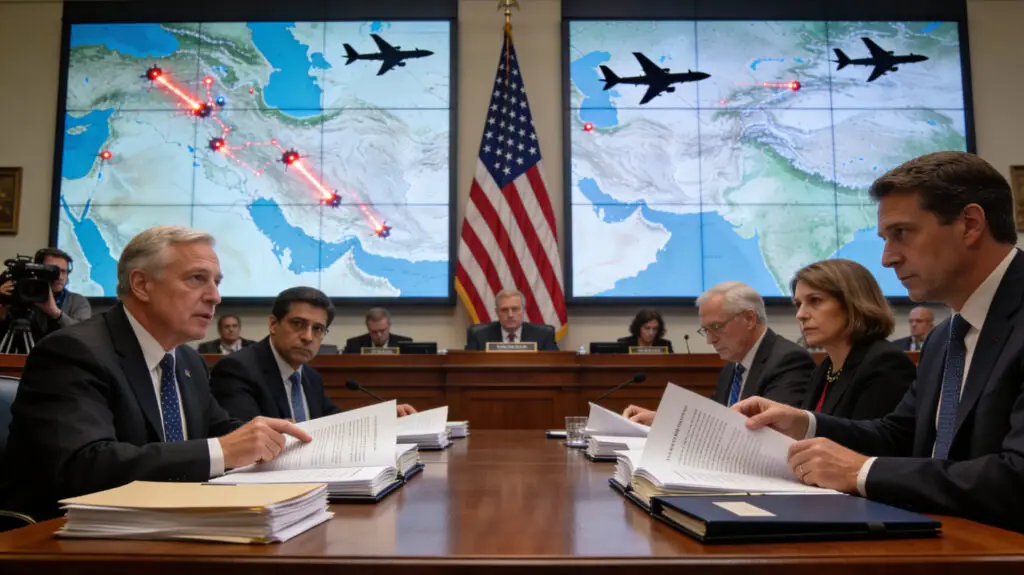
Trump’s actions in Venezuela showed that he was willing to ignore international rules again. This intervention showed that his administration didn’t care about protecting sovereignty. European leaders were careful in their responses, which showed a worrying level of tolerance for actions that could cause instability.
The precedent suggests that Greenland could be put under economic pressure again. Analysts say that hybrid tactics could take the place of traditional military operations. These kinds of strategies let you make strategic gains without setting off collective defense triggers.
Source: ABC News/Website
Greenland’s Autonomy And Strategic Value Heighten Global Stakes
Under Denmark’s constitution, Greenland has a lot of power to govern itself. The people there want independence but don’t want to join the United States. Leadership keeps saying that sovereignty is based on international law and democratic rights.
The island has a lot of rare earth elements and uranium in its soil. These resources are very important to global supply chains for technology. Their strategic importance goes up a lot as geopolitical competition grows.
US Pressure Grows Through Security and Diplomatic Actions
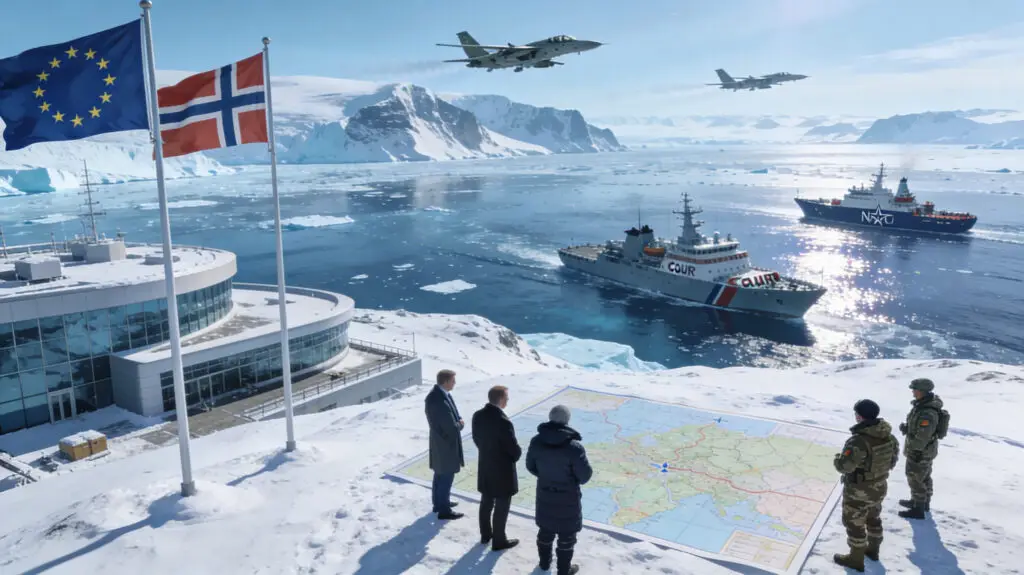
Trump’s long-standing interest in Greenland grew stronger during his second term. High-ranking officials went to Thule Air Base and publicly criticized Denmark’s investments. Their words showed that the pressure was growing, which was framed as support for Greenland’s security.
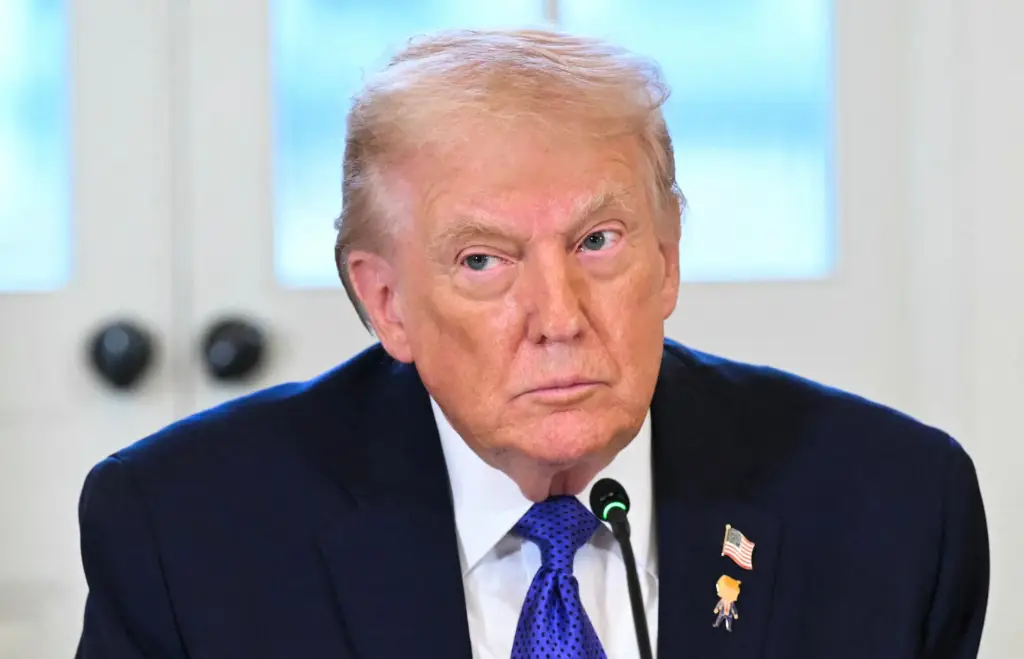
At a public briefing, Trump said that Greenland was a top national security concern. He chose a special envoy who pushed for eventual integration into US territory. Danish officials said the move was unacceptable interference.
Recommended Article: Mette Frederiksen Stands Firm Against Trump’s Greenland Push
EU Offers Support But Avoids Confronting Washington Directly
EU institutions showed support for Denmark and Greenland. Leaders stressed the importance of respecting established norms and keeping the territory intact. But their responses were still limited to diplomatic statements and no punishment.
Europe was less willing to make things worse because of its dependence on the US and Canada. Trade commitments and NATO obligations affected decisions about energy needs. Internal divisions made it even less likely that everyone would work together on a strategic plan.
Internal EU Weaknesses Limit Ability To Respond Strategically
The EU’s reliance on NATO for security makes it harder for countries to make their own decisions. This reliance diminishes the ability to effectively counter US coercive strategies. Because of this, officials carefully protect the stability of the alliance even when people do things that make them angry.
Deindustrialization is slowly taking away Europe’s economic independence. High energy costs and a lack of investment make it harder to negotiate. Rising populism makes it even harder to make sense of the fragmented political landscapes in member states.
Greenland Crisis Reflects A Perfect Storm Of EU Vulnerabilities
Analysts say that the problems Europe is facing are coming together like a perfect storm. Economic decline, social polarization, and reliance on security all weaken geopolitical power. These structural problems all make strategic paralysis happen faster during crises.
If the EU doesn’t make changes, it could become more reactive than proactive. Greenland shows what can happen when defense autonomy isn’t strong enough. People who watch say that future crises may show even more problems with institutions.
Scenario Outlines Potential US EU Arctic Security Trade Pact
A possible deal would strike a balance between Arctic security and economic benefits. Trump could make it easier for mining companies to get to mines and build more infrastructure. These rules make the US more powerful and make it harder for Europe to change its policies.
The EU might get temporary energy concessions in return. Limited tariff relief would help businesses in the short term. But the deal makes people more dependent in the long run, which makes transatlantic relations even more unequal.