


China Achieves Historic $1 Trillion Trade Surplus in 2025
China’s trade surplus hit an all-time high of $1 trillion, making it the world’s largest manufacturing center. Exports went up to $3.4 trillion, while imports went down to $2.3 trillion, making the surplus approximately 22% bigger.
Even though the US has trade restrictions, the Chinese economy keeps doing better than expected by diversifying and coming up with new ideas in high-value areas.
Resilient Growth Amid Trade Tensions With the United States
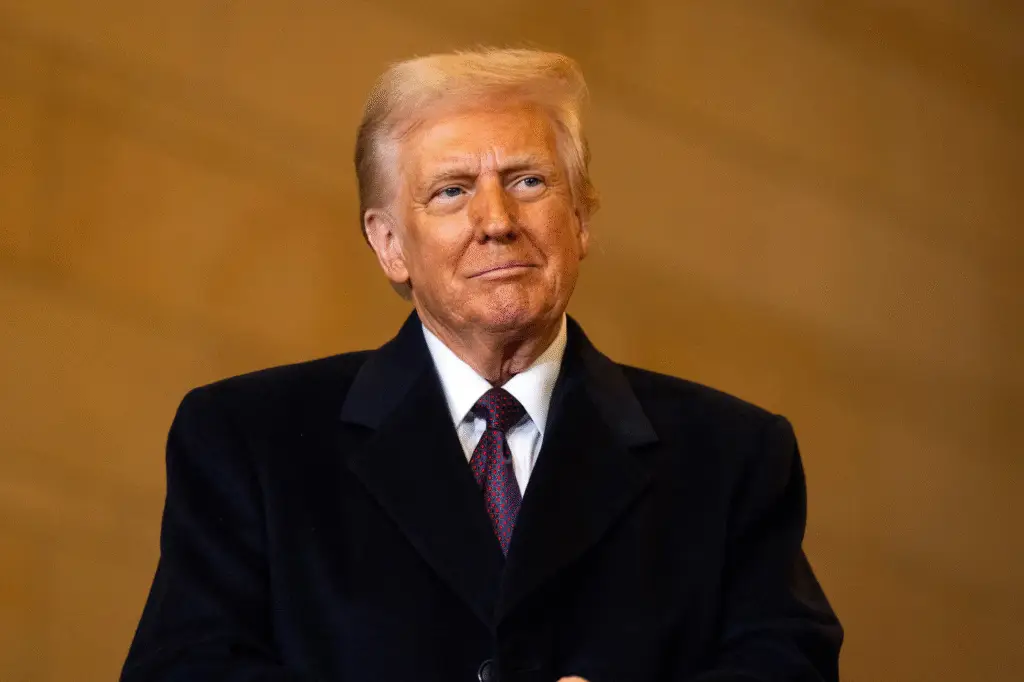
Earlier this year, US President Donald Trump put in place “reciprocal tariffs” to try to limit China’s export strength, but they didn’t have much of an effect.
China got around the limits by sending more goods to Southeast Asia and Europe and setting up new industrial hubs abroad with cheap tariffs.
High-Tech and Electric Vehicles Drive Export Surge
China’s high-tech exports grew 5.4% faster than all of its exports, showing that the country is moving toward more modern manufacturing.
Electric cars were the main reason for the rise, with sales of more than 6.5 million units. Semiconductor exports also rose by 24.7%.
Recommended Article: Tunisia Detains Ahmed Nejib Chebbi as Crackdown Deepens
Shipbuilding and Rare-Earth Industries Strengthen Industrial Base
In 2025, Chinese shipbuilding exports rose by 26.8%, showing that the country is getting better at working in complicated engineering fields.
China still controls a lot of rare-earth metals, with up to 70% of mining and 90% of worldwide processing.
Trade Diversification Fuels Export Momentum
Beijing’s plan to diversify its economy involved sending cargo through Southeast Asia, especially Vietnam and Indonesia, to avoid heavy US tariffs.
Exports to the European Union went up 15%, while trade with ASEAN nations was up more than 8%, making up for losses in American markets.
Currency Policy Boosts Global Competitiveness
A controlled and relatively weak yuan has made Chinese goods cheaper to buy in other countries, which has helped exports even further.
Economists say that the actual effective exchange rate is at its lowest point since 2012, which gives China a bigger pricing advantage throughout the world.
Decades of Industrial Policy Pay Off
China’s supremacy in manufacturing is the result of decades of planned strategy, which has changed from low-cost textile exports to innovative electronics and renewable energy technology.
This quick rise in industry made China the world’s second-largest economy and the backbone of global supply networks.
Global Response to China’s Expanding Economic Power
Leaders in Europe, including France’s Emmanuel Macron, have said they will put extra taxes on goods coming from China to level the playing field.
During recent trade discussions in Beijing, Germany’s foreign minister, Johann Wadephul, also brought up worries about too much capacity and dependency on rare earths.
China’s Export Growth Set to Continue Through the Decade
Morgan Stanley analysts say that by 2030, China’s proportion of global exports will grow from 15% to 16.5%.
Beijing’s capacity to adapt, strong industry, and strategic connections should keep commerce growing even though there are still problems across the world.