


The Historical Roots of China-Arab Economic Cooperation
China and the Arab world have been connected since the ancient Silk Road, which linked merchants, cultures, and early economic cooperation across continents. These historical ties built trust that still affects how we trade, make deals, and invest today. Shared experiences in anti-colonial struggles bolstered political unity and long-term economic alignment.
This historical continuity enables contemporary partnerships to develop without ideological discord or geopolitical competition overshadowing collaborative initiatives. Both sides stress respect for each other, sovereignty, and practical development over conditional economic engagement models. These kinds of foundations help cooperation stay strong even when the world economy is unstable and power shifts.
Source: ThinkChina.sg
Trade Growth Boosting China’s and the Arab World’s Economies
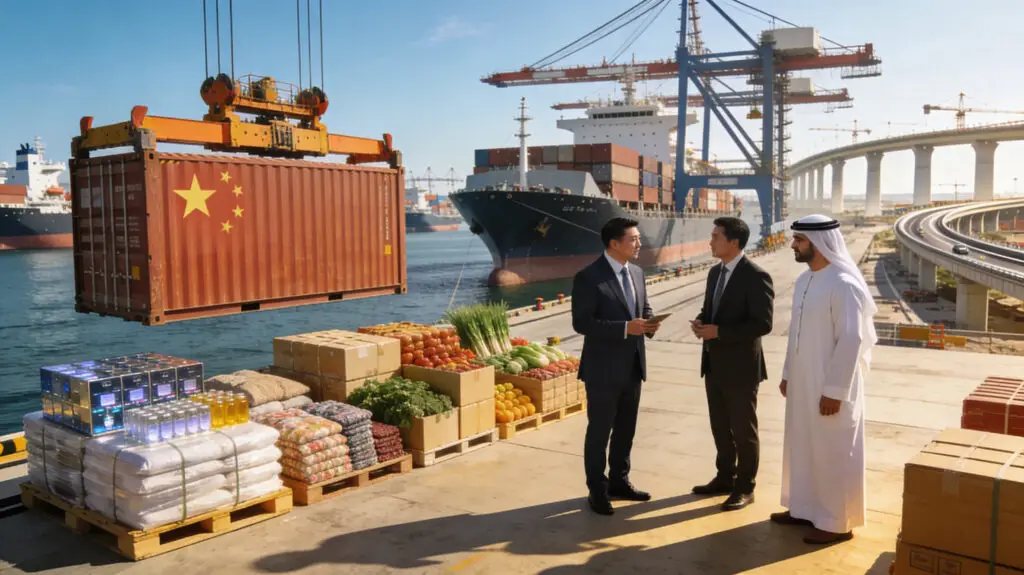
China has been the Arab world’s biggest trading partner for several years in a row, which shows that trade has been growing steadily. Recently, the amount of trade between the two countries rose from $46 billion to over $400 billion. Energy imports, manufactured goods, and technology exchanges are the main things that hold this trade relationship together as it grows quickly.
Arab economies see China as a stable source of demand in a world where energy markets are always changing and supply chains are always breaking down. China gains from having a variety of energy sources and growing export markets in the economies of the Middle East and North Africa. This trade relationship strengthens long-term economic ties and strategic alignment.
Infrastructure Projects that Help the Economy Work Together
Chinese-built infrastructure projects clearly tie together economic cooperation in many Arab countries and regions. The New Pyramid skyscraper in Egypt and the East West Highway network in Algeria are two of the most important projects. These projects improve logistics, the capacity of cities, and the connections between regions, which helps the economy grow as a whole.
Infrastructure cooperation goes beyond building things. It also includes financing, transferring technology, and working together for a long time. Arab governments use Chinese know-how to speed up development and bring important economic corridors up to date. These kinds of projects are proof that strategic economic cooperation can lead to real results.
Recommended Article: Can Washington Disrupt China Energy Routes and Global Oil Up
Strategic Leadership Accelerating Bilateral Cooperation
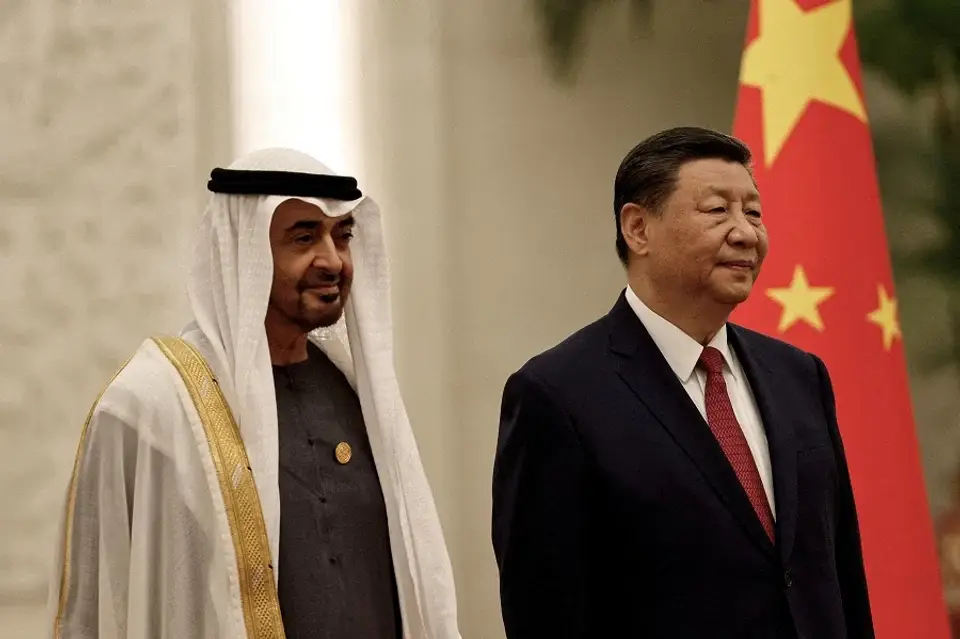
Chinese and Arab leaders have always put economic cooperation frameworks at the top of their political agendas. Strategic dialogues turn political trust into real development agreements and investment pipelines. Aligning leaders lowers uncertainty and speeds up the start of big projects.
The leaders of the Arab League stress the need to work together with China to find a balance between global partnerships and development goals. China’s long-term planning fits with regional goals for diversifying and improving industry. This leadership synergy keeps things moving even when the economy is going through short-term cycles.
Energy And Development Interests Aligning Economies
Energy cooperation is still important, with Arab countries providing China with important resources that help its industries grow. In exchange, China gives money, technology, and infrastructure to help with efforts to diversify the economy. This model of reciprocity balances the trade of resources with efforts to add value to development.
Renewable energy, petrochemicals, and industrial zones are becoming more and more important to traditional oil trade. This kind of diversification makes you less likely to be affected by commodity cycles and helps you reach your goals for long-term economic change. Both sides gain from diversifying beyond reliance on a single sector.
Cultural Exchange Supporting Long Term Economic Trust
Exchanges between people help economic cooperation by making people understand each other better and building social trust. Both sides have positive views of each other thanks to educational programs, cultural initiatives, and media engagement. These softer aspects make economic ties more resilient when politics or the market change.
Cultural familiarity makes it easier for businesses to work together, negotiate, and form long-term partnerships across industries. Building trust outside of contracts makes it easier to work together and settle disagreements. Strong cultural foundations help economic relationships grow.
Future Outlook For China Arab Economic Partnership
China and the Arab world are likely to keep growing their economic ties in areas like trade, infrastructure, and technology. Strategic alignment suggests that growth will continue even though the world economy is breaking up and there are geopolitical tensions. Long-term planning frameworks put stability, inclusivity, and shared development benefits at the top of their list of goals.
As cooperation grows, both sides want to set up systems that make sure economic engagement is predictable and can grow. New sectors will probably work well with traditional trade, which will strengthen all partnerships. The trajectory shows that there will be long-lasting momentum based on history, strategy, and shared goals for prosperity.