Radev Rejects Law Expanding Control Over Lukoil Refinery
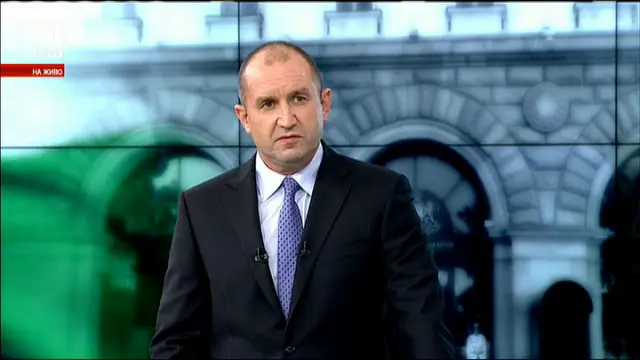
Rumen Radev, the president of Bulgaria, has blocked changes to the law that would have given the government more power over Lukoil Neftochim, the country’s only oil refinery, which is controlled by Russia’s Lukoil. The judgment, which was made public on November 12, stops a controversial law that would have let a state-appointed special manager sell the refinery’s assets.
The official statement from the presidency says that Radev thinks the move goes against European legal standards, weakens constitutional values, and puts public funds at risk. The president’s veto shows that there is more and more conflict between Bulgaria’s legislative and executive institutions as they try to figure out what to do with the refinery under Western sanctions.
Legal and Economic Risks Cited by the Presidency
President Radev said in his veto statement that the changes would lead to an “indirect nationalization” of Lukoil’s Bulgarian assets, giving a government administrator wide, unrestrained powers. He warned that this kind of move might let assets be transferred to unknown third parties, which would make it easier for people to misuse their authority and be corrupt.
Radev stressed that these modifications to the law might also weaken judicial control and hurt Bulgaria’s reputation abroad, making it less likely that people will invest in the country in the future. “The changes go against basic European legal norms and undermine the rule of law,” the statement said.
Parliament’s Move Sparks Concerns of Nationalization
Earlier in November, the Bulgarian Parliament enacted the law, saying that more government monitoring was required to ensure energy security and cut down on reliance on Russian-linked businesses. The changes gave the special management powers that had never been given before, such as the right to sell or restructure refinery assets without the approval of shareholders.
Critics, on the other hand, felt the decision was politically driven overreach that took away ownership rights without going through the proper channels. Radev’s veto adds to worries that these kinds of actions might break EU property protection rules and lead to legal fights at both the national and European levels.
Recommended Article: South Korea Indicts Ex-President Yoon for Aiding the Enemy
Lukoil Under Pressure Amid Sanctions and Market Shifts
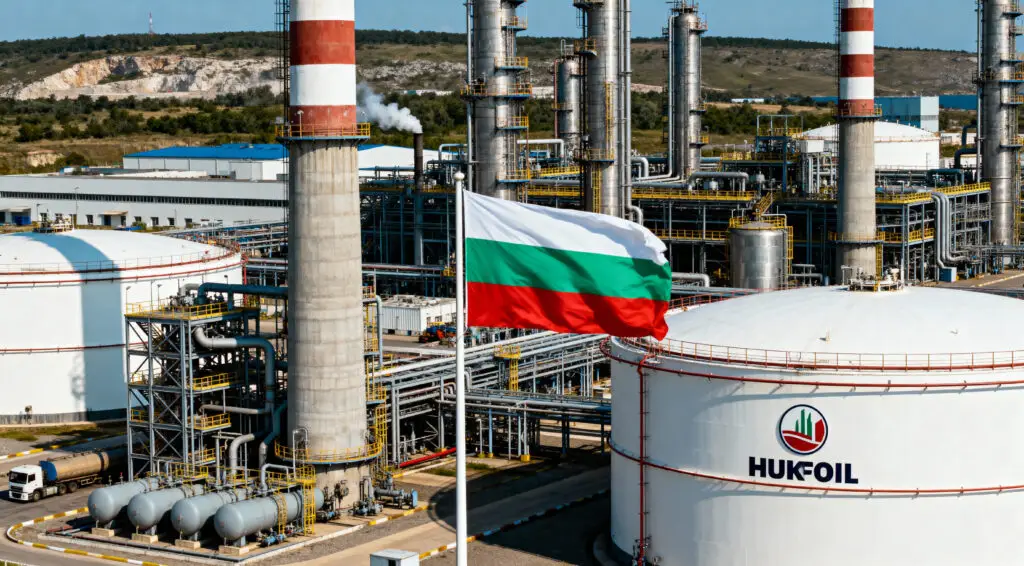
Lukoil Neftochim and Lukoil Bulgaria run the country’s refinery and gas stations. They are also affected by U.S. sanctions against Russia’s Lukoil and its subsidiaries. The refinery at Burgas is very important for Bulgaria’s energy supply since it refines most of the country’s crude oil.
Gunvor, a Swiss company that trades commodities, pulled out of the bidding to buy Lukoil’s overseas holdings, which made the situation even more complicated. The U.S. Treasury Department has called Lukoil “the Kremlin’s puppet” before, which made Western companies less likely to buy Russian energy companies.
International and Domestic Implications
Analysts say that Radev’s veto might make it harder for Bulgaria to work with EU and NATO partners to change its energy independence plan. The suggested law wanted to make sure that the government could step in if Lukoil’s business was hurt by sanctions or market turbulence.
But critics in Bulgaria and the EU say that the law’s wide provisions might infringe property rights, which could lead to legal challenges in the EU and international arbitration systems.
The president’s choice also shows how hard it is for Bulgaria to keep its national sovereignty while avoiding measures that may be seen as arbitrary or illegal under European investment criteria.
Deadline and Next Steps for the Bulgarian Government
The Bulgarian government has until November 21 to decide what to do next with Lukoil Neftochim. Lawmakers may either change the law to fix the president’s problems or use a majority vote in parliament to overcome the veto.
If the veto is reversed, the new law would go into force right away, giving the special manager a lot of influence over Lukoil’s operations in Bulgaria. If this decision is confirmed, the government will have to come up with a new set of rules for overseeing refineries that follow EU rules and protect standards for international investment.
A Test of Bulgaria’s Rule of Law and Energy Policy
The Lukoil case has become a test of Bulgaria’s commitment to democracy and the rule of law in the face of geopolitical challenges. Radev’s veto makes him a protector of the rule of law and shows that he is against actions that are seen as disruptive to the economy and the law.
Bulgaria is dealing with a lot of different things at once, such as energy security, following EU laws, and following penalties. The conclusion of this debate will certainly affect its business climate and worldwide reputation for a long time.