

Tarique Rahman’s Homecoming Reshapes Bangladesh’s Political Landscape
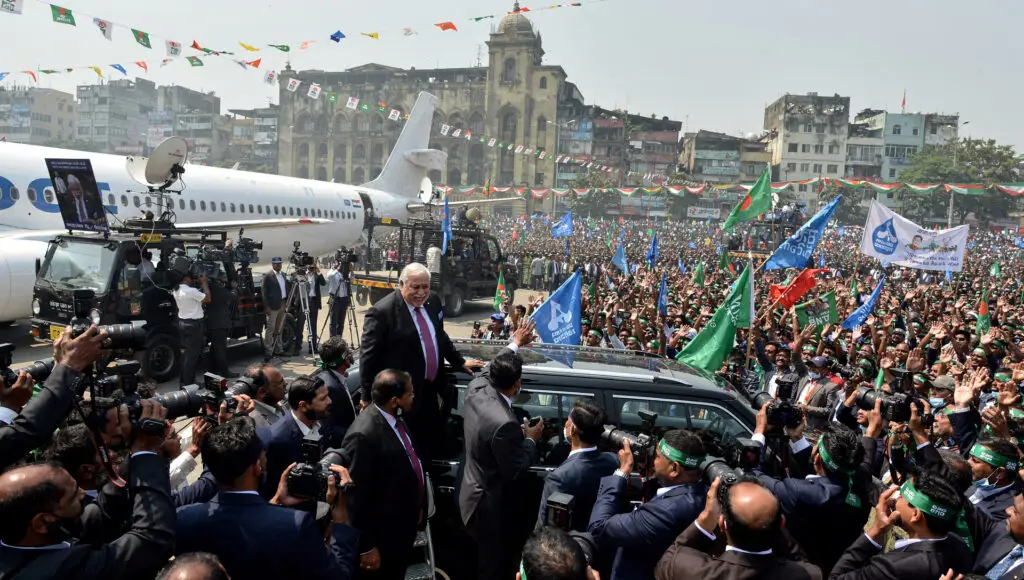
After being away for seventeen years, Tarique Rahman returned to Dhaka to a huge crowd of excited Bangladesh Nationalist Party supporters. His arrival changed the political landscape right away, just before elections were set to take place under the interim government.
Rahman’s symbolic actions showed that he wanted to be the leader of the country again and gave BNP members across the country new energy. People who watch say that his return is a key moment in Bangladesh’s political transition after the uprising.
Exile Years Defined by Controversy and Political Survival
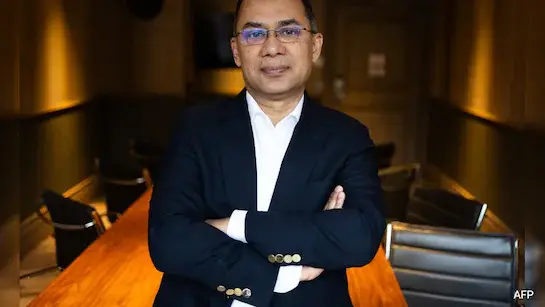
Rahman had been living in London since 2008 because he was accused of corruption, violence, and money laundering by rival governments. He always said that these charges were politically motivated attempts to push opposition leaders to the side.
Rahman stayed the acting chairman of the BNP while in exile, but he didn’t get involved in politics at home. His long absence made people doubt him and made party supporters stay loyal.
Political Lineage Anchored in Bangladesh’s Power Dynasties
Rahman is the oldest son of Khaleda Zia, who was the Prime Minister of Bangladesh, and Ziaur Rahman, who was the President of Bangladesh. This family history puts him at the center of Bangladesh’s long-running dynastic feud.
For decades, the Zia and Hasina families took turns being in charge, which shaped how Bangladesh is run today. Rahman’s return brings this historic rivalry back to life during a tense election season.
Recommended Article: Political Rift Widens After Trump Christmas Speech
Collapse of Hasina Era Creates Opening for Opposition Revival
A student-led uprising and violent government crackdowns led to the removal of former Prime Minister Sheikh Hasina. International observers said that there were a lot of abuses during her fifteen years in power without stopping.
Later on, Hasina’s party was not allowed to run in elections, which left a big hole in the political landscape. Experts think this gave Rahman’s BNP a chance to come back like never before.
Rahman’s Vision Emphasizes Inclusion and National Reconciliation
Rahman talked to his supporters about the history of Bangladesh’s independence and stressed the need for unity across social divides. He asked for all citizens to have safety, dignity, and equal rights.
His speech showed that he wanted to move toward more open government after years of political oppression. The BNP leaders say that this approach will bring back democratic norms across the country.
Electoral Math Favors BNP in a Divided Opposition Field
Recent polls show that the BNP has more support from voters than any other party before the elections in February. Bangladesh’s first-past-the-post system makes it easier for organized parties like the BNP to win.
New political movements have a hard time because they don’t have enough money or people to help them. The BNP has structural advantages going into elections because Hasina’s party isn’t running.
Leadership Test Awaits Rahman After Years Away from Home
Rahman is now expected to bring together the different factions in his party that formed while he was away. Bringing loyalists from exile together with leaders in the country is still a big problem.
Experts say that how he leads will affect how much people trust him and how well the party works together. In the next few months, we may find out if Rahman is ready to lead Bangladesh again.