

Bhutan Tries to Win Over Europe With Big Promises of Development
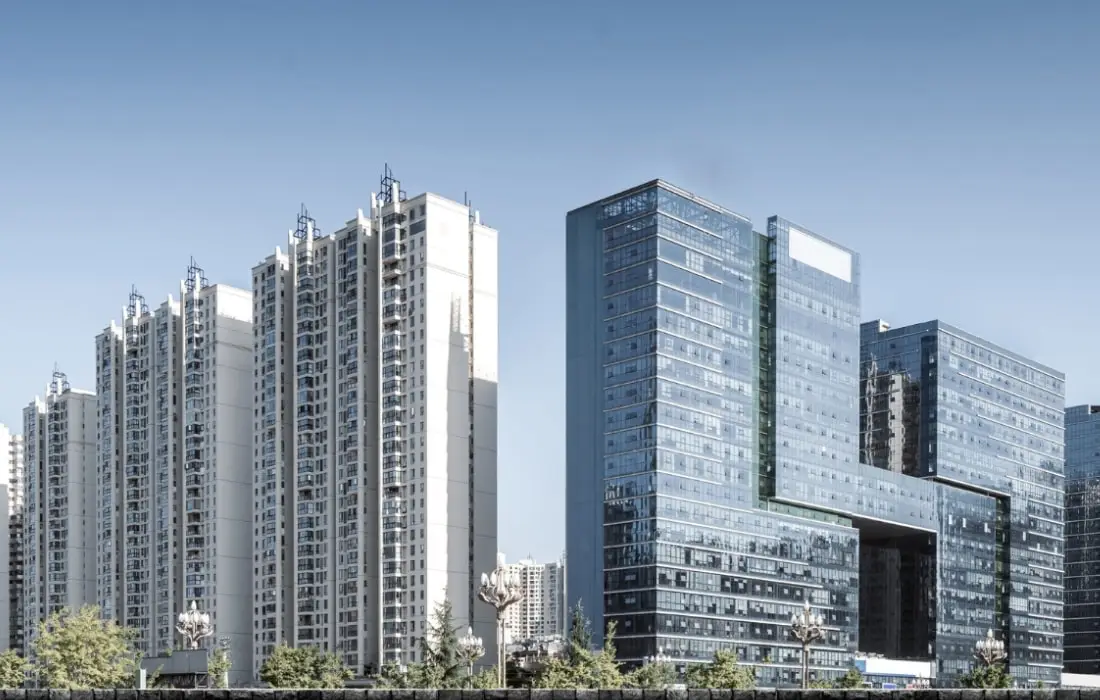
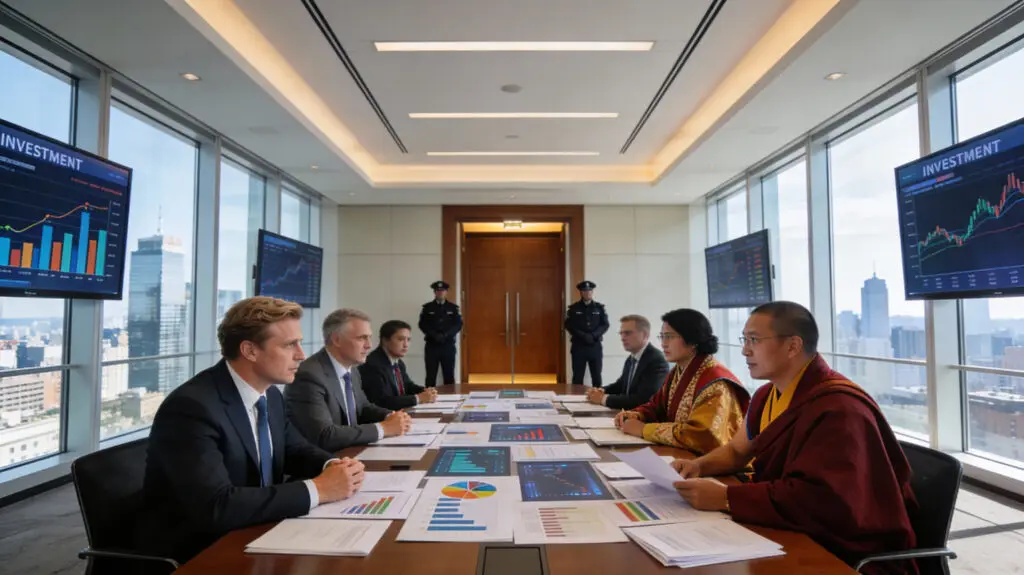
The prime minister of Bhutan is traveling around Europe to get people to invest in the Gelephu Mindfulness City mega project. The project is being sold as a visionary economic center that combines sustainability, spirituality, and partnerships with international capital.
European leaders are being told to see Bhutan as a safe place to invest in long-term development. The government talks a lot about its plans for reform but not so much about the human rights violations that still happen in its prisons.
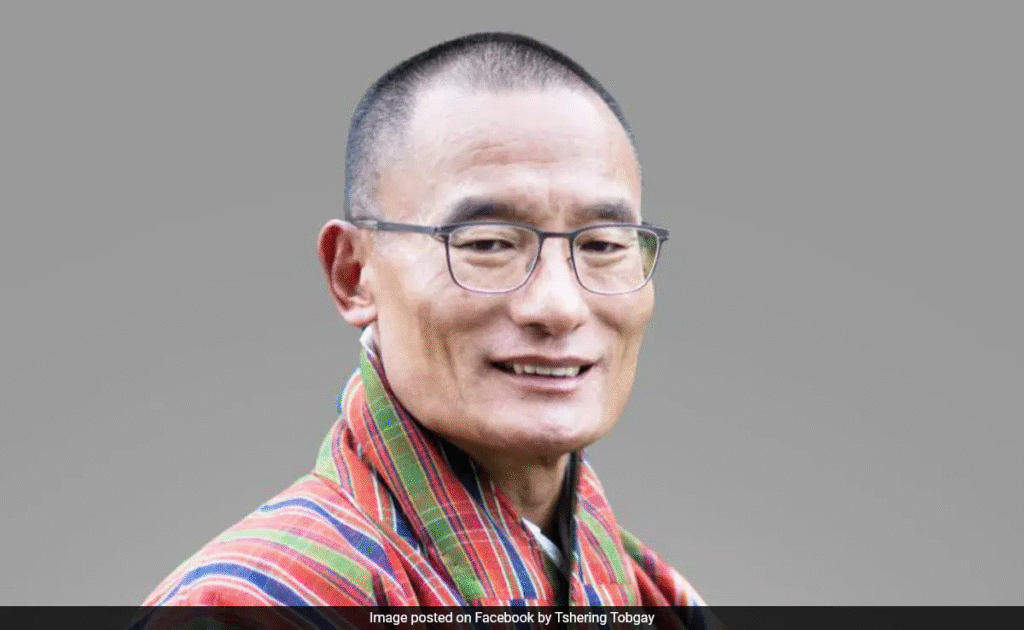
Source: NDTV/Website
Political Prisoners Remain Jailed Despite International Findings
30 political prisoners are still in jail in Bhutan after being held for decades because of very bad legal proceedings. Their convictions were based on claims of torture, the lack of legal representation, and trials that did not meet basic international standards.
A committee from the United Nations looked at a number of cases and decided that the arrests were illegal. They officially called for the immediate release of the people who were arrested. Still, the Bhutanese government hasn’t done anything obvious to follow those suggestions.
Worsening Health Conditions in Bhutanese Prisons
Former detainees and family members say that imprisoned political dissidents’ health has gotten much worse. Some prisoners are old, sick all the time, and rely on family payments to get basic medical care.
A long-term prisoner recently died in jail, which raised even more concerns about the conditions in prisons and the delays in getting medical care. Family members say that important medicines are hard to get unless you pay for them privately through unofficial means.
Recommended Article: Japan Calls Snap Election as Takaichi Seeks Stronger Mandate
Roots of Repression Trace Back Before Democratic Reforms
Most of the cases of political prisoners happened before Bhutan became a constitutional democracy in 2008. In 1990, tens of thousands of Bhutanese who spoke Nepali were stripped of their citizenship and forced to leave.
During that time of widespread state violence, some prisoners were accused of taking part in protests. Others were charged with having ties to banned pro-democracy groups that support political pluralism.
Life Sentences Depend Solely on Royal Clemency Powers
Under Bhutanese law, many people who were arrested were given life sentences without the chance of parole. The reigning monarch must issue a royal commutation for their release.
In the past, monarchs have shown mercy in similar cases, but families say that current appeals are not encouraged. Relatives of prisoners say they were told not to apply for a shorter sentence.
European Meetings Present Leverage for Human Rights Pressure
The prime minister is meeting with business and political leaders in Brussels, Frankfurt, and Prague as part of his European tour. European officials are holding a forum in Brussels to talk about international partnerships and ways to encourage investment.
European leaders can bring up human rights issues along with talks about the economy. Not paying attention to political imprisonment could make repression seem okay by doing business with people who aren’t held accountable.
Investors Told to Look Past Bhutan’s Global Brand
Bhutan’s image around the world stresses happiness, harmony, and mindfulness as important values. Critics say that this branding hides ongoing political repression that goes against those values.
European investors are encouraged to make their involvement dependent on real improvements in human rights. Releasing political prisoners would show that real change is happening and that development goals are in line with moral duty.