

Economic Growth Slows but Signs of Recovery Are Emerging
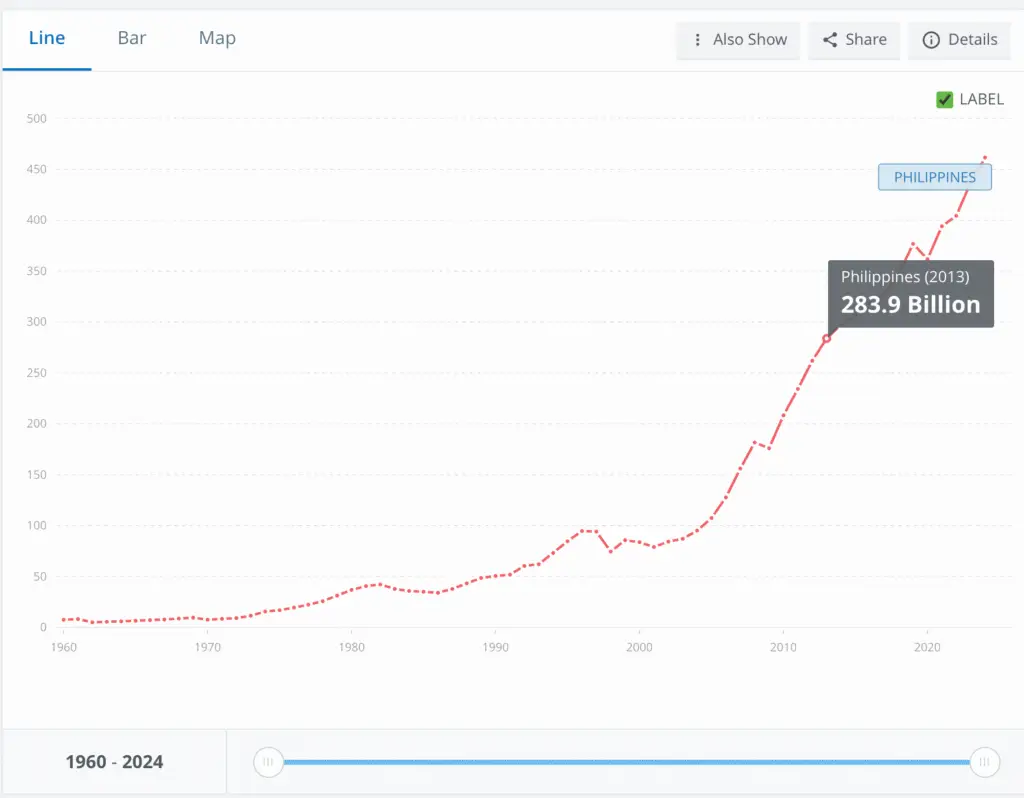
This year, the Philippines’ GDP is predicted to be less than the government’s goal of 5.5% to 6.5%. Average growth was just 5% in the first nine months because people were spending less and there were problems with corruption.
Economists, on the other hand, expect growth to pick up again by 2026 as structural changes start to work. People think the downturn is just temporary, and signs of recovery are already showing up in many areas.
ADB Expresses Confidence in the Philippines’ Economic Prospects
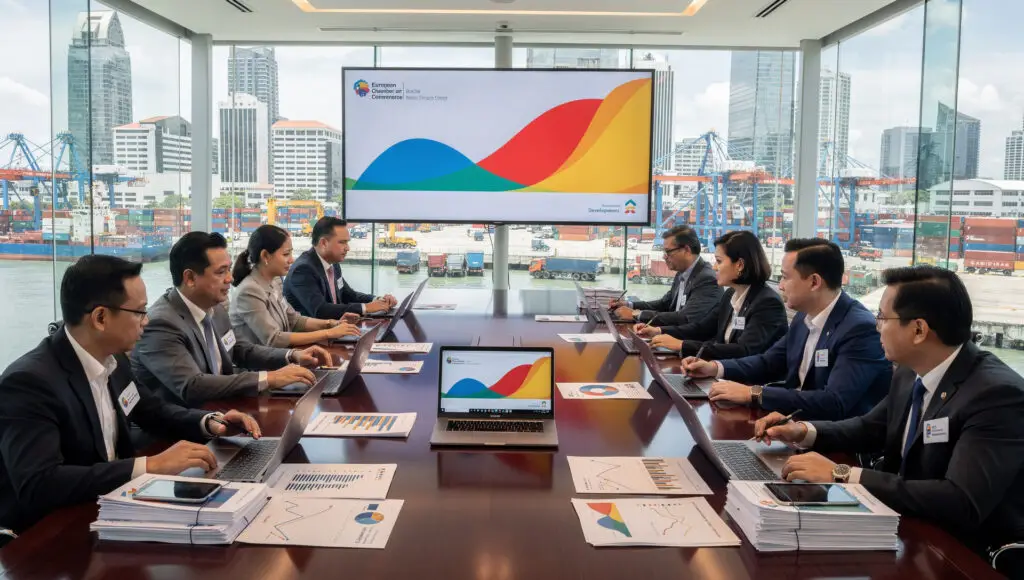
At a recent meeting of the European Chamber of Commerce of the Philippines, ADB Country Director Andrew Jeffries said he was hopeful about development next year. He stressed that changes are still very important for making progress that lasts.
Jeffries said that the economy is likely to recover quicker than projected if the government stays open, responsible, and efficient in how it does things.
Key Reforms to Strengthen the Philippines’ Economic Competitiveness
Jeffries ordered the government to enforce new legislation, including the CREATE MORE Act and the Land Lease Act. He also said that the Enhanced Fiscal Regime for Large-Scale Mining Act was important for bringing in foreign investment.
He claimed that following these rules correctly will make investors more confident. Reforms that keep going would also help businesses in the US and abroad work together for a long time.
Recommended Article: France Economic Growth Stays Stable At 0.5% In Q3
European Businesses Report Growing Optimism for 2026
The European Chamber’s 2025 Business Sentiment Survey shows that European investors are more confident in the Philippine market. About 70% think that trade and investment will go up next year.
More than 65% of the enterprises that were polled expect to grow their businesses in the next four years. Twenty percent will stay the same size. This hope shows that people believe in the country’s economic foundations.
European Firms Seek Further Improvement in Trade Procedures
Even when things look good, several European investors still perceive problems in the Philippines’ commercial climate. More than 34% felt customs processes were too hard, and 47% said they were okay but could be better.
ECCP executives stressed the need for specific changes to bring in new investors. Making trade procedures more efficient will make businesses more competitive and provide a better climate for business.
Strengthening Investor Confidence Through Policy Stability
Officials from the ADB said that investors need to be able to trust that policies will be applied consistently and that regulations will stay the same. Governments that are predictable make businesses more likely to make long-term commitments in new markets.
The Philippines can make itself a more reliable place to invest in Southeast Asia by making its rules more like those in other countries.
Trade Agreement With European Union Seen as Key Growth Driver
Both ADB and ECCP talked about how the upcoming free trade deal between the Philippines and the EU may be good for both sides. The agreement might greatly increase chances for trade and investment.
Officials were hopeful that the deal, which is set to be signed next year, will lead to further economic collaboration. The transaction is another step toward an economy that is more open, strong, and able to compete on a global scale.