


US Geopolitical Hook Military Strategy Meets Political Messaging
Written by a geopolitical communications analyst specializing in U.S. foreign policy, military signaling, and media strategy, this analysis examines how public messaging intersects with real-time security decisions.
In our analysis of U.S. foreign policy, communication around military action is increasingly part of the strategy itself—balancing deterrence, secrecy, and domestic political signaling.
Recent tensions surrounding Venezuela and U.S. operations highlight how sensitive questions are handled in real time.
(Image: Copyright 2025 The Associated Press. All rights reserved.)
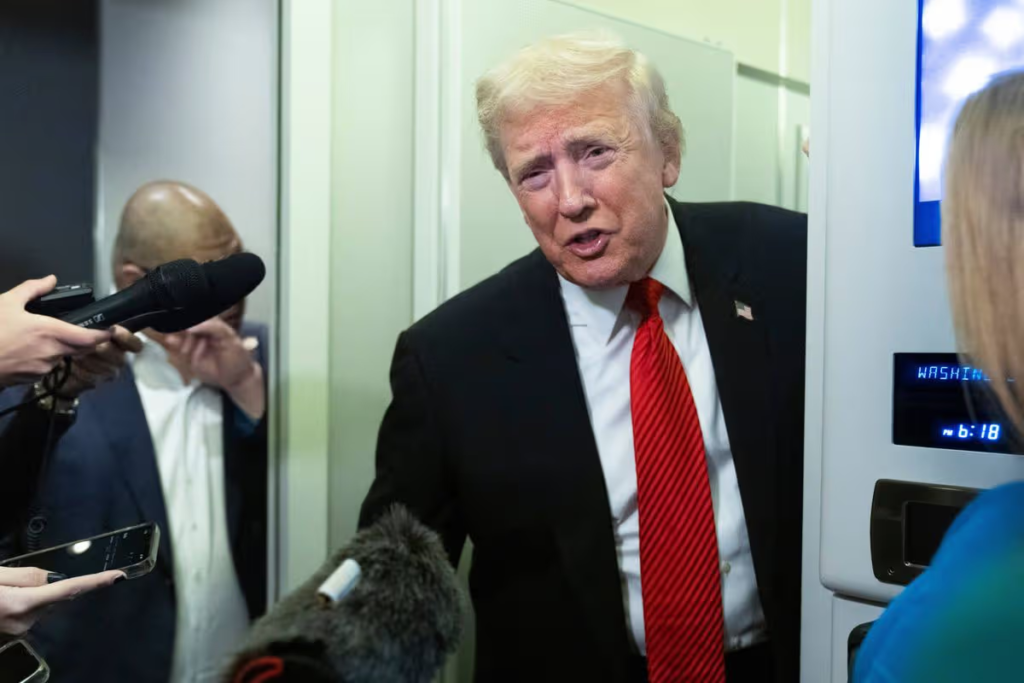
What Happened on Air Force One
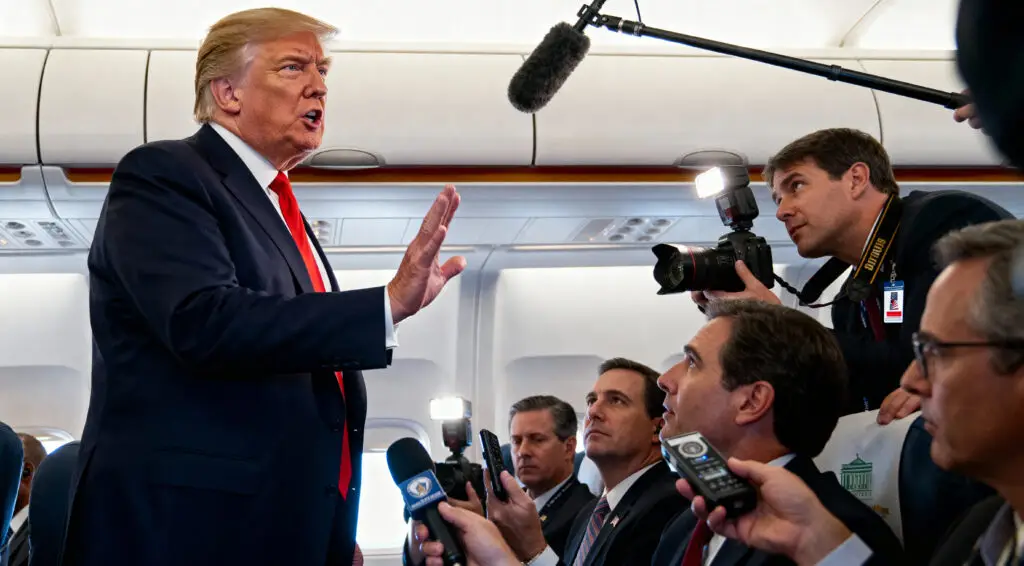
During a flight aboard Air Force One, Donald Trump was asked whether the United States was planning additional strikes related to Venezuela.
The question followed months of escalating U.S. activity in the region, including military operations and prior strikes tied to anti-narcotics campaigns.
Trump responded sharply:
- Dismissed the question as inappropriate
- Refused to confirm or deny any plans
- Emphasized that military decisions are confidential
His reaction reflects a consistent position: operational details are not disclosed publicly.
Why Trump Refused to Answer
From a strategic standpoint, refusing to discuss military plans is standard practice in national security.
Key reasons include:
- Protecting operational security and troop safety
- Avoiding escalation or misinterpretation by adversaries
- Preserving strategic ambiguity
In our evaluation, the response aligns with established executive behavior—though delivered in a more confrontational communication style.
Context Rising Tensions With Venezuela
The exchange comes amid heightened U.S.-Venezuela tensions following significant military and political developments.
Recent actions include:
- U.S. strikes targeting alleged drug trafficking operations in the Caribbean
- Expanded military presence in the region
- A high-profile operation that led to the capture of Nicolás Maduro earlier in 2026
These developments have intensified scrutiny over potential future military actions.
Domestic Messaging and Political Framing
Beyond foreign policy, Trump’s response also reflects domestic political positioning.
In similar situations, messaging has linked Venezuela-related issues to broader themes such as:
- Drug trafficking and national security concerns
- Immigration and border policy debates
- Criticism of previous administrations
This pattern shows how foreign policy discussions are often integrated into domestic narratives.
Media Tensions Continue
This exchange is consistent with a broader pattern of contentious interactions between Trump and the press.
Observed communication strategies include:
- Challenging the framing of sensitive questions
- Criticizing assumptions made by journalists
- Redirecting discussions toward preferred policy topics
In our analysis, these interactions serve both defensive and strategic communication purposes.
What This Means Going Forward
The refusal to provide clarity reinforces uncertainty in U.S. policy direction toward Venezuela.
Key implications include:
- Continued reliance on strategic ambiguity
- Limited transparency for markets and geopolitical observers
- Ongoing unpredictability in diplomatic and military actions
This uncertainty can influence both regional stability and global perceptions.
Silence Is Part of the Strategy
Trump’s refusal to discuss potential military plans is not unusual—it is a deliberate component of strategic communication.
From a geopolitical perspective, what leaders choose not to disclose can shape expectations as much as confirmed actions.
The key takeaway is clear:
In high-stakes international situations, silence is not a gap in communication—it is often a calculated signal.
This analysis is provided for informational purposes only and does not constitute political or strategic advice.