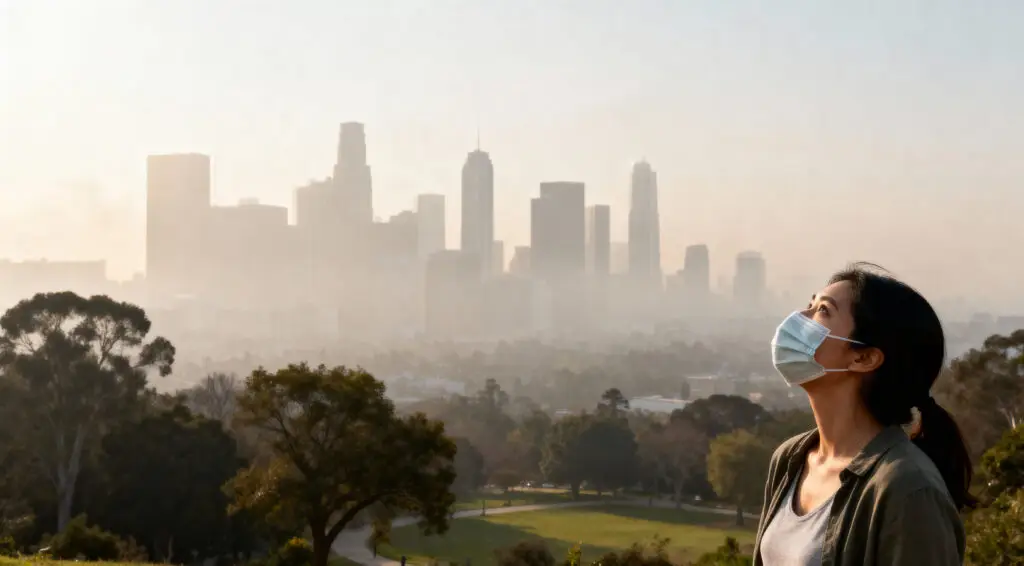
A Real-World Analysis of Systemic Health Risks From Air Pollution
Written by an environmental health researcher focused on population-level exposure risks and public health systems, this analysis explores how air pollution is affecting multiple biological systems beyond the lungs.
Air pollution is no longer just a respiratory concern—it is increasingly recognized as a whole-body health threat with long-term consequences.
In our analysis of environmental health data and epidemiological studies, the evidence shows that pollution exposure is linked to a wide range of chronic conditions affecting millions globally.
What Is PM2.5 and Why It Matters
Recent research led by Deena Thomas at Binghamton University highlights the risks posed by fine particulate matter, commonly referred to as PM2.5.
Key characteristics include:
- Particles measuring 2.5 micrometers or smaller
- Ability to penetrate deep into the lungs
- Capacity to enter the bloodstream and circulate through the body
From a biological standpoint, these particles bypass natural defense mechanisms, making them particularly harmful compared to larger pollutants.

How Air Pollution Affects the Entire Body
The impact of pollution extends far beyond breathing-related illnesses.
Key health effects include:
- Increased risk of respiratory conditions such as asthma and chronic lung disease
- Elevated likelihood of cardiovascular complications, including heart attacks
- Disruption of iron metabolism and blood function
- Emerging links to neurological and mental health conditions
In our evaluation, air pollution should be viewed as a systemic health stressor rather than a localized environmental issue.
Why Public Awareness Remains Limited
Despite strong scientific evidence, awareness of pollution risks remains inconsistent.
Key observations include:
- Many individuals underestimate their daily exposure levels
- Air pollution ranks among leading global causes of premature death
- Even well-informed populations often lack a full understanding of long-term risks
This awareness gap reduces the effectiveness of both personal and policy-level prevention strategies.
Pollution Is Not Just an Urban Problem
Air quality challenges are not confined to major cities.
Key insights include:
- Rural and indigenous communities experience comparable exposure levels
- Environmental degradation is often recognized locally without formal scientific terminology
- Household sources, including cooking and heating, contribute significantly to pollution
In our analysis, this broadens the issue into a nationwide and global public health concern.
Role of Air Quality Data in Changing Behavior
Access to real-time air quality information is beginning to influence daily decisions.
Key developments include:
- Increased availability of air monitoring systems and mobile apps
- Families adjusting outdoor activities based on pollution levels
- Heightened awareness during extreme events such as wildfires
This shift indicates that transparency and data accessibility can drive meaningful behavioral change.
Can Nutrition Reduce Pollution Damage
Emerging research suggests that diet may play a role in mitigating the effects of pollution exposure.
Key findings include:
- Nutrient-rich diets may strengthen the body’s defense mechanisms
- Certain vitamins and antioxidants could reduce cellular damage
- Preventive strategies may extend beyond environmental control
While not a substitute for reducing pollution, these approaches add a complementary layer of protection.
Why Air Pollution Remains Difficult to Solve
Addressing pollution is complex due to its scale and sources.
Key challenges include:
- Multiple contributors, including transport, industry, and households
- Widespread exposure across geographic regions
- Long-term health effects that develop over years or decades
In our evaluation, the absence of a single solution makes coordinated policy action essential.
Air Pollution Health Impact and Risk Overview
| Factor | Current Situation | Health Impact |
|---|---|---|
| PM2.5 Exposure | Widespread globally | Systemic health risks |
| Public Awareness | Limited understanding | Reduced prevention |
| Geographic Spread | Urban and rural areas affected | Broad population exposure |
| Health Effects | Multi-organ impact | Chronic disease burden |
| Policy Response | Gradual and uneven | Long-term mitigation needed |
This framework highlights how environmental exposure translates into measurable health outcomes.
A Long-Term Public Health Challenge
Air pollution is expected to remain a persistent global issue.
Key risks include:
- Continued exposure across vulnerable populations
- Increasing strain on healthcare systems
- Need for stronger environmental regulations and enforcement
In our analysis, sustained action across policy, healthcare, and individual behavior will be required to manage long-term risks.
A Silent but Expanding Health Crisis
Air pollution represents one of the most pervasive yet underestimated threats to global health.
The research from Deena Thomas reinforces a critical point: the impact of polluted air extends far beyond the lungs, affecting nearly every system in the body.
The central challenge is not just reducing emissions—but improving awareness, strengthening resilience, and aligning policy with the scale of the risk.
This analysis is provided for informational purposes only and does not constitute medical advice.