


US Small Business Hook Panic vs Reality
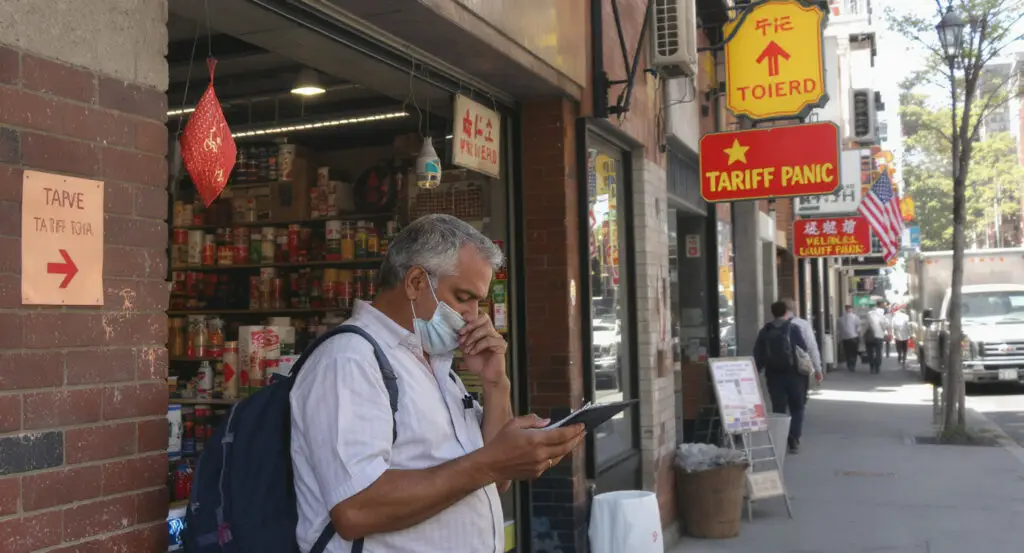
In our analysis of the current economic landscape, concerns over tariff changes under Donald Trump are creating anxiety among small business owners.
However, the broader impact may be far less severe than headlines suggest.
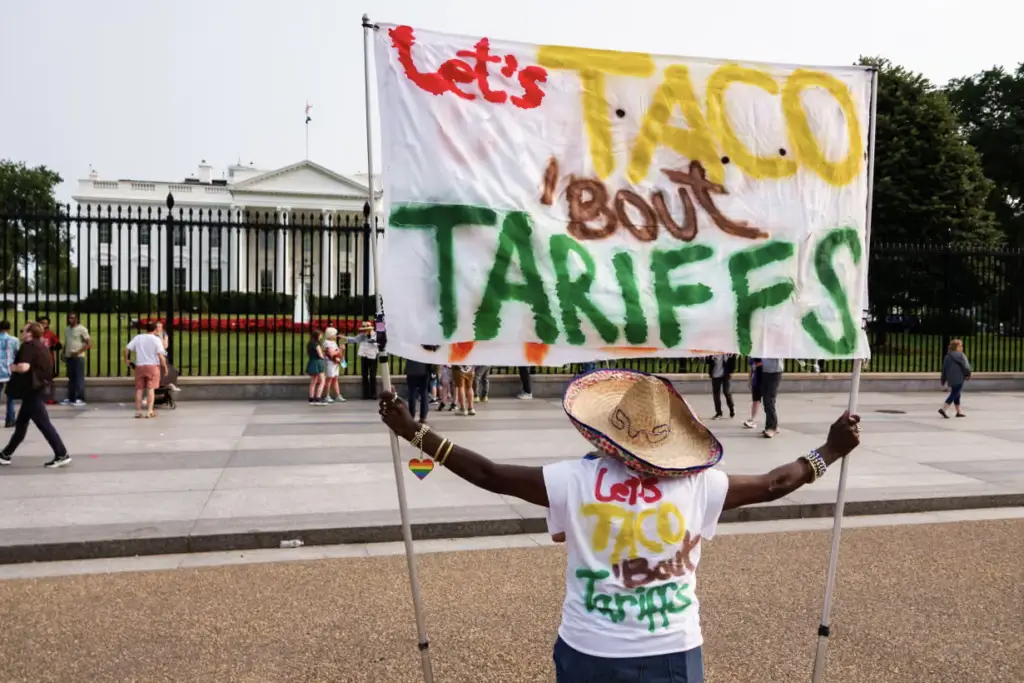
A protester outside the White House on 3 June 2025. Photograph: Kevin Carter/Getty Images
What Changed In Tariff Policy
The latest shift centers on a key trade exemption.
Key development:
- Removal of the “de minimis” rule for imports under $800
- Previously allowed tariff-free low-value shipments
- Now increases costs for certain import-dependent firms
This policy change has triggered concern—but its reach is narrower than assumed.
Why Some Businesses Are Worried
The uncertainty is real for specific industries.
Key concerns:
- Rising costs for imported goods
- Sudden regulatory adjustments
- Difficulty planning supply chains
For firms dependent on global sourcing, the impact is immediate and operational.
Most Small Businesses May Not Be Affected
The broader data tells a different story.
Key points:
- About 33 million small businesses in the United States
- Roughly 70% are service-based
- Many have little to no exposure to imports
In our evaluation, most small firms operate outside direct tariff impact zones.
Local Businesses Largely Shielded
Many everyday businesses are structurally insulated.
Examples include:
- Restaurants and cafes
- Fitness centers and personal services
- Local retail operations
These businesses rely primarily on domestic demand rather than international supply chains.
Tariff Exposure Breakdown By Business Type
| Business Type | Exposure Level | Key Risk Driver |
|---|---|---|
| Import Retailers | High | Cost of goods |
| Manufacturers | Medium | Component sourcing |
| E-commerce Sellers | Medium-High | Cross-border logistics |
| Service Businesses | Low | Local demand |
| Hospitality | Low | Domestic consumption |
This shows tariff impact is concentrated—not widespread.
Prices May Rise But Demand Matters More
Tariffs can influence pricing, but demand drives survival.
Core dynamic:
- Higher import costs may push prices upward
- Consumers continue spending if income remains stable
- Demand ultimately determines revenue resilience
In our analysis, purchasing power matters more than tariff policy alone.
Economic Conditions Still Support Spending
Macro indicators remain relatively stable.
Key signals:
- Inflation around 2.7% annually
- Labor market still relatively strong
- Middle-income household balance sheets remain resilient
These factors help cushion potential tariff effects.
How Businesses Are Adapting
Firms are not passive—they are adjusting quickly.
Common strategies:
- Diversifying supplier networks
- Bulk purchasing to manage costs
- Offering flexible payment options
Adaptation reduces short-term disruption and builds resilience.
Supply Chain Shifts Underway
Some firms are restructuring sourcing strategies.
Key approaches:
- Shifting toward domestic suppliers
- Reducing reliance on tariff-sensitive imports
- Using logistics tools like bonded warehousing
This reflects a longer-term move toward supply chain flexibility.
The Real Risk Economic Slowdown
Tariffs are not the primary threat.
More critical risks include:
- Slowing job market growth
- Declining consumer confidence
- Reduced income expansion
If demand weakens, business performance will be affected more than by tariffs alone.
Outlook Manageable Impact With Key Risks
The policy changes will affect specific sectors—but not the entire ecosystem.
Short-term disruptions are likely, but systemic risk remains limited under current conditions.
Final Insight Focus On Demand Not Just Tariffs
The debate highlights a fundamental economic reality.
From a business perspective, stability depends more on demand than policy shocks.
The key takeaway is clear:
As long as consumers continue spending, most small businesses can absorb tariff pressures—making the panic larger than the actual impact.