Bitcoin Rises Toward $74000 As Global Market Sentiment Changes
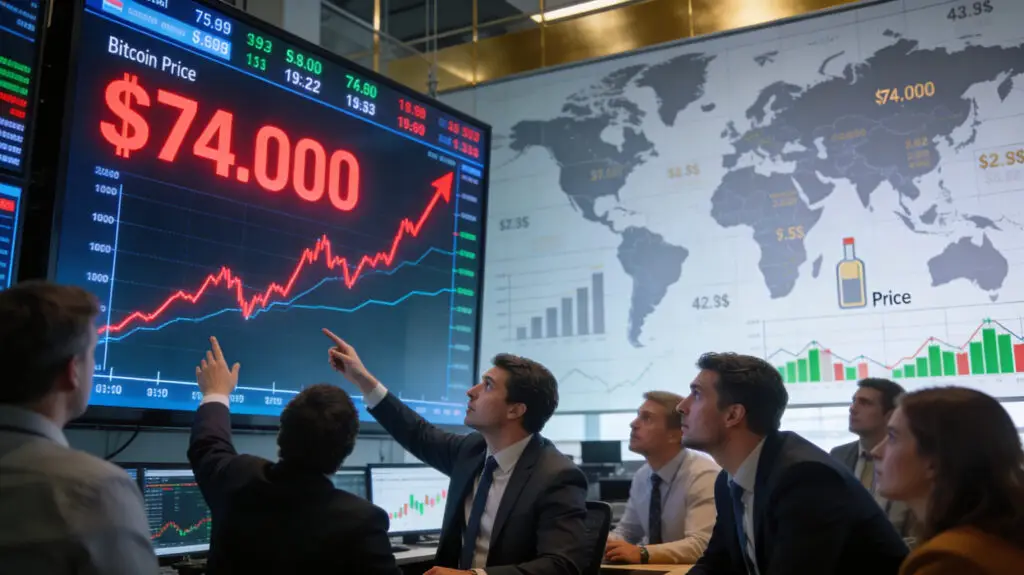
During U.S. trading hours, Bitcoin shot up sharply, getting close to the $74000 level as market sentiment changed due to geopolitical tensions. The cryptocurrency rose by almost 5% in less than 24 hours, showing that investors are once again interested after months of poor performance.
More and more people in the market see bitcoin as a strong asset during times of economic uncertainty, especially when global conflicts affect traditional markets. The price rise also happened at the same time as falling oil prices, which eased fears of inflation and boosted investor confidence in general.

Oil Price Movements Influence Crypto And Financial Markets
Since tensions rose after the Iran conflict, energy prices have been a big part of what the market thinks will happen. When oil prices go up, the risk of inflation usually goes up as well. This can change the way central banks act and how well financial assets do.
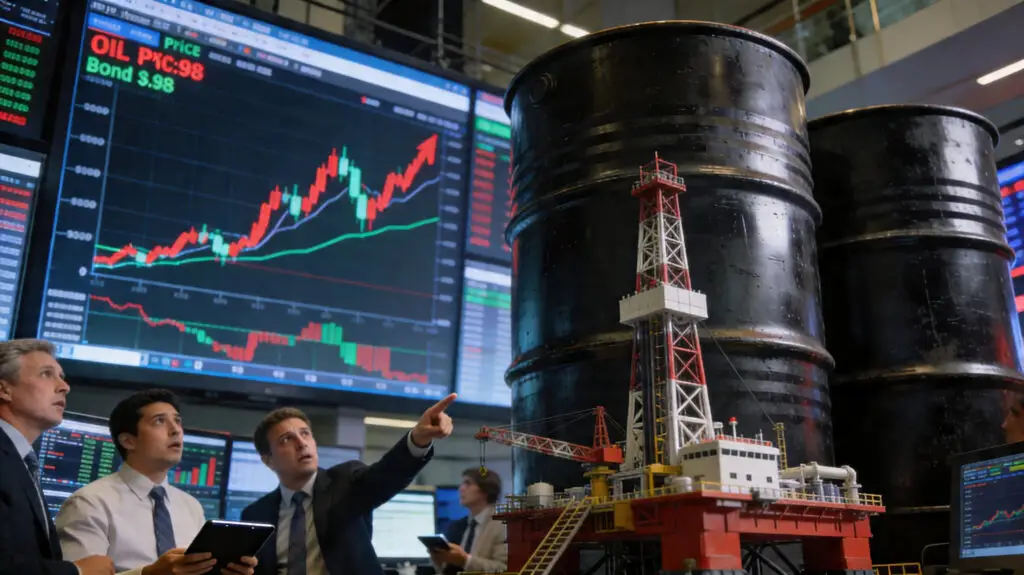
But recent drops in oil prices helped stabilize risk markets and made it easier for Bitcoin to bounce back. On Friday, WTI crude oil was trading at about $94.50 per barrel, down from highs of about $98 reached when there was a lot of geopolitical uncertainty.
Bitcoin Does Better Than Stocks And Gold During Times Of War
Bitcoin has done better than other types of investments since the Iran conflict started about 2 weeks ago. During the same time, gold and major U.S. stock indices fell, but bitcoin rose by about 11%.
This difference shows how investors sometimes turn to digital assets when other markets are having a hard time and there is political uncertainty. Bitcoin’s price changes show that it is becoming more well-known as a financial asset that can be used when the world is unstable.
Recommended Article: Bitcoin Falls Toward $67K As Extreme Fear Hits Crypto
Negative Funding Rates Suggest Potential Market Reversal
Market analysts have been keeping a close eye on funding rates in bitcoin perpetual futures markets to see if they change. For 14 days in a row, the 30-day average funding rate stayed negative. This is the longest stretch since December 2022.
Traders who bet against bitcoin have to pay long traders to keep their positions when funding is negative. In the past, these long periods of negative activity have often happened near market bottoms, which suggests that selling pressure may have already reached very high levels.
Rising Futures Open Interest Points To Short Squeeze Risk
During the recent rally, traders added to their positions, which caused open interest in both bitcoin perpetual and dated futures contracts to rise sharply. In just 24 hours, total open interest in futures rose by about 9%, reaching about 700,000 BTC on major exchanges.
The quick rise in leveraged trading activity makes a short squeeze more likely. When prices go up quickly, traders who are short may have to close their trades, which speeds up the upward price movement.
Economic Concerns Continue To Shape Investor Expectations
Even though bitcoin has been doing well, worries about the economy as a whole are still affecting how investors act and how the market looks. If oil prices go up again, analysts say that higher energy costs could still hurt consumer spending.
Fitch Ratings economists said that persistent inflation risks make it harder for the Federal Reserve to change monetary policy. If inflation picks up again, it may be hard for central banks to keep prices stable while also helping the economy grow.
March Momentum Could End Bitcoin 5 Month Losing Streak
Bitcoin has been doing poorly for a long time, but March could be an important turning point. Since the start of the month, the asset has gone up about 8%, which is a change from its recent downward trend.
If bitcoin ends March with positive returns, it will end a 5-month streak of falling prices. This kind of change could mean that the market is getting more confident and that both institutional and retail investors are becoming more interested in digital assets again.