


Stock Markets Show Mixed Performance Across Regions
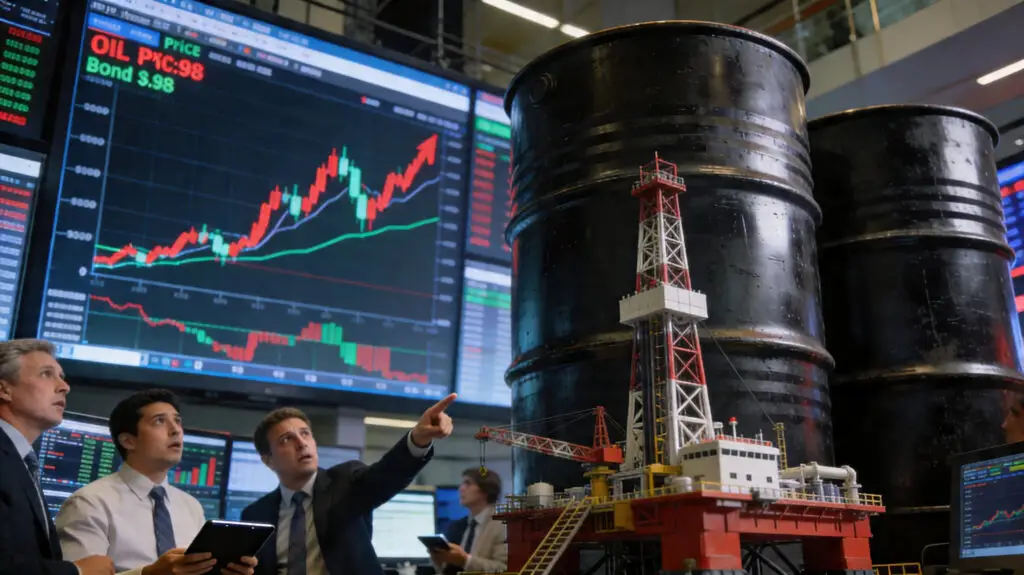
As investors reacted to the ongoing conflict between the US, Israel, and Iran, global financial markets saw a lot of ups and downs. After 2 days of falling share prices, major stock indexes in the US and Europe rose a little. At the same time, a number of Asian markets fell for the 3rd day in a row.
The FTSE 100 in London went up, along with other important Western stock market indexes. But Asian investors were still careful because the economies in the region depend on imported energy. The ongoing uncertainty about the conflict has made people in the global market even more worried.
Source: Reuters
Oil And Gas Prices Remain Elevated Amid Conflict
Energy markets have reacted strongly since military strikes against Iran made tensions in the region worse. Oil prices went up a lot, and so did natural gas prices, after the fighting started. Prices went down a little in the middle of the week, but they are still much higher than they were before the war.
When energy prices go up, it often affects many parts of the global economy at the same time. Costs of transportation go up, and businesses have to pay more to make things. In the end, these pressures lead to higher prices for goods and services for consumers.
Strait Of Hormuz Disruption Threatens Global Supply
Iran has threatened ships passing through the Strait of Hormuz, which has almost stopped shipping. A lot of the world’s energy shipments go through the narrow waterway that separates Iran and the United Arab Emirates. This important route usually carries about 1/5 of the world’s oil and gas supply.
Many oil tankers are stuck near the waterway waiting for a safer way to get through. According to maritime data, hundreds of ships are stuck and can’t move. The cost of insurance for ships that are connected to American, British, or Israeli interests has also gone up.
Recommended Article: Trump Threatens Tariffs On Nations Trading With Iran Oil Gas
Military Escalation Causes Unrest in the Energy Market
Since the fighting got worse, the price of Brent crude oil has gone up by about 12%. After military strikes on Iranian targets, attacks happened all over the region in response. These changes made people even more worried about energy markets staying unstable for a long time.
Saudi Arabia also said that there were attempts to attack the Ras Tanura oil refinery with drones. QatarEnergy also stopped making liquefied natural gas at 1 of its plants for a short time. These kinds of problems have made international energy markets even more unstable.
Asian Markets Particularly Vulnerable To Energy Shock
Many Asian economies depend on oil and gas imports from the Middle East, so they are especially sensitive to rising energy prices. During trading sessions, the stock markets in South Korea and Thailand fell sharply. Both countries stopped trading for a short time after losses went over 8%.
Circuit breakers are automatic trading pauses that are meant to stop people from selling in a panic. But they show how much investors are worried about long-term problems with energy supplies. Rising fuel prices can slow down economic growth in many parts of Asia.
Higher Energy Costs Could Push Inflation Upward
Economists say that if oil and gas prices keep going up, inflation could go up in many countries. David Miles from the UK’s Office for Budget Responsibility said that long-term rises in energy prices would have an effect on prices for consumers. But he said the effect would probably be less than the spike that happened after Russia invaded Ukraine.
Miles thought that current price levels might raise prices in the UK by about 1%. Even small increases could still have an effect on the decisions made by central banks. Expectations of inflation are a big part of how interest rates are set.
Interest Rate Outlook May Change If Conflict Continues
Financial experts think that rising energy prices could affect the UK’s decisions about interest rates in the future. Before, investors thought the Bank of England would lower interest rates 2 times this year. But the risk of rising inflation may cause those planned cuts to be delayed or canceled.
Researchers in economics say that ongoing pressure on the energy market could even push interest rates up again. The National Institute of Economic and Social Research said that rates could go above 4% if inflation picks up speed. Before making the next decision, policymakers will keep a close eye on energy markets.