Early Second Term Promised Foreign Policy Restraint Abroad
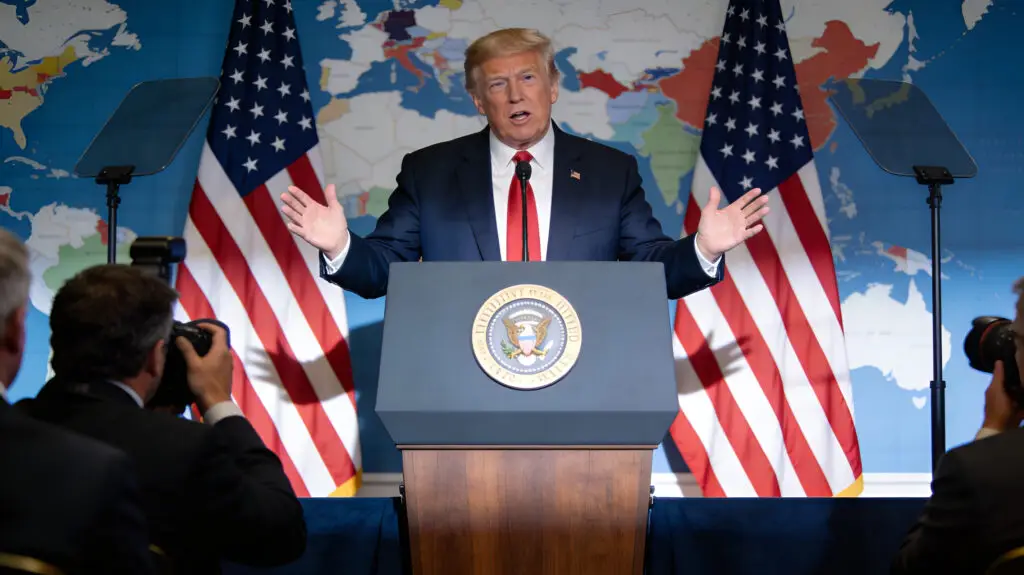
Donald Trump stressed limiting American military involvement abroad at the start of his 2nd term as president. He kept saying that the US should focus on its own problems instead of expensive wars with other countries. This message showed how he had long been against long wars in the Middle East.
Supporters thought the government would focus on diplomacy and economic pressure instead of sending troops to fight in other countries. Trump often said that he was a leader who wanted to avoid getting into wars with other countries that weren’t necessary. His early messages made it seem like the US would take a more cautious and restrained approach to foreign policy.
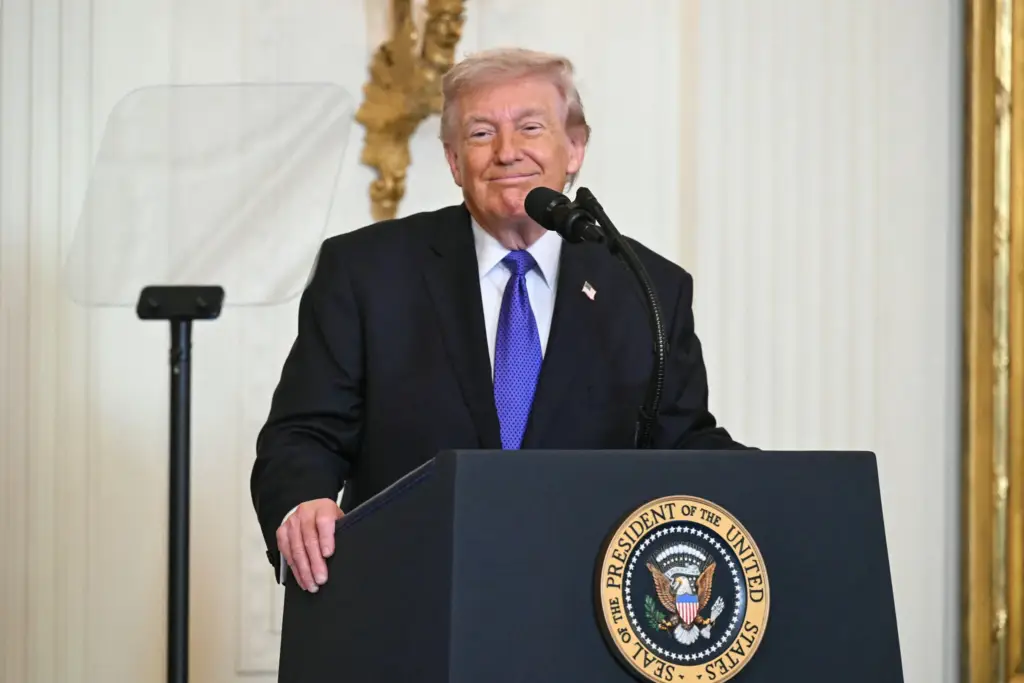
Source: The Times of Israel
Campaign Narrative Focused On Ending Endless Wars
Trump often criticized previous administrations during campaign speeches for keeping troops in long-term wars overseas. He said that American troops had been fighting in other countries for way too long. This story helped him get more support from voters who were tired of expensive wars.
The promise to end wars that never seem to end became a key part of his political message. A lot of supporters thought this was a promise to make American foreign policy more stable. The message made him look more like a leader who doesn’t trust traditional interventionist strategies.
Rising Global Tensions Forced Strategic Messaging Changes
As tensions between countries grew, the government’s messages about military action slowly changed. Officials began to call possible military strikes defensive moves meant to stop bigger threats from happening. The tone of government statements changed to focus more on deterrence and safety.
Political experts say this change showed that the United States was facing more and more difficult geopolitical problems. The administration had to rethink its earlier story of restraint because of conflicts in a number of areas. Messaging more and more focused on protecting national security interests overseas.
Recommended Article: US Accuses Iran of Plotting Assassination Attempt on Trump
US Military Operations Grew in Many Areas
The US started military operations in a number of areas during Trump’s 2nd term. Officials said these actions were limited and focused on dealing with immediate security threats. But the growing operations were a change from earlier promises to be careful.
People who were watching said that the size of the operations grew more than they had thought it would at the start of the term. As tensions rose, military activity spread to more than 1 country. One of the most important parts of the administration’s foreign policy was the widening campaign.
Largest Military Operation Targeted Iran During Conflict
The biggest thing Trump did as president was launch large-scale military strikes against Iran. Officials said the goal of the campaign was to make Iran’s military infrastructure and strategic abilities weaker. The operation quickly turned into the biggest military action of his 2nd term.
Government officials said the strikes were necessary to get rid of threats and bring stability back to the region. Some people said that the escalation could spread the conflict throughout the Middle East. The operation was a big change from what the administration had been saying about restraint before.
Administration Balanced Deterrence With Promises Of Peace
Even as military operations grew, officials kept stressing the need to avoid long wars. The administration’s statements made it clear that force was used to stop future aggression. Leaders said that taking strong action could eventually keep the peace and stability.
The administration’s public communication strategy was based on this balance between deterrence and peace messaging. Officials tried to explain military decisions while keeping their earlier promises to be careful. The way it was done showed how hard it is to deal with complicated international conflicts.
Analysts Say Messaging Reflects Changing Global Pressures
Experts think that the changing story reflects how quickly the world’s security situation is changing. When international crises get worse, political leaders often change how they talk about things. Governments often have to explain changes in policy when new things happen.
Analysts say Trump’s messages about war show how political communication changes during big wars. Leaders need to talk to both people in their own country and allies around the world at the same time. As tensions rise around the world, the administration’s story may keep changing.