



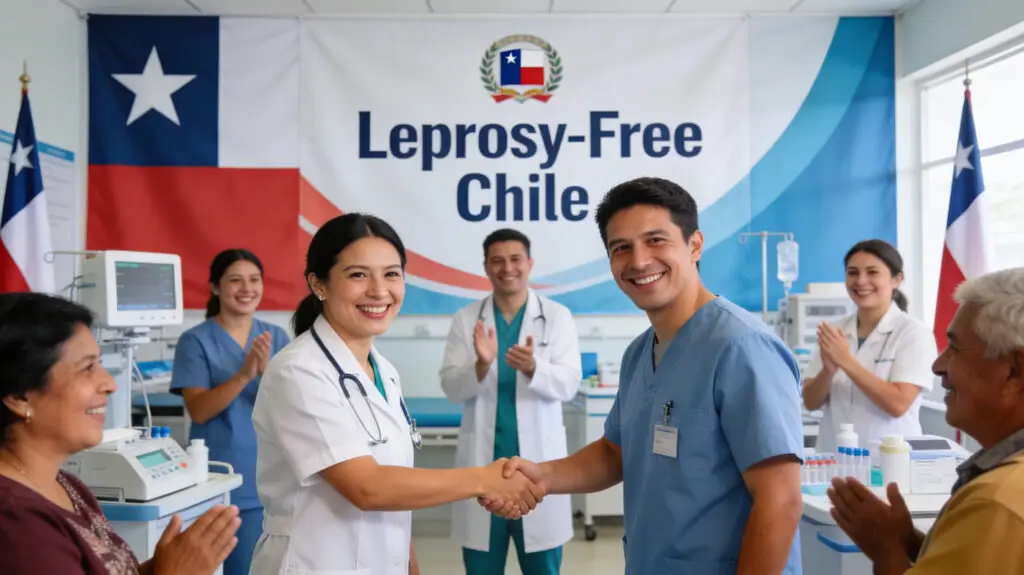
Chile Reaches a Historic Public Health Milestone
Chile is the first country in the Americas to be officially confirmed as having gotten rid of leprosy. The World Health Organization and the Pan American Health Organization both confirmed the recognition. It is a big step forward in the fight against disease around the world.
The verification recognizes more than 30 years of consistent medical vigilance and public health policies. Since 1993, there have been no cases of leprosy in Chile that were acquired locally. Even though this was a success, the disease was still being watched closely by the national health system.
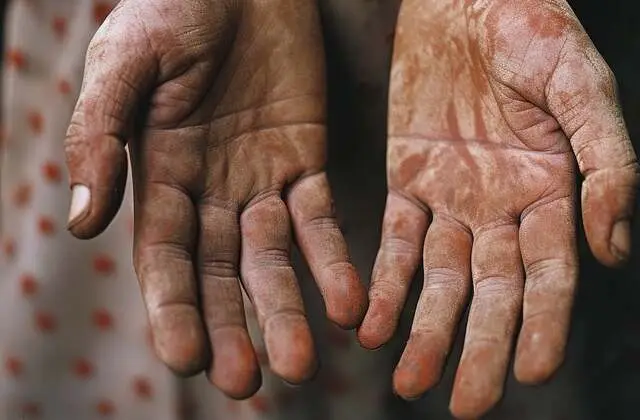
Source: usnews.com
WHO Confirms Removal After a Separate Review
Chile’s Ministry of Health asked international health authorities to do a thorough review. A group of independent experts looked over national health data and surveillance systems as part of the evaluation. The panel confirmed that the disease was no longer spreading in the area.
The experts looked at case management strategies, epidemiological records, and plans for long-term sustainability. Their research showed that Chile’s health system can still find and deal with new cases. This check makes sure that the elimination can last over time.
Leprosy Was Once Present in Rapa Nui Region
In the late 1800s, leprosy first showed up in Chile on Rapa Nui. Easter Island, a remote island in the Pacific, also had a few small outbreaks. To stop the disease from spreading, health officials put strict measures in place for isolation and treatment.
Over time, better medical care and monitoring slowly stopped the spread of the disease in the area. In the late 1990s, the last secondary cases were reported in the island region. Since then, there have been no infections spread locally in Chile.
Recommended Article: US Pressure Forces Nations to Cut Cuban Medical Missions
Continued Monitoring Prevented Disease Return
Even though the disease stopped spreading decades ago, Chile never took leprosy off its public health agenda. Authorities kept mandatory reporting and nationwide integrated surveillance programs in place. Medical professionals were still trained to find and treat possible cases.
From 2012 to 2023, the country reported 47 cases. All of these infections came from other countries, not from people in the area. The disease didn’t spread any further because it was found early and treated quickly.
Integrated Health System Aids in Early Detection
A coordinated network of primary care and specialized medical services makes up Chile’s health system. Patients who think they might have symptoms go to primary care centers first. Cases are quickly sent to dermatology specialists for diagnosis and treatment.
The system stresses early intervention and preventing disability by getting medical care on time. Patients also get long-term follow-up care and physiotherapy rehabilitation. This all-encompassing method encourages complete healing and social integration.
International Support Helped Keep Access to Treatment
Chile’s plan to get rid of diseases relied heavily on cooperation between regions. Since 1995, health authorities have made sure that people can always get multidrug therapy. International partnerships helped give patients free medicine.
Groups like Novartis and The Nippon Foundation helped pay for these treatment programs. Patients got better and the disease didn’t spread any more because they could easily get their medicine. These programs helped keep the efforts to get rid of diseases going, along with strong national health policies.
Chile’s Success Offers Model For Other Nations
Health officials say that Chile’s success shows that it is possible to get rid of diseases that are not getting enough attention. Strong surveillance systems, political will, and health services that are open to everyone are still very important. The milestone also shows how important it is to stay alert even after the transmission is over.
Chile will keep an eye on possible cases and send data to global health agencies in the future. Authorities also want to make sure that medical professionals keep their clinical skills up to date. Other countries trying to get rid of leprosy around the world may be able to learn from what this country has done.