


Oil Prices Fall Sharply After Trump Says War Is Over
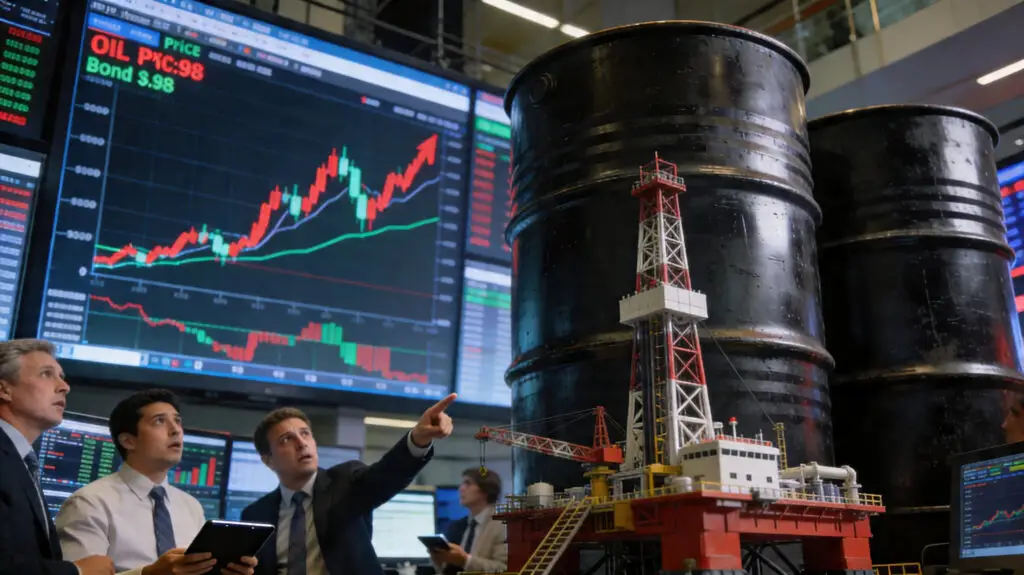
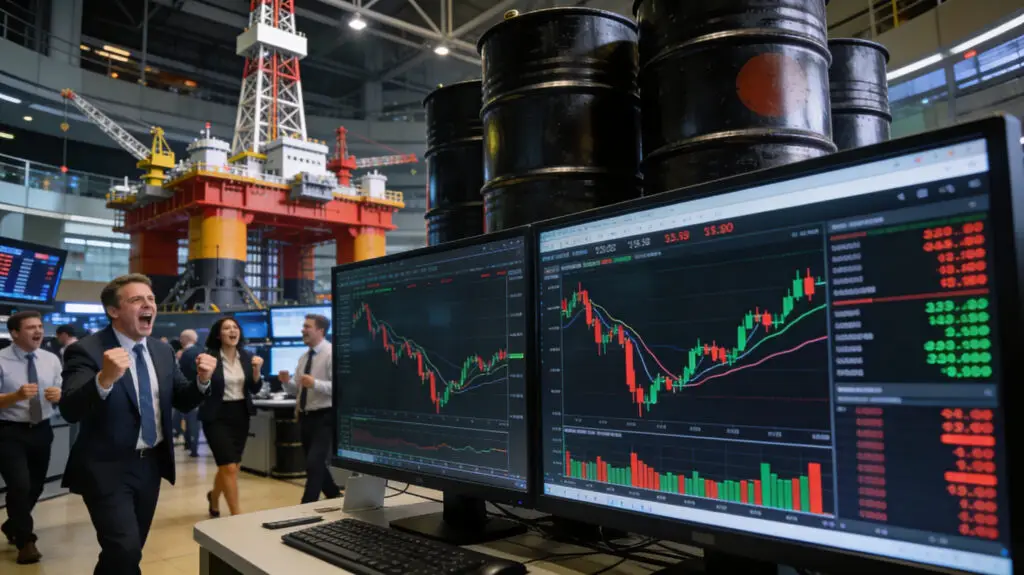
After US President Donald Trump said the conflict with Iran might soon end, oil prices around the world fell sharply. On Monday, crude prices rose close to $120 per barrel because people were worried about supply problems lasting a long time. After Trump spoke, the markets reacted quickly, and oil prices fell back toward the $90 level.
Even though energy prices have dropped sharply, they are still much higher than they were before the conflict started. Investors are still cautious because geopolitical tensions can quickly throw off global supply chains and energy transportation routes. Even a short period of uncertainty about oil exports can have a big effect on global commodity markets.
Source: Reuters
Energy Markets React To Geopolitical Statements And Risks
Trump said that the fighting seemed to be almost over and called the military action a short-term operation. But he also told Iran not to block the Strait of Hormuz, which is still very important for shipping oil around the world. The US could respond with stronger military action if anyone tried to stop traffic on the route.
Iran said that if tensions rise even more, its military would not let oil exports from the area happen. These kinds of statements make things more uncertain in energy markets that keep a close eye on political events. So, traders still react to both military events and political statements that have an effect on global supply.
Strait Of Hormuz Remains Critical For Global Oil Supply
The Strait of Hormuz is one of the most important shipping lanes for energy markets around the world. About 1/5 of the world’s oil supply passes through the narrow waterway that connects the Gulf region. Any disruption to shipping traffic can cut the amount of oil available around the world by a lot in just a few days.
Since the fighting started more than a week ago, shipping through the passage has slowed down a lot. Less traffic makes people worry about possible shortages that could affect international energy markets and fuel prices. The route is very important for the economy around the world because of its strategic location.
Recommended Article: Israel Deepens Economic Ties With India on Trade Goals
Global Stock Markets Rally As Energy Prices Retreat
After oil prices fell from their earlier highs, stock markets around the world rose sharply. The FTSE 100 index in London went up about 1.9% as investors reacted positively to falling energy prices. When fuel prices go down, inflation pressures often go down as well. This can help the economy and the stock market.
European markets followed the trend of recovery that was seen earlier in Asian and American stock markets. The Dax index in Germany went up about 2.6%, and the Cac 40 index in France went up about 2.1%. These gains show that investors are becoming more confident after worries about major energy supply disruptions lessened.
Asian Markets Recover Following Earlier Investor Panic
Earlier trading sessions in Asia also showed a strong recovery after big losses due to rising energy prices. The Nikkei 225 index in Japan went up about 2.9%, which made up for some of the drop from the day before. The Kospi in South Korea did even better, going up about 5.4% during the session.
Asian markets had dropped sharply before because people were worried about inflation and possible interest rate hikes. Higher energy prices usually make transportation and manufacturing more expensive in economies around the world. So, investors were happy to see signs that oil markets might settle down if tensions between countries ease.
Energy Experts Warn Markets Remain Highly Volatile
Even though there is some temporary relief, energy analysts say that oil markets are still very sensitive to new developments. Experts say that right now, there is a tug of war between geopolitical risk and hopes for less conflict. If new problems threaten supply from the Middle East, prices could quickly go up again.
Oil markets have always reacted strongly to events that affect transportation infrastructure or production facilities. Even rumors about possible problems can make prices in commodity markets change quickly. Traders are still keeping a close eye on what’s going on because volatility is still high.
Governments Consider Strategic Oil Reserve Options
Leaders from G7 countries recently discussed the possibility of releasing oil from strategic reserves to stabilize markets. When geopolitical crises threaten the security of the world’s energy supply, these kinds of emergency measures are sometimes used. But policymakers are still careful because strategic reserves are only a small amount of emergency resources.
Energy experts say that governments could be in trouble if they use reserves too soon and problems keep happening. It can take a lot of time and money to rebuild reserves after stockpiled oil is released. So, governments need to find a balance between short-term market stability and long-term energy security.