


G7 Leaders Meet in an Emergency to Talk About Oil Prices
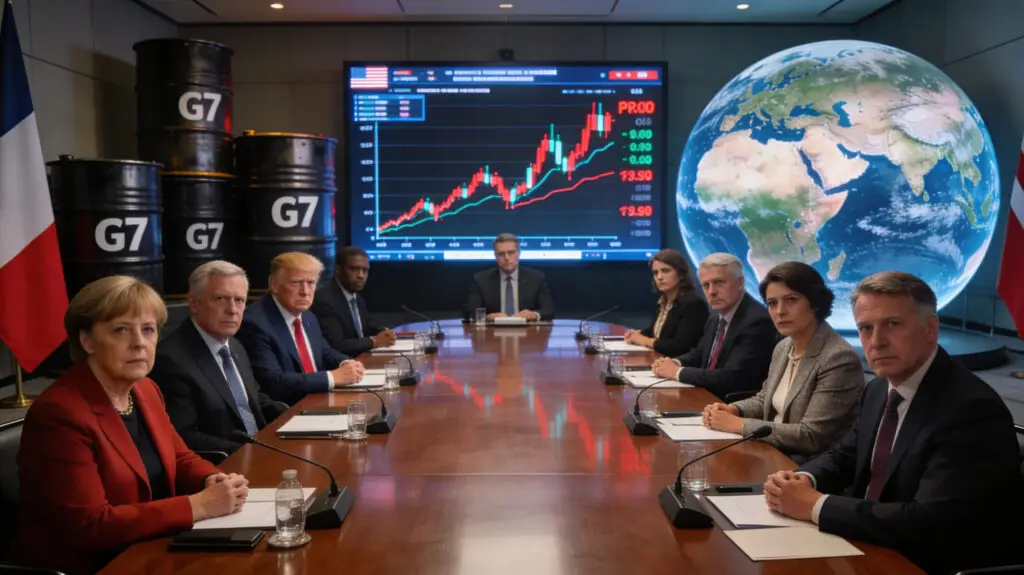
As oil prices around the world rise sharply, finance ministers from the G7 will meet in an emergency. The meeting’s goal is to look at the economic risks that come from the growing conflict with Iran. Officials are getting more and more worried about problems that are affecting global energy supply routes.
The finance ministers of major industrialized countries, like the UK, will be at the emergency talks. The main topic of conversation will be how rising energy prices affect the economy. Governments are worried that long-term instability could hurt the world’s financial markets.

Source: International Relations – Website
Oil Prices Jump Toward $120 Amid Supply Fears
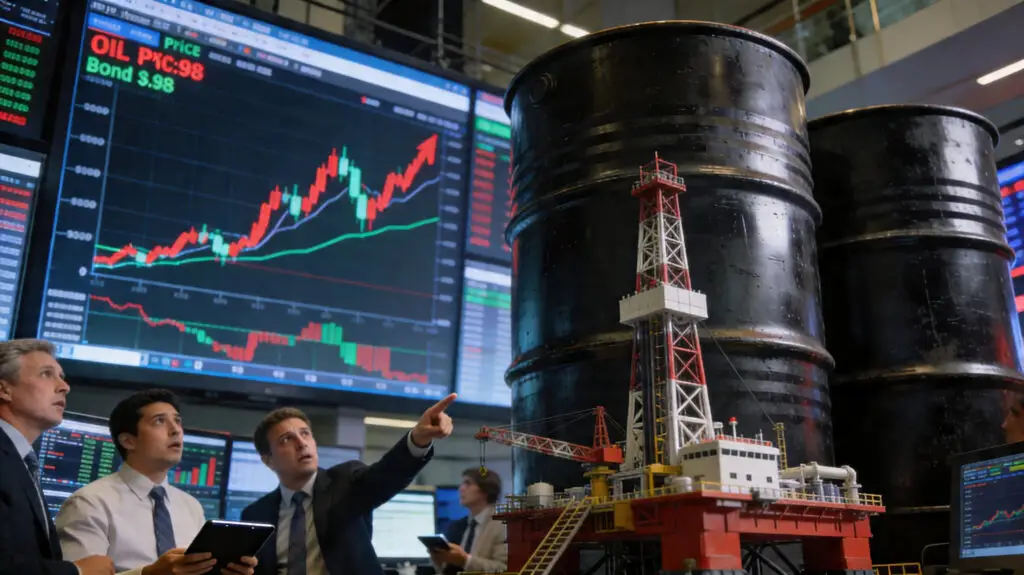
After attacks on energy infrastructure in Iran and nearby areas, crude oil prices shot up quickly. Brent crude went up to almost $120 per barrel for a short time on Monday morning. The spike shows that people are more worried about problems with energy supplies around the world.
Energy traders are still keeping an eye on what’s going on around the Strait of Hormuz shipping lane. About 20% of all oil shipments around the world usually go through this narrow waterway. Military escalation has made traffic on the important route go down a lot.
Global Stock Markets Slide as Investor Anxiety Grows
Investors reacted to the sudden rise in oil prices by selling off stocks in many parts of the world. Around 1.3% of the UK FTSE 100 index fell in the first few hours of trading. As uncertainty grew, European markets also lost ground.
The DAX index in Germany fell by 1.6%, and the CAC 40 index in France also fell by a lot. Asian markets lost more money earlier in the trading session. The Nikkei 225 index in Japan fell by more than 5%.
Recommended Article: US Accuses Iran of Plotting Assassination Attempt on Trump
Strategic Petroleum Reserves Could Be Released
Officials are talking about the chance of letting oil out of strategic petroleum reserves. The International Energy Agency might help member countries work together to release oil. These kinds of actions are meant to keep energy markets stable when there are problems with supply.
This would be the first time since 2022 that reserves were released in a planned way. At that point, governments stepped in after Russia invaded Ukraine. Strategic reserves can temporarily boost the amount of oil available around the world.
Rising Energy Costs Could Trigger Global Inflation
Higher oil prices could quickly lead to higher prices in other areas of the world economy. Energy prices have an effect on food supply chains, transportation, and manufacturing all over the world. Economists say that inflation could go up if energy prices stay high.
If inflation starts to rise again, central banks may be careful about how they respond. In these kinds of situations, expectations for interest rate cuts could be pushed back. Higher interest rates could slow down the economy.
Gas Prices Surge Alongside Oil Market Turmoil
Prices for natural gas have also gone up because of geopolitical tensions. During the first few hours of trading on Monday, UK gas prices for delivery in a month went up by almost 25%. Prices did go down later, but they are still much higher than they were before.
Since the conflict with Iran started, gas prices have gone up by 100%. But they are still lower than the record highs seen during the energy crisis of 2022. Energy markets are still very sensitive to changes in world politics.
Conflict Escalation Continues to Influence Energy Markets
The conflict has gotten worse since new airstrikes on energy facilities in Iran. Iranian troops have also attacked infrastructure in Gulf states that are close by. Military escalation keeps making people worry that there will be bigger supply problems.
Investors are still thinking about how long the war might last. Long-term instability could make it even harder to transport and produce oil. Because of this, the financial markets are still very unstable.