


Energy Markets Quickly Respond to Growing Conflict in Iran
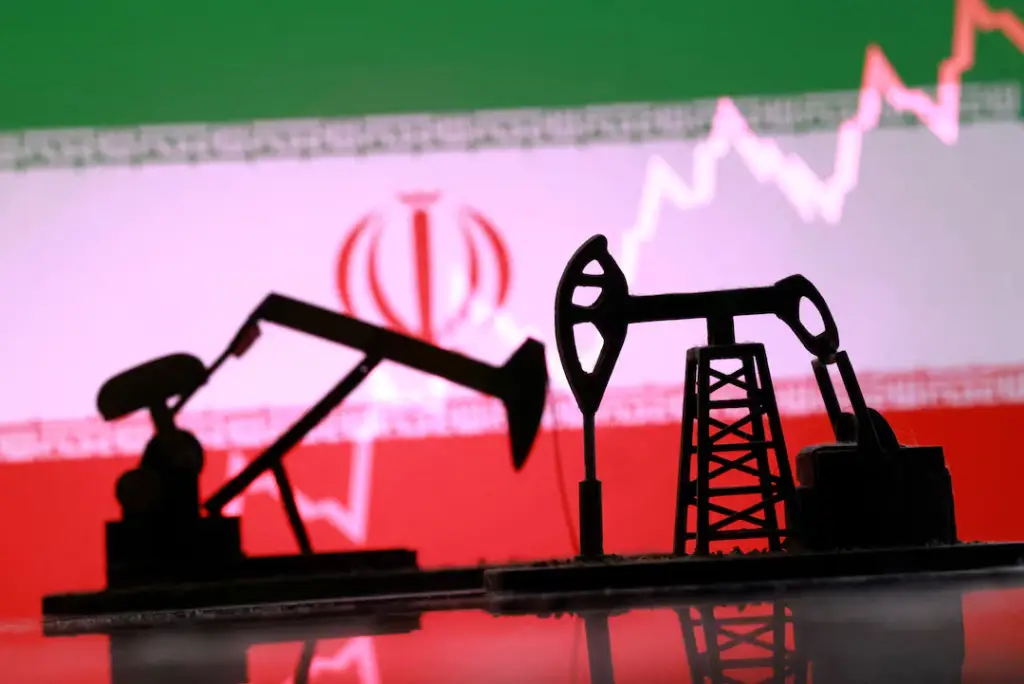
After military strikes raised tensions between the US, Israel, and Iran, energy markets reacted quickly. Investors were worried that global energy supplies would be disrupted, so the price of crude oil went up by about 7%. Futures for natural gas also went up, which shows that people are getting more worried about the situation in international commodity markets.
The conflict has already led to missile and drone strikes in several places in the Middle East. These changes make it even less clear whether the region’s energy infrastructure could be disrupted again. Markets pay close attention to these kinds of events because they can have a big effect on the world economy very quickly.
Source: Reuters
Strait of Hormuz Remains Central Economic Risk
Economists say that the Strait of Hormuz is still the most important economic risk connected to the war. About 25% of the world’s oil that is shipped by sea goes through this narrow shipping lane. Any delay in shipping could immediately affect the availability of oil around the world.
Even small restrictions could cause big price swings in international energy markets. Shipping companies might not want to send tankers through the waterway if the risks to security go up. These kinds of problems would make supplies tighter and quickly raise energy prices around the world.
Gas Prices Expected to Rise for Consumers
When the price of crude oil goes up, the price of gasoline usually goes up too for people in the United States. Experts think that the price of gas could go up by 10 to 30 cents per gallon. The need for transportation and logistics could drive up diesel fuel prices even more.
These price hikes would put more strain on household budgets that are already stretched thin by high living costs. Fuel costs have an impact on shipping, commuting, and manufacturing in many areas of the economy. Because of this, rises in energy prices often have effects on the whole economy.
Recommended Article: Azerbaijan and Iran Sign New Economic Cooperation Agreement
Inflation Impact May Remain Limited Initially
Even though energy prices are going up, economists think that the immediate effects on inflation may not be too big. In the past, geopolitical crises have caused prices to go up for a short time before quickly going back down. Early research shows that the current rise in oil prices is not as big as some past shocks.
The spike is the 38th biggest rise in oil prices since 1990. There were bigger problems during the COVID-19 pandemic and earlier supply problems in the Middle East. Because of this, economic models say that the current rise may not have a big effect on inflation trends.
Strong Economy May Absorb Short Term Shock
Some experts think that the US economy can handle small increases in energy prices without too much trouble. The economy has been able to bounce back from other shocks, like trade tensions and uncertainty about government policy. Recent economic data shows that consumer spending and job conditions are still pretty stable.
According to economic models, even if oil prices keep going up, it may not cause a recession. Simulations with price increases of 10% or 30% show that core inflation doesn’t change much. These forecasts are based on the idea that the conflict won’t have a big effect on long-term energy supply.
Long-Term Conflict Could Raise Economic Risks
Economists say that the economy could change if the war goes on for a long time. Long-term problems could cause oil prices to go up a lot more than they are now. As energy prices go up, people and businesses will lose faith in the economy.
Central banks trying to keep prices stable may also find it harder to make decisions about monetary policy if inflation rises. If inflation rises, policymakers may feel pressure to keep interest rates high. These kinds of things could slow down growth in the world economy.
Global Supply Chain Risks Could Amplify Impact
More geopolitical problems could make the economic effects worse, not just in energy markets. Shipping routes in the Red Sea and other important areas are already at risk of security threats. If more than one disruption happens at the same time, it could put more stress on global supply chains.
Economists say that when shocks happen at the same time, they often have a bigger effect on the economy than when they happen alone. So, the length and geographic spread of the conflict will determine what happens in the long term. As geopolitical tensions change, markets will keep a close eye on what happens.