AI Systems Accelerate Military Strike Planning in Modern Warfare
Artificial intelligence is changing the way the military works by speeding up the planning and execution of modern combat missions by a huge amount. Experts say that new AI systems can look at intelligence and suggest targets much faster than the way people plan things now. Analysts say that this change causes what they call “decision compression” in military command structures during times of war.
Decision compression is when military leaders have less time to look over information before giving the go-ahead for operations. Planning a strike used to be very complicated and could take days or weeks of reviewing intelligence and legal issues. AI systems can help planners make decisions in a matter of minutes or even seconds.

Source: The Guardian
AI Tools Shorten the Military Kill Chain Process
The kill chain framework is a way for military strategists to talk about strike operations. Finding targets, looking at intelligence, giving the go-ahead for attacks, and carrying out strikes with military assets are all parts of the kill chain. Artificial intelligence now speeds up many steps in this process by quickly processing huge amounts of data.
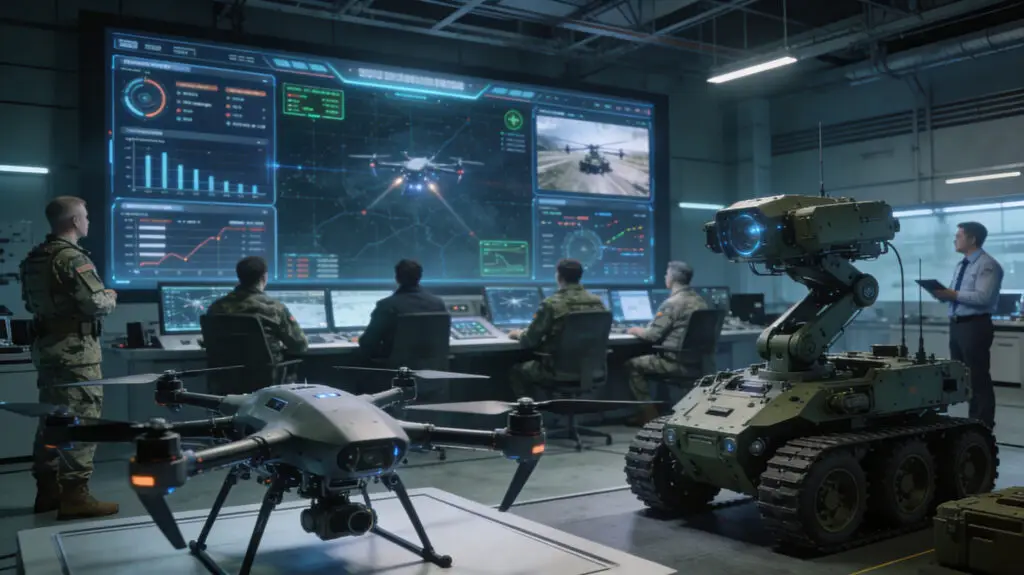
AI systems can quickly look at satellite images, drone surveillance videos, communications intercepts, and intelligence reports. Then, algorithms make suggestions for possible targets and the best weapons for each mission. This automation cuts down on the time it takes to plan operations during military campaigns by a lot.
Hundreds of Strikes Demonstrate AI Assisted Warfare
Reports say that recent military operations involved hundreds of strikes that happened in a short amount of time. Reports say that there were almost 900 attacks in the first 12 hours of operations. Using traditional military planning systems that put people first, it would have been very hard to coordinate things so quickly.
Artificial intelligence platforms help commanders plan and carry out operations at the same time across several targets and areas. These systems look at logistics data and intelligence feeds to suggest attack sequences and operational priorities. This ability lets militaries carry out complicated operations at speeds and scales never seen before.
Recommended Article: Huawei Watch GT 6 Gains Wheelchair Mode In Inclusive Update
Experts Say There Will Be Less Human Oversight
Researchers say that AI may make military decision-making more efficient, but it may also make it less meaningful for people to be involved. When algorithms quickly come up with suggestions, commanders may feel pressure to approve actions in a short amount of time. This situation makes people worry that human review will become less thorough and more superficial.
Some analysts call this cognitive offloading, which means that people rely a lot on conclusions made by machines. When systems do most of the analytical work, decision makers may feel less responsible for what happens. Critics say that this dynamic could make it harder to judge morals during high-pressure military operations.
AI Military Systems Handle Huge Amounts of Intelligence Data
Modern AI platforms look at huge amounts of data, such as satellite images, communications signals, and information from battlefield surveillance. Machine learning models find patterns in intelligence streams that would be too much for a single human analyst to handle. This ability lets militaries quickly make sense of complicated data environments when there is a conflict.
Some defense technologies also look at possible legal issues before suggesting a strike. Systems may automatically look at rules of engagement for the military and international law. These automated evaluations are meant to help commanders while still following the rules set by the law.
Global Military Powers Expand AI Defense Programs
More and more major world powers are putting money into artificial intelligence in their military and defense operations. Research institutions say that AI systems are now used for planning logistics, keeping equipment in good shape, and analyzing intelligence on the battlefield. Military groups see AI as a key technology for future wars.
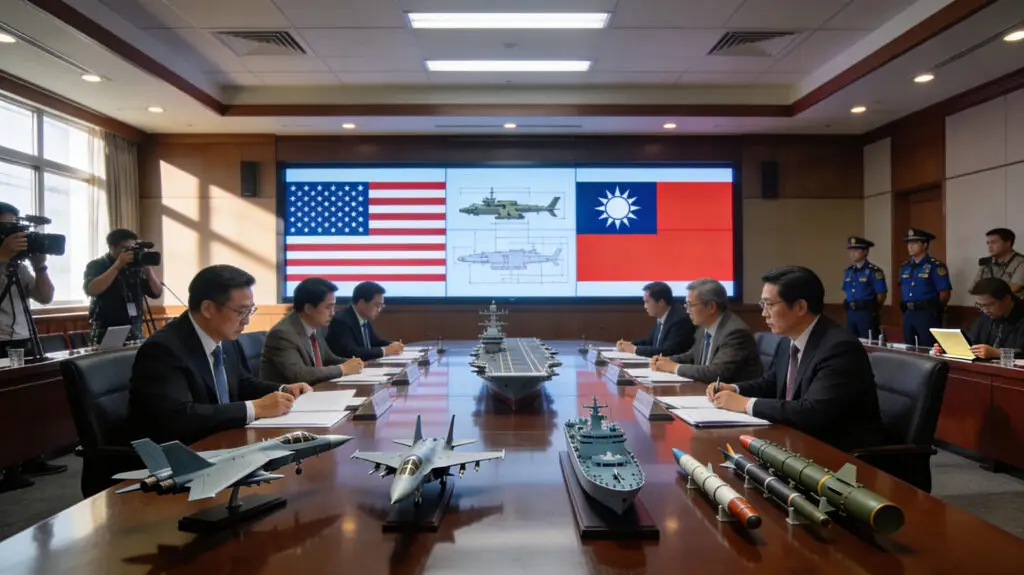
The US, China, and other countries are quickly increasing their research into AI-assisted defense systems. Governments think these systems could give them a big edge in future wars. This global race for technology is speeding up the creation of advanced military AI programs.
Ethical and Strategic Questions Surround AI Warfare
Governments face difficult moral and strategic questions as the use of AI in war grows. Some people say that quicker decision cycles could make conflicts more likely to escalate by accident. When strikes happen quickly, diplomacy may not be able to keep up with military changes.
People who support AI technologies think they can help commanders make better choices by looking at more data. AI systems may help military leaders be more aware of what’s going on by quickly combining large sets of data. Governments are still talking about how AI will change the way wars are fought in the future.