


Oil Prices Rise After Conflict in the Middle East Gets Worse
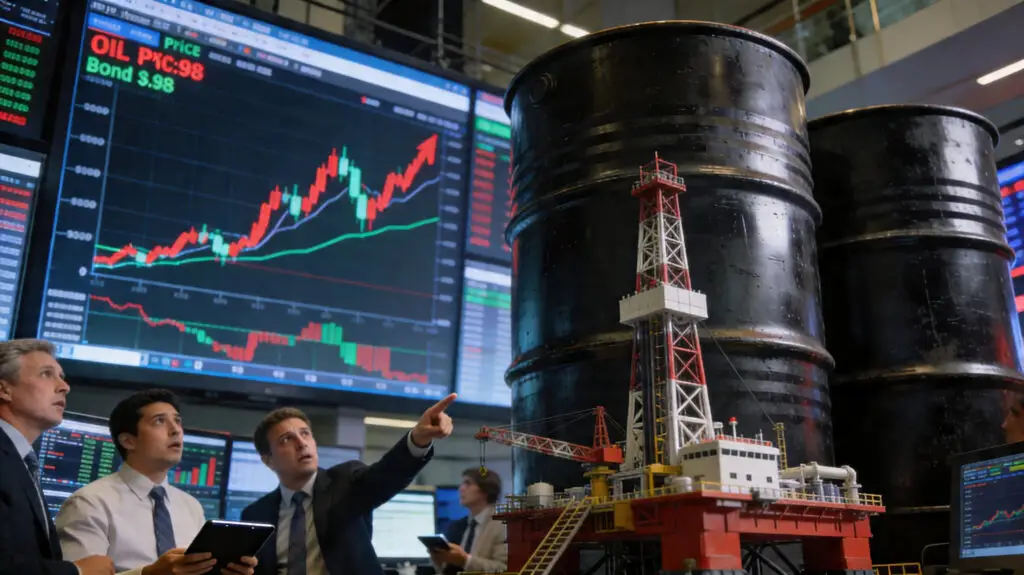
After military strikes made things worse between the US, Israel, and Iran, global oil prices shot up. U.S. crude oil rose by more than 7%, while the international benchmark Brent crude rose by almost 9%. The sudden rise was due to investors’ fears that a long-term conflict could affect energy supply in markets around the world.
Energy traders acted quickly because unstable geopolitics can often put the production and transportation of crude oil at risk. When markets expect supply shortages, even small disruptions can quickly drive up prices. Because of this, the chance of a long-term conflict has made global energy markets more volatile.
Source: AP News
Rising Crude Prices Quickly Impact Gasoline Costs
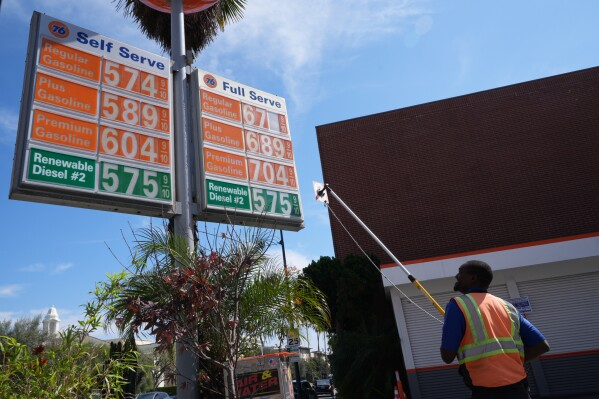
When oil prices go up, gas prices usually go up for people in the US and other places as well. Changes in crude oil prices on global commodity markets often have a direct effect on retail fuel prices. Experts say that for every $1 rise in crude oil, gas prices go up about 2.5 cents.
GasBuddy data showed that the average price of gas in the US went up $0.05 right after the weekend spike. As oil prices started to affect retail markets, the average price went up to about $2.99 per gallon. Analysts said that prices could soon go over $3 per gallon if the price of crude oil keeps going up.
Trump Says War Could Go on for Weeks
President Donald Trump said that the war with Iran might last longer than first thought. Trump said from the White House that U.S. operations could go on longer than planned. Before, officials thought the campaign would last 4 to 5 weeks.
Trump said that American troops can keep fighting for a lot longer than they have been. The possibility of a long-lasting conflict makes people more worried about long-term problems in the global energy markets. Because of this, investors pushed oil prices up during the first few hours of trading.
Recommended Article: Europe and China Struggle to Challenge US Dollar Power
Strait of Hormuz Remains Critical Global Oil Route
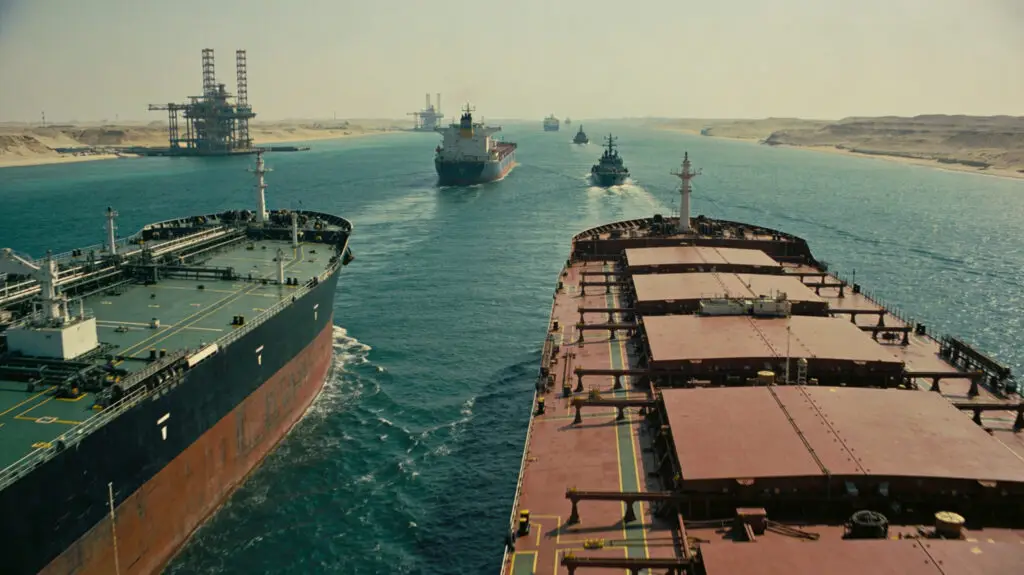
Iran has a lot of power over the Strait of Hormuz, which is one of the most important oil routes at sea. This narrow passageway carries more than 20% of the world’s daily oil supply. Any problems in this corridor can quickly cause prices to change on energy markets around the world.
Even threats to shipping traffic can slow down tankers moving through the area and make the world’s oil supply tighter. Several shipping companies have already moved their ships away from the waterway because of safety concerns. These actions make transportation more expensive and add to the rise in oil prices around the world.
Global Stock Markets React to Energy Price Volatility
The rise in tensions in the Middle East had a big effect on financial markets all over the world. Major stock indexes fell sharply at first as investors moved their money to safer assets and lowered their risk. Uncertainty in the energy market often causes global equity markets to be volatile right away.
Even though they went down at first, U.S. stock markets made up some of their losses later in the trading session. The S&P 500 stayed about the same, but the Nasdaq Composite went up a little by the end of the day. But markets in Europe and Asia fell by a lot more.
Investors Are Moving to Safe Haven Assets
When there are geopolitical problems, investors often move money into assets that are thought to be safer when the market is uncertain. Gold prices went up by more than 2% because traders wanted more traditional safe haven investments. As geopolitical tensions rose, global investors looked for stability, which made the U.S. dollar stronger.
These kinds of changes happen a lot when the financial markets think that international conflicts will lead to long-term economic uncertainty. Geopolitical instability and higher commodity prices can both affect how people around the world invest. Because of this, investors quickly change their portfolios when big geopolitical events happen.
Energy Markets Depend on Conflict Duration
Energy experts say that the future of oil prices will depend a lot on how long the war goes on. Short-term geopolitical shocks often cause prices to rise for a short time before they settle down when tensions ease. But long-term disruptions can cause energy prices around the world to stay high.
In the next few weeks, oil prices may keep going up or level off. This will depend on a number of things. These include problems with supply, shipping conditions, other places where production can happen, and the overall size of the military buildup. When looking at future energy price trends, markets will pay close attention to these factors.