Strait of Hormuz Disruption Threatens Global Shipping Routes
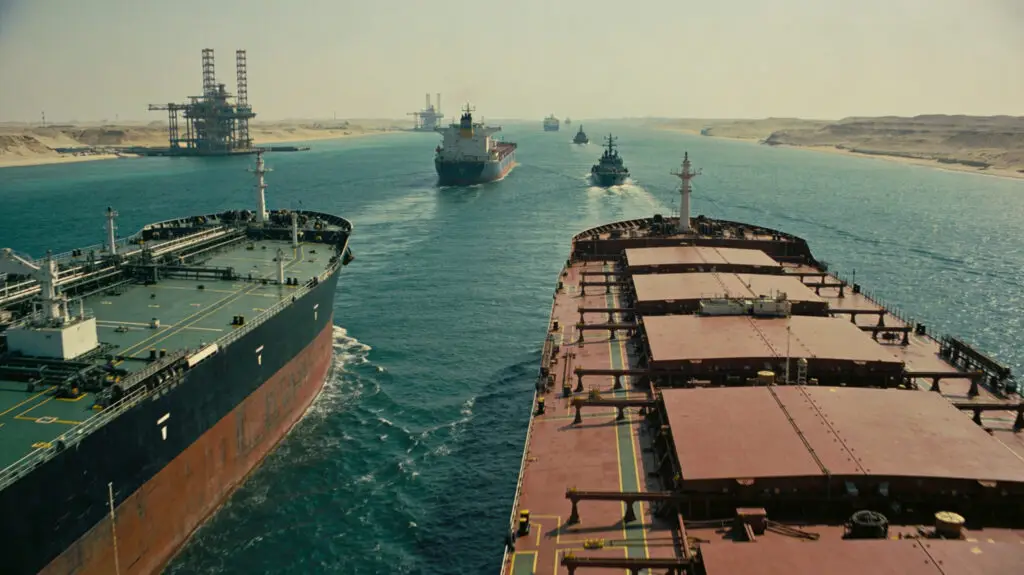
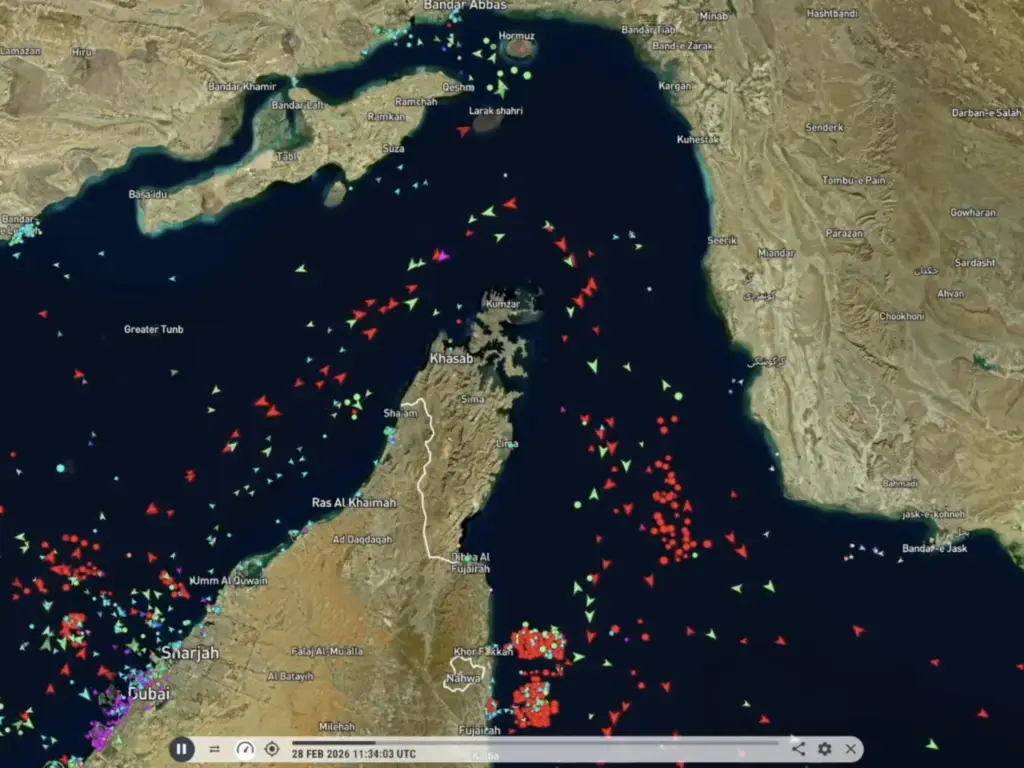
The rising conflict in Iran has made one of the most important shipping routes for global trade less reliable. The Strait of Hormuz is a major shipping route for oil and many other goods. Any problems in this narrow waterway cause immediate worry in the shipping and logistics industries around the world.
Reports say that Iranian officials told ships trying to pass through could face retaliation or military action. Iran can’t officially close the waterway, but shipping companies are too scared to use it because of security threats. Because of this, a number of big logistics companies have stopped or limited bookings in the area.
Source: NPR – Website
Major Shipping Companies Halt Routes Through Conflict Zone
As tensions rose, global shipping companies quickly cut back on their operations in the Persian Gulf corridor. Companies like Maersk, MSC Group, CMA CGM, Hapag-Lloyd, COSCO, and Emirates SkyCargo stopped or limited shipments. These choices are meant to keep cargo ships and their crews safe from possible military threats.
When big shipping companies stop offering services, the effects quickly spread through global supply chains. Companies that move raw materials, consumer goods, and parts for factories depend a lot on maritime trade routes. So, problems in one area can have an effect on business and manufacturing all over the world.
Ships Forced to Reroute Around Southern Africa
The Strait of Hormuz is getting more and more dangerous, so a lot of ships are going around it. Ships that used to have to go through the Cape of Good Hope to get from Asia to Europe or the Americas can now go around it. This other route around southern Africa adds a lot of extra distance and time to travel and delivery.
Longer shipping routes can add weeks to the schedules for moving goods and raw materials around the world. These delays make fewer ships available in global trade networks. Less capacity often means higher shipping costs and more stress on supply chains.
Recommended Article: Global Leaders React Strongly To U.S.–Israel Strikes Targeting Iran
Just in Time Supply Chains Face Major Disruption Risks
Just-in-time logistics are very important to modern supply chains because they help keep inventory levels and storage costs low. For this system to work, materials must arrive exactly when manufacturers need them for production. Shipping delays put the reliability of global manufacturing operations at risk.
The just-in-time model starts to fall apart quickly when transit times go up by a few weeks. In factories all over the world, raw materials might not get there in time for planned production cycles. Because of this, manufacturers might run out of materials, have to wait longer for production to start, and see their costs go up.
Industries From Electronics to Pharmaceuticals Impacted
If shipping delays keep happening in major maritime trade corridors, a number of industries could be affected. Automotive manufacturing and consumer electronics depend a lot on complicated global supply chains. If parts don’t arrive on time, production lines may slow down or stop altogether.
During long shipping delays, drugs and temperature-sensitive goods also have a lot of trouble getting to their destinations. A lot of medicines need to be stored and delivered quickly in very specific ways. Longer transit times could make things harder for hospitals, pharmacies, and medical suppliers to manage.
Rising Oil Prices Add Pressure to Global Economy
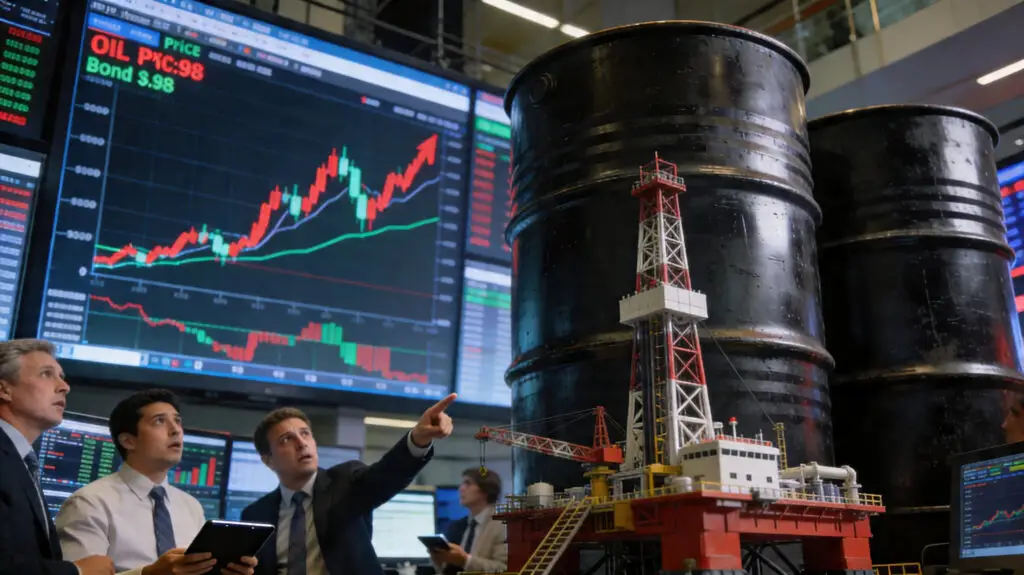
Energy markets have already reacted to the war by raising oil prices sharply. Disruptions in the Strait of Hormuz, which carries huge shipments of oil, could threaten the stability of the world’s energy supply. When crude oil prices go up, gas and diesel prices around the world usually go up too.
Energy inflation can affect economies by raising the costs of transportation and manufacturing. Companies have to pay more to move things, and consumers have to pay more for fuel and goods. If energy prices stay high for a long time, these kinds of economic pressures can slow down global growth.
Insurance Costs Surge as Maritime Risks Increase
Insurance companies are also charging more for ships that work near conflict zones in the Middle East. Brokers say that the cost of maritime insurance could go up by 50% to 100% in the next few weeks. The higher prices are because crews, cargo ships, and international trade routes are becoming more dangerous.
In the end, higher insurance costs make it more expensive to move goods around the world. Shipping companies often charge these costs directly to manufacturers and stores. In the end, consumers may feel the effects through higher prices and fewer products available around the world.