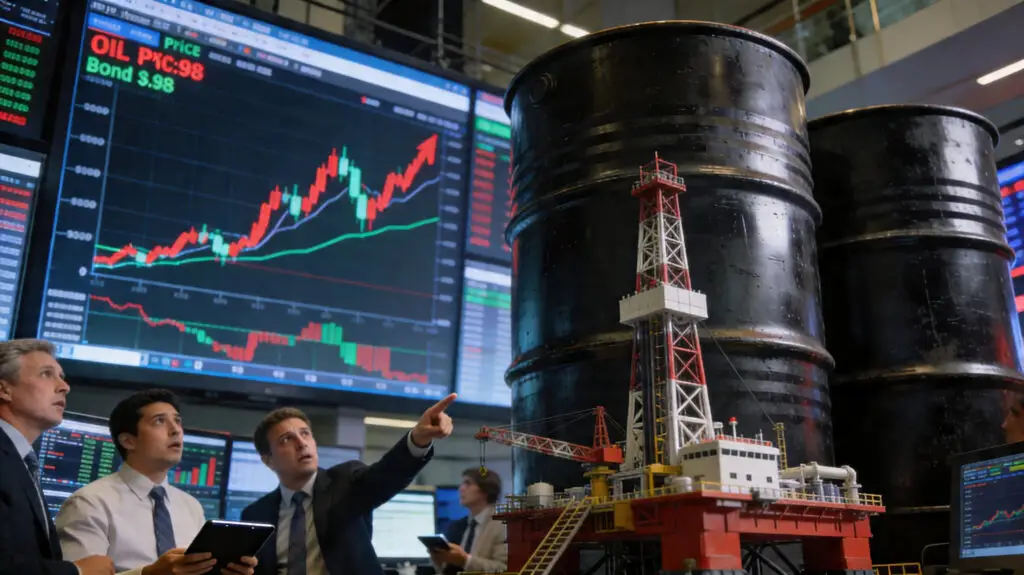




Oil Markets React Strongly to Gulf Disruption
Initially, global oil markets responded cautiously to tensions in the Strait of Hormuz. Prices rose about 10% before further warnings intensified concerns. Comments from Saad al-Kaabi then shifted overall market sentiment.
Since the conflict began, crude oil prices have increased approximately 27%. Brent crude closed near $94, significantly above earlier expectations of $63. Traders now anticipate oil could soon surpass $100.
Source: Business World – Website
Fear of Export Halt Fuels Inflation Concerns
Kaabi warned that Gulf energy exporters could suspend shipments within days. He suggested oil prices might climb to $150 per barrel. Such projections heightened fears of another inflation shock.
Prices for derivative petrochemical products, including jet fuel and fertilizers, are rising. These inputs affect global food production, transportation, and manufacturing chains. Inflationary pressures are spreading beyond energy markets.
Strait of Hormuz Slowdown Amplifies Risk
Although Iran has not formally closed the Strait of Hormuz, traffic has slowed significantly. Insurance premiums increased as shipping firms feared further attacks. The waterway handles roughly 20% of global oil supplies daily.
Disruptions there impact global food, energy, and industrial chemical pricing. Shipping and credit markets are already experiencing strain. Investors are preparing for broader economic repercussions.
Recommended Article: Trump Prioritizes Inflation in State of the Union
Events Outpace UK Economic Forecasts
Earlier this week, the Office for Budget Responsibility projected falling oil and gas prices. Rapid market developments have rendered those forecasts outdated. UK gas prices surged from 74p to £1.35 per therm, nearly doubling.
Government borrowing costs also rose more than anticipated. The 10-year gilt yield approached 4.7% before easing to around 4.6%. UK bonds experienced sharper pressure than many global counterparts.
Bank of England Faces Difficult Policy Decision
Previously, markets expected the Bank of England to cut rates soon. Rising energy costs have complicated that outlook considerably. Persistent inflation could delay planned monetary easing.
Higher oil and gas prices may feed directly into consumer inflation. Policymakers must balance slowing growth with renewed price pressures. The central bank faces a challenging policy environment.
Mortgage Market Already Under Pressure
Mortgage lenders had begun lowering rates in anticipation of easing conditions. That confidence weakened as gilt yields climbed. Banks are now repricing home loans amid growing uncertainty.
A competitive mortgage price war appears unlikely in current conditions. Borrowers could face higher monthly payments if volatility persists. Housing affordability risks may intensify.
Strategic Economic Impact of Prolonged Conflict
Attacks on Gulf energy infrastructure appear increasingly coordinated. Facilities in Bahrain, Qatar, Kuwait, and near Dubai have faced threats. Geopolitical objectives appear intertwined with economic disruption.
If tensions endure for weeks or months, global inflation risks will increase. The energy-driven price wave could affect households worldwide. The duration of instability will determine the scale of economic damage.