Democratic Attorneys General Work Together to Fight the Law
More than 50 lawsuits have been filed against Donald Trump by Democratic attorneys general. They argue that the administration repeatedly exceeded constitutional limits through executive actions. Coordinated litigation has become their primary strategy against perceived federal overreach.
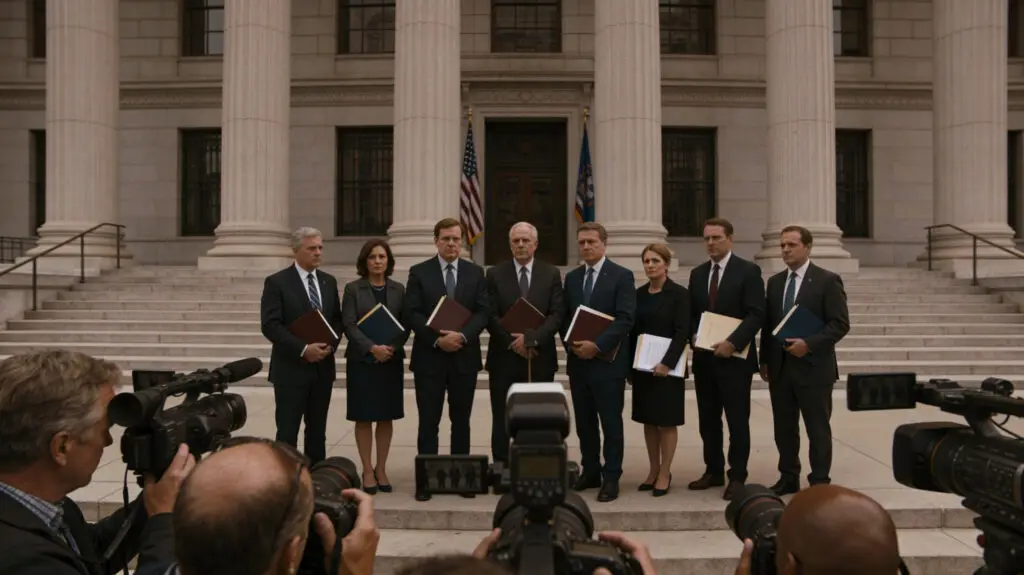
Attorneys general from states such as New York and California frequently lead filings. Joint press conferences often accompany announcements of new legal challenges. The coalition views itself as a defender of constitutional principles.
Highly Effective at Stopping Federal Policies
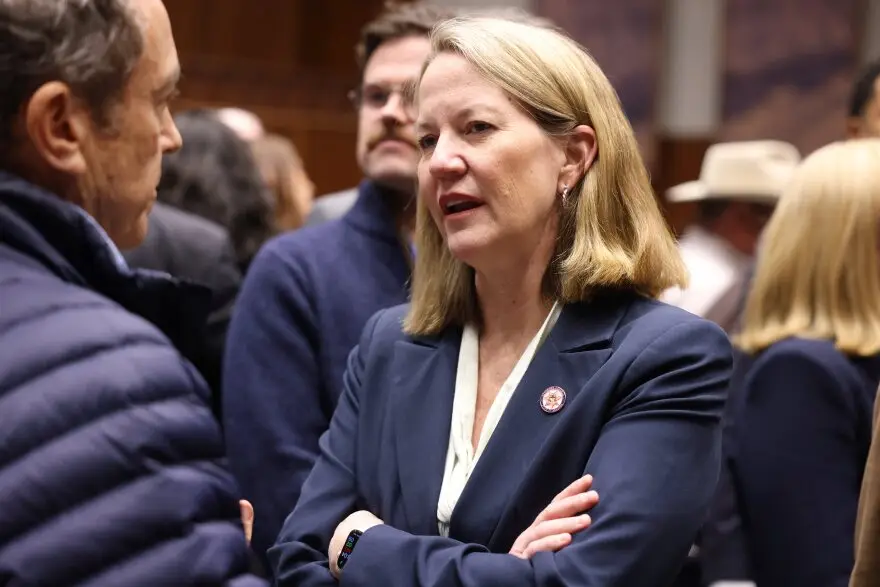
Arizona Attorney General Kris Mayes said about 80% of cases secured temporary restraining orders. Courts have paused policies affecting food benefits and education funding. Several injunctions halted measures impacting healthcare and job training programs.
Minnesota Attorney General Keith Ellison described many actions as clearly unlawful. He argued that even first-year law students could identify constitutional violations. High success rates indicate judicial skepticism toward challenged executive actions.
Source: KJZZ – Website
Preparation Began Before Second Term Started
Attorneys general began planning strategies before Trump returned to office. They reviewed policy proposals, including Project 2025, to anticipate legal challenges. Immigration, LGBTQ+ rights, and federal funding were central topics.
Responsibilities were divided based on expertise and available resources. Larger offices in California and New York provided substantial staffing support. Smaller states contributed through coordinated filings and joint legal research.
Recommended Article: US and Israel Strikes on Iran Spark Global Tension Concerns
Birthright Citizenship Order Triggered Immediate Lawsuit
Trump’s executive order attempting to end birthright citizenship prompted instant legal action. Courts quickly blocked the measure pending further review. The US Supreme Court is scheduled to hear the case in April.
Democratic attorneys general framed the lawsuit as protection of constitutional rights. Their argument focused on citizenship guarantees under the 14th Amendment. Rapid response demonstrated readiness for extended legal battles.
Republican Attorneys General Largely Absent From Challenges
Democratic attorneys general criticized Republican counterparts for not joining the lawsuits. They argued that funding cuts and tariff disputes also affect Republican-led states. GOP leaders have instead defended Trump’s policies.
The Republican Attorneys General Association accused Democratic AGs of political motivation. Spokesperson Adam Piper described the lawsuits as partisan attacks. Policy disputes are increasingly shaping statewide attorney general elections.
Public Engagement and Outreach Expand Through Town Halls
Attorneys general held town halls nationwide to gather evidence and build public support. Events often attracted large, engaged audiences. Officials used these forums to explain ongoing legal strategies.
Video conferences occur up to 2 times weekly among participating offices. Staff from multiple states coordinate daily to share updates. Communication networks enable unified responses to federal actions.
Ongoing Fight Reflects Broader Constitutional Debate
Massachusetts Attorney General Andrea Campbell said Democratic AGs hold crucial responsibilities. She emphasized that proactive litigation protects residents and economic stability. The coalition sees itself as safeguarding the rule of law.
As federal–state tensions intensify, courts remain the primary arbiters. Injunction limitations introduced in 2025 reduced access to universal relief. Despite this, Democratic attorneys general continue leading legal resistance efforts nationwide.