


AI Integration to Boost Jobs and the Economy
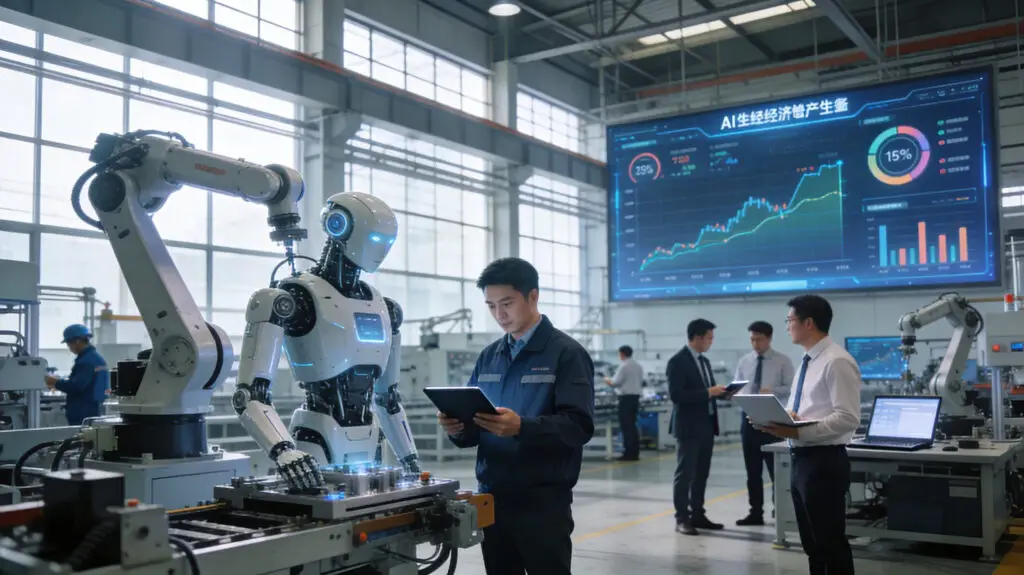
China is exploring broader artificial intelligence integration across industries to stimulate job creation. Policymakers aim to align technological advancement with inclusive and sustainable economic growth. Officials believe AI can both enhance traditional roles and generate new employment opportunities.
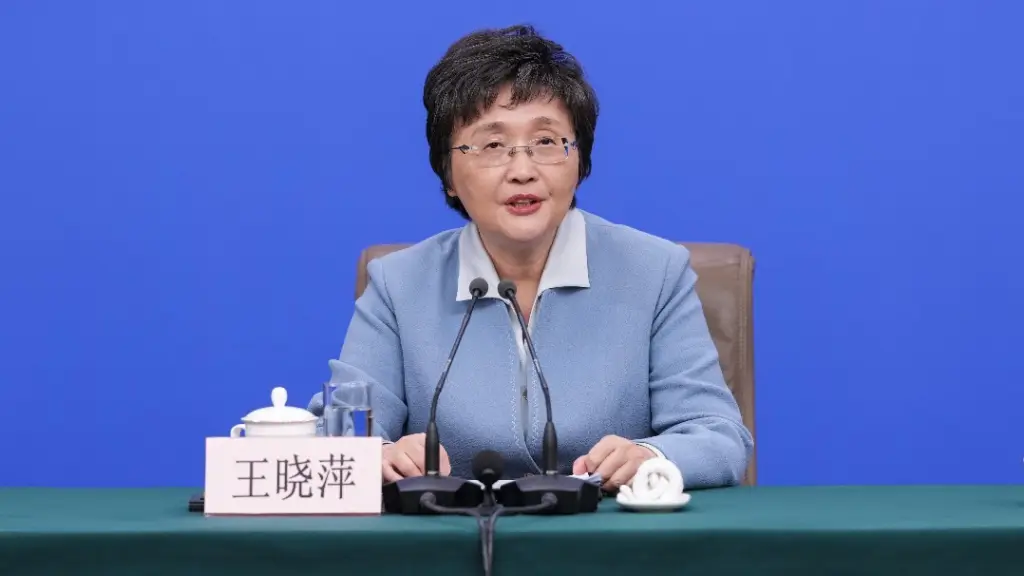
At a press conference in Beijing, Wang Xiaoping outlined key priorities for stabilizing employment. She emphasized balancing social welfare objectives, industrial development, and innovation strategies. Authorities view AI as a catalyst for productivity gains and structural economic transformation.
Source: China Daily – Website
Job Stability During the 14th Five-Year Plan Period
Employment faced pressure during the 14th Five-Year Plan from 2021 to 2025. Despite global uncertainties, coordinated policies helped maintain overall labor market stability. Industrial supply chain resilience and domestic demand supported nationwide job retention.
Government stabilization programs played a central role in sustaining employment levels. Targeted fiscal and regulatory adjustments enabled businesses to adapt to external shifts. Officials remain optimistic about long-term labor market prospects despite ongoing structural transitions.
Policies to Promote Full Employment and High-Quality Work
The Ministry of Human Resources will strengthen guidance on employment-centered development frameworks. Initiatives will encourage job creation in both emerging and traditional sectors. Authorities plan to implement year-round employment support programs.
These policies aim to align workforce skills with modernization objectives. Reducing mismatches between labor supply and industry demand remains a core priority. Strategic planning focuses on expanding high-quality and inclusive employment nationwide.
Recommended Article: Pope Leo XIV Warns Priests Against Using AI For Sermons
Supporting Labor-Intensive and Emerging Industries
China will continue supporting labor-intensive sectors such as construction, foreign trade, and catering. These industries remain critical employment sources for large segments of the population. Stabilizing them is considered essential for short-term labor security.
Simultaneously, policymakers will expand digital economy, advanced manufacturing, and modern service industries. These sectors are expected to generate higher-value employment opportunities. The dual-track approach balances immediate stability with structural advancement.
Expanding Opportunities for Graduates and Migrant Workers
An estimated 12.7 million college graduates will enter the labor market this year. Youth employment remains a key priority for economic and social stability. Large-scale internship and training programs will support workforce readiness.
Migrant workers will receive targeted employment services and legal protections. Authorities aim to ensure timely wage payments and fair working conditions. Strengthened labor regulations will reinforce worker rights across regions.
Skills Training for Middle-Aged and Older Workers
Policymakers recognize the need to assist middle-aged and older workers adapting to technological shifts. Expanded skills training programs will help them remain competitive in evolving industries. Continuous education initiatives support longer workforce participation.
AI-driven transformation is expected to alter required competencies across multiple sectors. Proactive retraining efforts reduce structural unemployment risks. Workforce adaptability is viewed as essential for long-term economic resilience.
Nationwide Job Fairs and Incentive Programs Expand
China has organized nationwide job fairs offering approximately 22 million positions this year. Additional recruitment events and employment services are planned throughout the year. Authorities intend to maintain strong labor market engagement.
Employer subsidies and preferential loans for entrepreneurs will further encourage hiring. These financial incentives aim to stimulate workforce expansion and business participation. Officials believe coordinated measures will improve livelihoods while supporting technological modernization.