

Leaders Stress Common Goal of Increasing Economic Cooperation
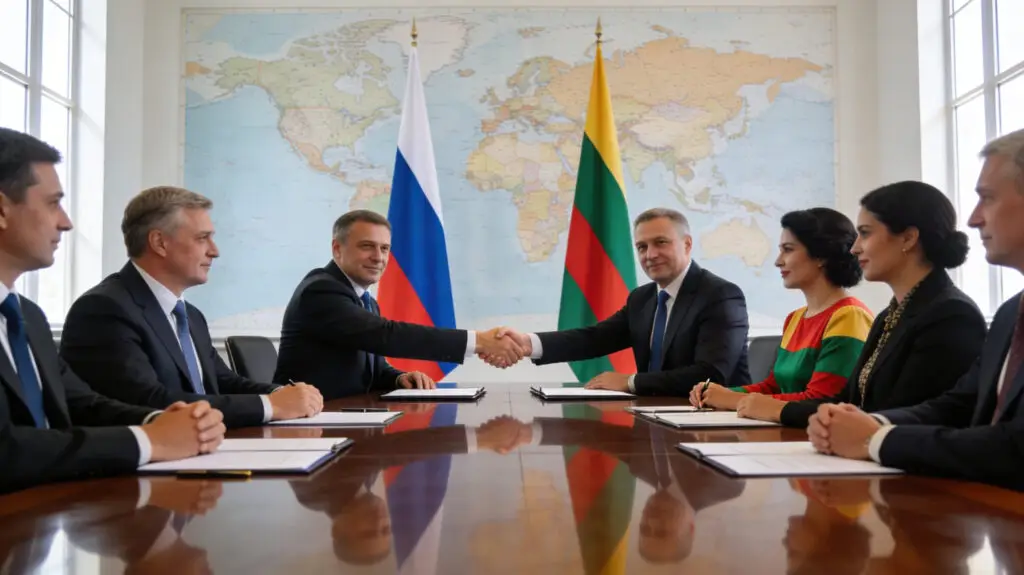
Officials from Russia and Madagascar reaffirmed their commitment to strengthening long-term economic relations. Discussions focused on practical development initiatives extending beyond routine diplomatic exchanges. Both governments emphasized cooperation in strategically important sectors.
Diplomats described the meetings as constructive, highlighting shared economic priorities. Delegations expressed readiness to accelerate joint programs across multiple industries. The dialogue reflected growing integration in bilateral economic engagement.
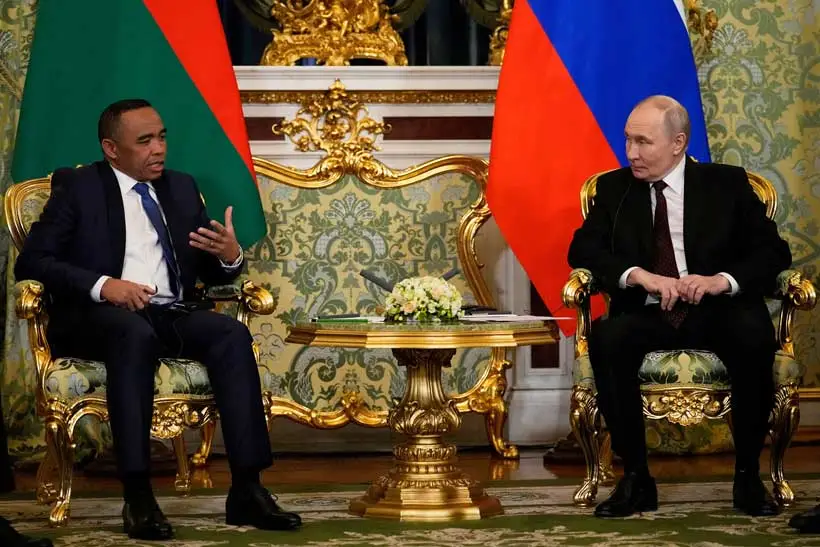
Source: Modern Diplomacy/Website
Trade Expansion Remains Central to Strengthening Bilateral Relations
Expanding trade volumes was identified as a primary objective for future cooperation. Madagascar aims to boost exports of vanilla, agricultural products, and raw materials. Russia seeks to supply machinery, energy equipment, and processed industrial goods.
Enhanced trade flows are expected to support broader economic diversification strategies. Leaders underscored the importance of reliable supply chains benefiting both economies. Negotiators discussed reducing barriers to encourage sustainable commercial growth.
Infrastructure Investment Emerges as Major Area for Collaboration
Russian representatives outlined investment prospects aligned with Madagascar’s infrastructure modernization goals. Proposed areas include transportation systems, energy development, and industrial expansion projects. Madagascar is seeking foreign capital and technical expertise to advance modernization efforts.
Such investments could stimulate economic growth and improve essential public services. Officials view infrastructure partnerships as foundational to long-term bilateral ties. Transparency and mutual benefit were highlighted as guiding principles for implementation.
Recommended Article: Kansas Economy Grows Strongly as Population Growth Lags
Agricultural Cooperation Aims to Boost Productivity and Food Security
Agriculture featured prominently due to Madagascar’s strong commodity sector. Joint initiatives may target higher crop yields, improved processing capacity, and expanded export readiness. Both nations expressed interest in building resilient agricultural supply chains.
Strengthening food security remains central to Madagascar’s development strategy. Russia indicated willingness to assist with agricultural modernization. Cooperative programs could enhance rural productivity and broaden market access.
Education and Skills Programs Support Long-Term Development Goals
Diplomats discussed expanding educational exchanges and vocational training partnerships. Cooperation aims to develop human capital essential for sustained economic transformation. Both sides stressed the value of sharing scientific expertise and technical knowledge.
Potential initiatives include scholarships, workshops, and collaborative research opportunities. Skills development programs are intended to prepare workforces for evolving industry demands. These efforts reinforce institutional foundations supporting enduring partnerships.
Geopolitical Context Shapes Strategic Importance of New Agreements
The partnership aligns with Russia’s broader engagement strategy across Africa. Many African nations are pursuing diversified economic relationships beyond traditional allies. Madagascar views cooperation as a pathway to deeper global market integration.
Stronger ties with Russia may attract additional foreign investment into Madagascar. Analysts observe that shifting geopolitical dynamics increasingly influence regional development trajectories. Multi-directional partnerships are becoming more significant across the continent.
Future Cooperation Expected to Expand Across Additional Sectors
Officials anticipate further collaboration in mining technology, energy, and manufacturing. Initial agreements provide a framework for more specialized sector partnerships. Long-term strategies aim to deliver sustained economic benefits to both populations.
Both governments expressed optimism about accelerating implementation timelines. Greater private sector involvement is expected to support national development objectives. Continued engagement is projected to deepen diplomatic and economic relations further.