


Inflation Decline Provides Positive Economic Signals For Prime Minister Takaichi
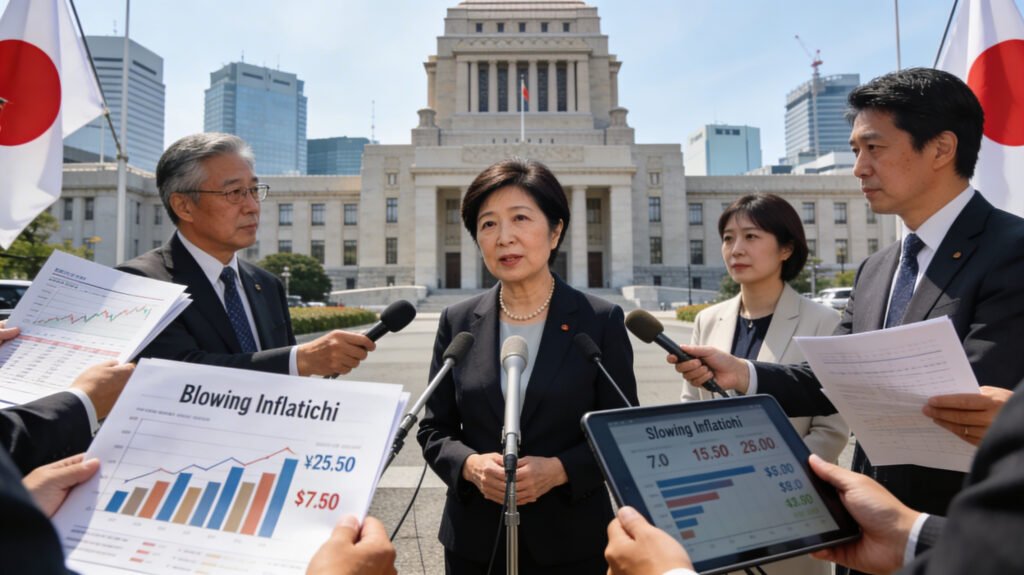
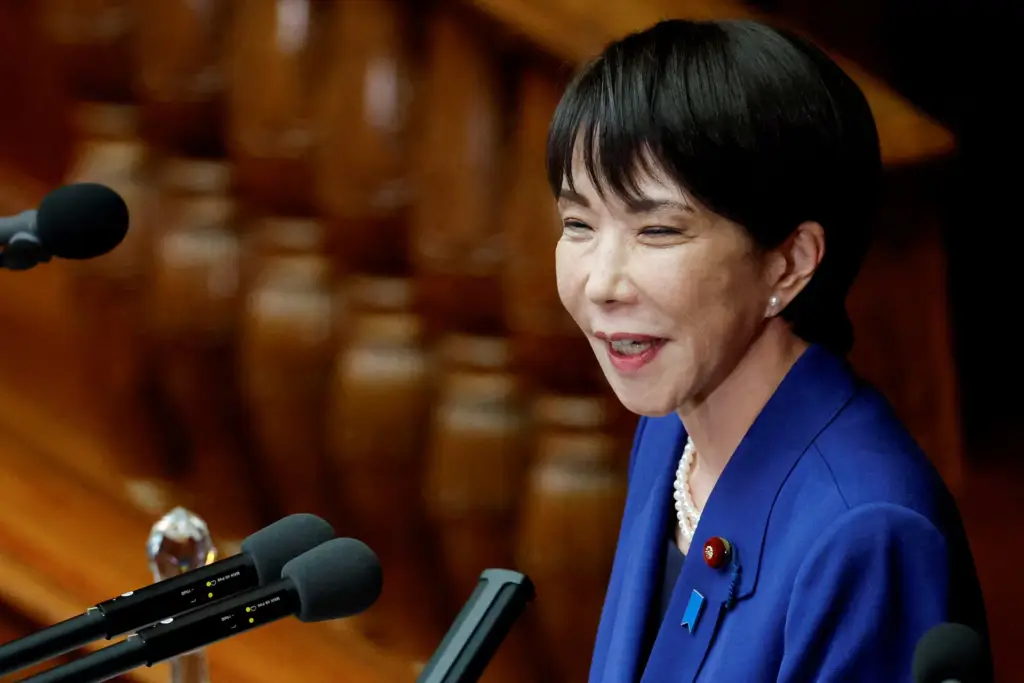
Prime Minister Sanae Takaichi got good news about the economy: inflation is going down in a number of areas. Japan’s core consumer prices went up 2.0% from the previous year, which means that prices are rising more slowly. This change is very much in line with what the market expected and what the government wants to do to stabilize the economy.
Analysts said that the drop is different from earlier high readings that hurt previous governments. Throughout her campaign, Takaichi always talked about controlling inflation. The most recent results give her early policy a lot more credibility.
Source: Reuters
Core Inflation Falls As Energy-Adjusted Measures Show Strong Moderation
Without energy prices, inflation fell to 2.6%, which is more than what was expected. People who watch the market thought the cuts would be a little less severe, which makes the unexpected improvement even more impressive. Unadjusted gains in consumer prices also slowed down a lot in January.
The weaker pricing momentum is due to better supply conditions and continued government support. Economists say that moderation at the beginning of the year makes it easier on household finances. These trends might make people feel better about spending money in the next few months.
Fuel Subsidies Reduce Petrol Costs While Key Food Prices Continue Rising
The price of gasoline went down by 14.6% in part because government subsidy programs made it cheaper to fill up. These steps were taken by the government to keep drivers safe from changes in the world’s energy supply. The cut is a big relief for industries that rely on transportation all over the country.
But food prices, not including fresh fruits and vegetables, went up by 6.2% overall. Rice prices went up 27.9%, following last year’s big jumps. These rising food prices put a lot of pressure on families with low incomes.
Recommended Article: ECB Holds Steady As Eurozone Inflation Cools
Takaichi Prepares Policy Address To Strengthen Her Anti-Inflation Promises
Takaichi was going to give a big speech about policies that would help families. Early reports say she will repeat the promises she made during the campaign. Her main goal is to protect people’s buying power while also keeping an eye on long-term financial obligations.
After winning the election earlier this month, the prime minister was officially reappointed. Winning 2/3 of the vote made her mandate very clear. Public polls show that support for the cabinet is rising quickly.
Consumption Tax Suspension Proposal Raises Fiscal Concerns Among Investors
Takaichi wants to temporarily stop the consumption tax on food items. This measure is meant to help families who are having trouble making ends meet because grocery prices keep going up. But the financial markets were once again worried about Japan’s large government debt.
Long-term government bond yields recently hit all-time highs, which shows how worried people are. Takaichi stressed that her government was committed to responsible fiscal management. She promised to take steps to lower the country’s debt over time.
Government Plans National Council To Address Taxes And Social Security Funding
Reports in the media say that there are plans for a council made up of people from all parties to talk about changes to the tax system. The council will look at ways to make money that will help Japan’s aging population in the long term. Policymakers want to look at the sources of funding needed for future social security obligations.
Takaichi thinks that these talks are very important for the long-term stability of the economy. She said again that she wanted to find a balance between spending money wisely and sticking to a budget. Officials think that many lawmakers will be involved in the new framework.
First Legislative Priority Focuses On Passing Delayed National Budget
The budget for the fiscal year that starts on April 1 is late and needs to be approved by Parliament right away. The normal timeline was greatly affected by the scheduling of the election. Takaichi wants to make decisions quickly so that administrative tasks don’t get in the way.
Her government also wants to change Japan’s Free and Open Indo-Pacific strategy, which has been in place for 10 years. This framework strengthens Japan’s view of its role in regional security. The update shows how changing conditions around the world are affecting national priorities.