



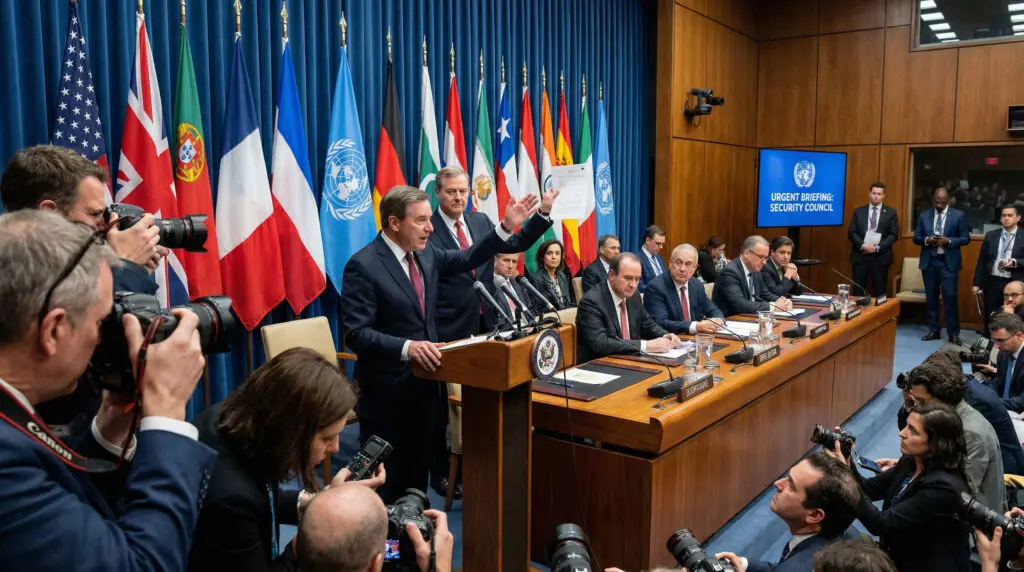
US Makes Strong Accusation Against Iran at Urgent UN Meeting
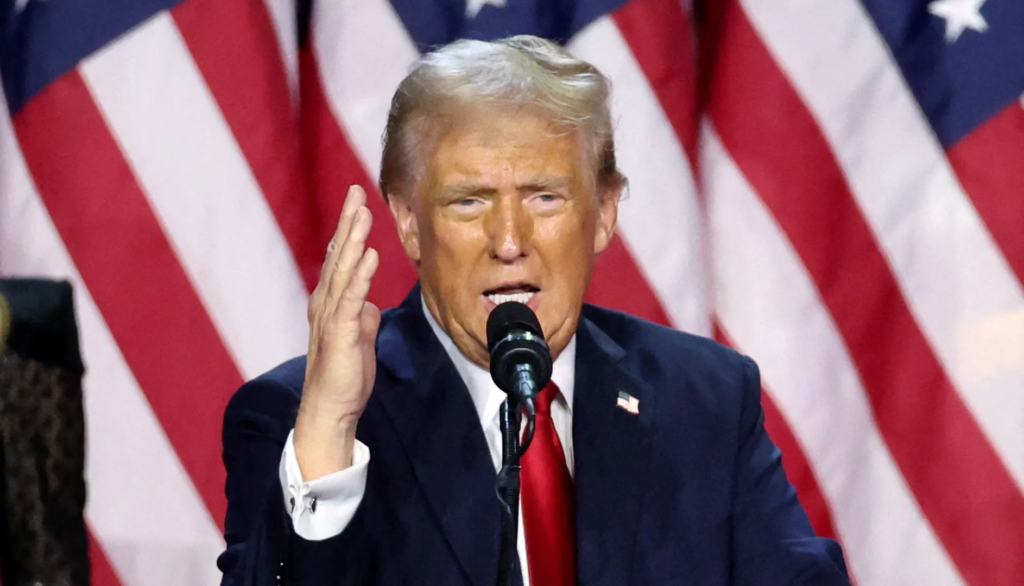
During an emergency Security Council meeting, the US said that Iran was trying to kill President Donald Trump. Ambassador Mike Waltz said that the accusation was a serious escalation in Iranian hostility. Officials said that the claim was part of a larger set of concerns about Iran’s behavior in the region.
The accusation was made at a time when tensions were high after recent military exchanges. Diplomats stressed how serious any plot against a sitting president would be. Observers said that the charge immediately intensified global diplomatic pressure.
Source: Al Jazeera/Website
US Ambassador Says Iran Is Still Threatening US Interests
Ambassador Waltz said that Iran’s government is involved in long-term violent campaigns. He argued that Iran’s actions put US troops and allied networks in the region at risk. His comments echoed previous concerns about proxy forces linked to Tehran.
US officials framed the accusation as part of a broader pattern of aggression. They warned that continued hostility could prompt additional defensive measures. Several diplomats described the situation as increasingly unstable.
Accusation Repeated Publicly as Part of Broader Diplomatic Strategy
Throughout the session, US representatives repeatedly referenced the assassination allegation. They used it to justify recent military responses. Officials said transparency was necessary to ensure international understanding.
Live updates indicated that Washington detailed multiple forms of alleged Iranian aggression. Diplomats cited statements by Iranian officials as evidence of threatening rhetoric. They argued that such developments required coordinated international responses.
Recommended Article: Abu Dhabi and US Chambers Strengthen Trade Ties
Context Includes Recent Strikes and Iranian Cross-Border Retaliation
The accusation followed major US and Israeli strikes inside Iran. Tehran responded with missile and drone attacks targeting American positions in the region. The exchange heightened fears of broader regional involvement.
There were unconfirmed reports of casualties among senior Iranian officials. Analysts cautioned that such claims required independent verification. Nevertheless, the developments intensified debate over expanding military operations.
Global Leaders Raise Legal and Security Concerns
Several UN members expressed concern about escalating tensions. Delegates questioned the legality of recent cross-border actions. They called for renewed diplomatic engagement to prevent further deterioration.
Multiple governments warned that continued escalation could trigger wider regional conflict. Officials highlighted risks of violence spreading into already fragile areas. Appeals for immediate de-escalation grew during the meeting.
Gulf Governments Fear Spillover and Civilian Harm
Governments in the Gulf region voiced concern about potential spillover effects. Officials pointed to risks posed by missile activity near civilian populations. They urged all parties to exercise restraint.
Regional leaders emphasized vulnerabilities in critical infrastructure. They warned that prolonged conflict could threaten major trade routes. Diplomatic appeals aimed to prevent further retaliatory strikes.
Analysts Warn of Long-Term Global Consequences
Experts cautioned that the confrontation could reshape global security dynamics. They argued that sustained crisis would weaken international alliances. Economic repercussions could spread across multiple markets.
Analysts said the accusation significantly complicates diplomatic negotiations. They stressed that resolution would require swift and coordinated international efforts. Observers continued monitoring developments as uncertainty expanded.