


Supreme Court Tariff Ruling Deepens Trade Uncertainty
After the Supreme Court turned down an important tariff mechanism, Asian businesses were careful. The decision made things even more uncertain for exporters who send goods to the US.
Executives said that changing trade policies make it hard for regional manufacturing networks to plan investments. A number of companies put their plans to grow on hold because of unpredictable duties and rules that changed quickly.
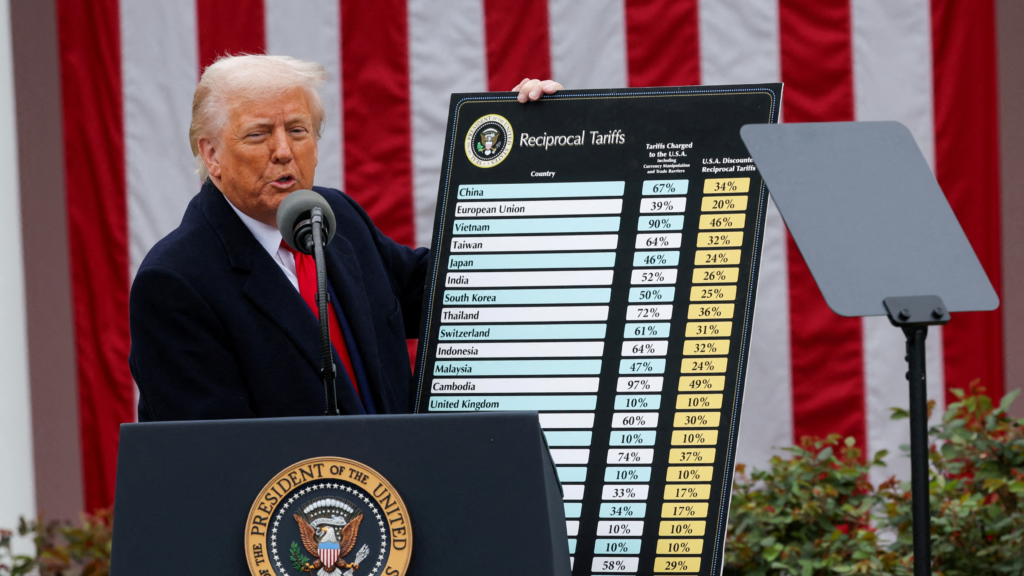
Source: Nikkei Asia/Website
New Tariff Order Adds Complexity as Firms Seek Clearer Long Term Stability
After the ruling, President Trump quickly sent out a new global tariff order. Companies said that the sudden change made it even harder to understand what they needed to do to be compliant.
Officials said that tariff levels could go up again without much warning. Exporters said that the lack of clarity is hurting confidence and making it harder to plan production in Asian markets that are all connected.
Manufacturers Report Rising Costs and Order Disruptions Across Supply Chains
After the first tariff announcements, producers all over Asia had to deal with canceled orders and renegotiated contracts. Companies had a hard time keeping costs down while changing shipping schedules and figuring out new margins.
Executives said that prices that aren’t clear make it hard for manufacturers to predict their sales. Many businesses stressed that unstable tariffs are harder to deal with than fixed but higher costs.
Recommended Article: Trump Raises Global Tariffs To 15 Amid Court Decision Fallout
Businesses Reevaluate Market Strategies to Reduce Exposure and Protect Growth
A number of businesses moved their operations to different regional markets. Managers said they were working harder to sell in Canada, Australia, and the Middle East.
Executives agreed that having a variety of destinations helps keep things stable when things are uncertain. They stressed that focusing on things you can control helps you stay strong when rules aren’t always clear.
Logistics Providers Highlight Operational Confusion and Persistent Administrative Risks
Freight companies said that the rules for tariffs were hard to understand and often overlapped. They said that unclear refund processes could cause delays in the work of importers and exporters.
Shipping companies told their customers to expect delays until the rules are clear and consistent. Executives said that supply chains can’t change quickly and need stable conditions to do so.
Tariffs Reinforce China’s Supply Chain Advantage
Companies said that China is still the leader in regional production because of its size and efficiency. Tariffs based on where goods come from make it harder for companies to move manufacturing jobs.
Executives said that Chinese suppliers raised prices in the region to keep factories running. This dynamic made China’s competitive edge even stronger, even as exporters from nearby countries looked for opportunities.
Trade Policy Uncertainty Disrupts Supply Chain Planning
Experts said that targeted trade tools could come out after the law changes. They thought that the lack of clarity around long-term plans would likely keep things unclear for a while.
Businesses said it was hard to plan where to make things and how much inventory to keep. A lot of businesses changed their supply chains so they could work well without waiting for clear policy signals from Washington.