



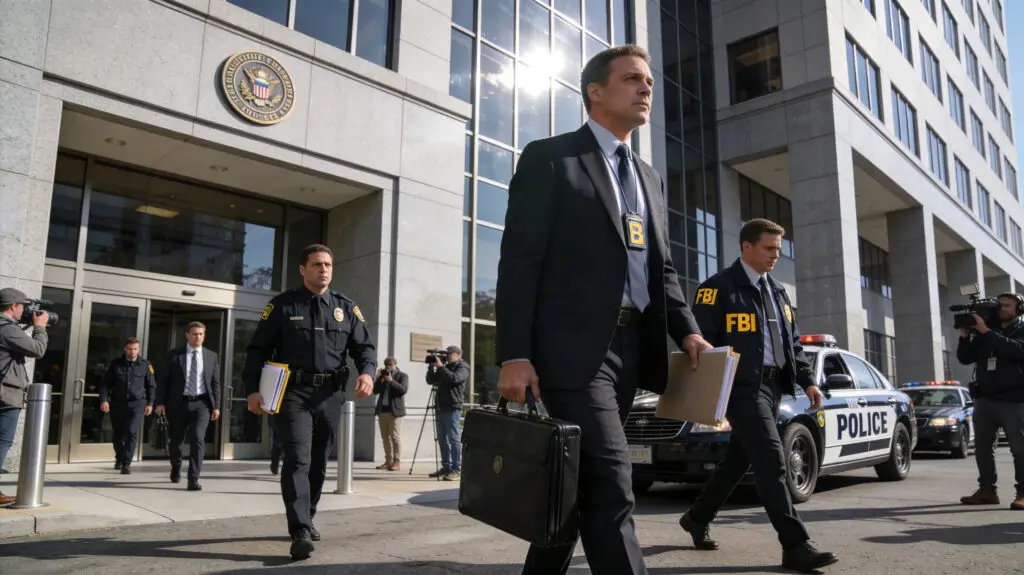
A Real-World Analysis of FBI Firings Linked to Trump Probe
Written by a legal and policy analyst specializing in U.S. institutional governance and enforcement frameworks, this analysis examines the broader implications of recent FBI personnel decisions tied to a politically sensitive investigation.
The firing of FBI agents connected to the Trump documents case signals a deeper institutional tension—not merely a personnel action, but a development with potential legal and systemic consequences.
In our analysis of U.S. enforcement structures, such actions raise immediate questions about due process, institutional independence, and the long-term stability of federal investigative bodies.

Source: ABC News/Website
What Happened in the FBI Firings Case?
Reports indicate that Kash Patel ordered the dismissal of multiple agents connected to the 2022 investigation into Donald Trump.
The probe focused on classified materials allegedly retained at Trump’s Mar-a-Lago residence following the conclusion of his first presidential term.
Key facts from the case include:
- The Federal Bureau of Investigation conducted a high-profile search of Mar-a-Lago in 2022
- Documents reportedly included sensitive defense and intelligence materials
- The investigation did not proceed to trial following legal and procedural developments
From a legal standpoint, the absence of a full trial leaves several substantive questions unresolved, particularly regarding evidentiary thresholds and prosecutorial strategy.
Why Does This Matter for the US Justice System?
This development sits at the intersection of law enforcement independence and executive authority.
When evaluating institutional risk, we observed that personnel actions involving politically sensitive investigations can significantly influence public trust in federal agencies.
Core concerns include:
- Perception of political influence over investigative processes
- Internal morale and retention within agencies like the FBI
- Long-term credibility of enforcement decisions and outcomes
These factors directly affect how legal institutions are perceived both domestically and by international observers.
How Did the Courts Shape the Outcome of the Case?
The legal trajectory of the investigation was shaped in part by judicial decisions, including a ruling by Aileen Cannon.
The court dismissed key elements of the case, citing procedural concerns related to the appointment and authority of the special counsel.
In our assessment, this reflects a recurring dynamic in U.S. legal proceedings:
- Procedural challenges can override substantive allegations
- Legal technicalities may halt high-profile prosecutions
- Appeals may not proceed if political or institutional conditions shift
The case was ultimately dropped after Trump returned to office, consistent with policies of the Department of Justice regarding sitting presidents.
What Are the Due Process Concerns Raised by Agents?
The FBI Agents Association publicly criticized the dismissals, raising concerns about due process and internal accountability.
In our analysis, this response is significant because it reflects institutional concern from within the law enforcement community itself.
Key risks identified include:
- Loss of experienced personnel with specialized investigative expertise
- Reduced operational continuity in sensitive cases
- Potential chilling effect on future investigations involving political figures
These concerns suggest that the issue extends beyond individual employment decisions to broader questions of institutional integrity.
How Does Executive Power Interact With Law Enforcement?
This case highlights a structural reality within the U.S. system: executive leadership maintains influence over federal law enforcement agencies.
However, that influence must be balanced against established norms of independence to preserve institutional credibility.
From a governance perspective:
- Law enforcement bodies must operate without perceived political bias
- Leadership decisions must withstand both legal and public scrutiny
- Institutional safeguards depend heavily on precedent, norms, and oversight mechanisms
When these norms are tested, the effects can extend across the broader legal and political system.
Why This Matters for Global Markets and Political Risk
From a global risk standpoint, developments within U.S. institutions often influence investor sentiment and geopolitical stability.
In our evaluation, political and legal uncertainty in the United States can affect:
- Currency markets and international capital flows
- Sovereign risk perception among global investors
- Alignment of regulatory frameworks across jurisdictions
For financial markets, the key issue is not the specific case itself, but the signal it sends regarding institutional consistency and governance reliability.
Final Assessment Institutional Risk Not Just a Personnel Decision
The dismissal of agents linked to a politically sensitive investigation reflects a broader tension within U.S. governance structures.
From a legal and compliance perspective, it raises critical questions about due process, institutional independence, and long-term trust in enforcement agencies.
While the full factual context behind the firings remains subject to ongoing scrutiny, the structural implications are measurable.
For policymakers, investors, and legal observers, the central question is whether such actions reinforce or weaken confidence in the systems designed to uphold the rule of law.
This analysis is provided for informational purposes only and does not constitute legal or investment advice.