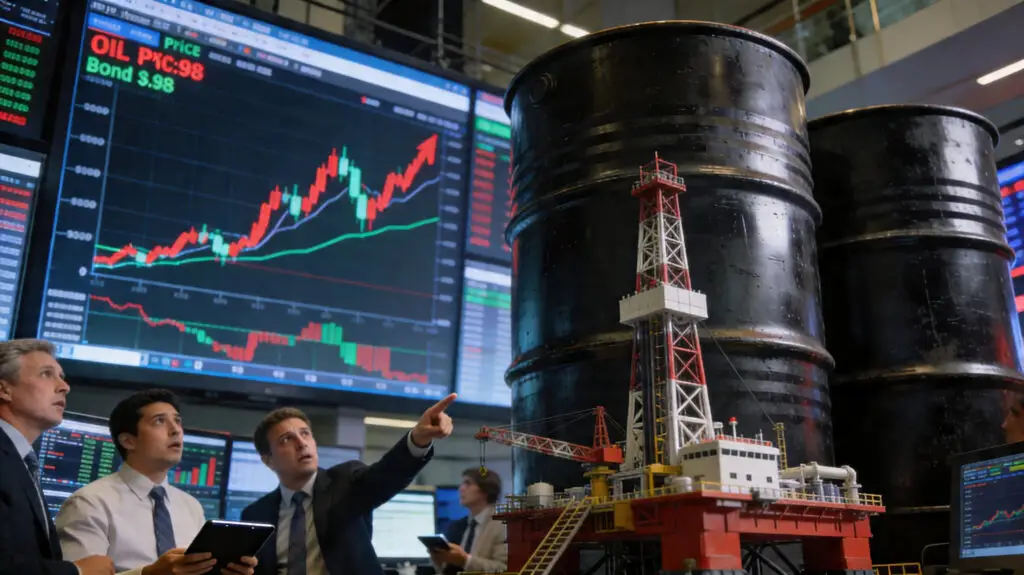




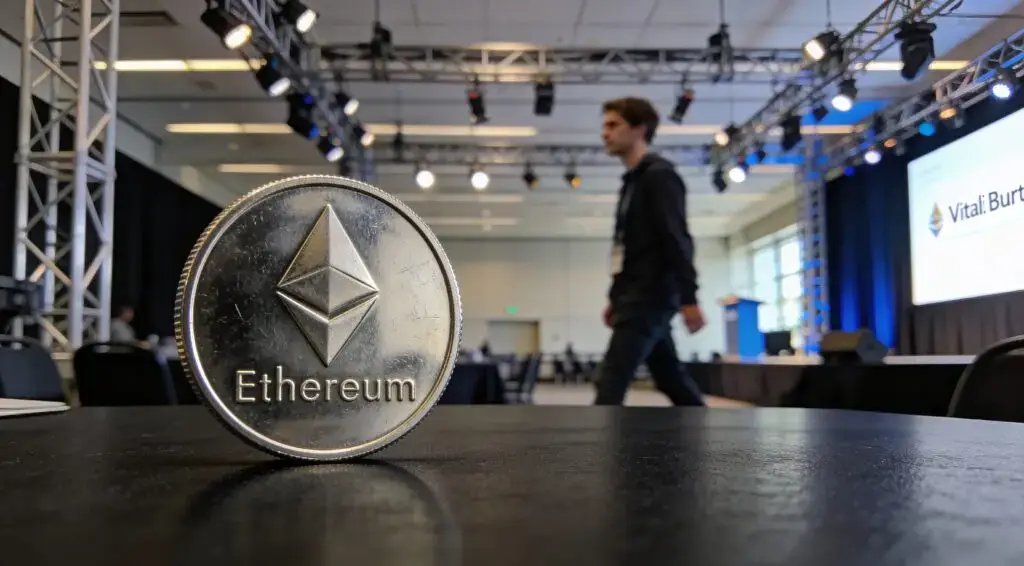
Ethereum Co-Founder Sells More ETH Than He Planned
Vitalik Buterin, one of the founders of Ethereum, has sold 17,196 ether since the beginning of February. Based on current market prices, these sales are worth about $35 million. The amount is more than the 16,384 ether he said he would give.
Buterin first talked about the threshold in January when he talked about how much money he would personally put into long-term projects. Going over the budget shows that the projects he supports have changing financial needs. The sales show that he is actively working to keep open source development going.
Source: Kryptonary/Website
Capital Deployment Helps Open Source Projects Last for Years
Buterin said before that the money would go toward multi-year investments that would support a wide range of open source technologies. He puts a lot of value on secure hardware, decentralized communication systems, and apps that focus on governance. He also wants money for operating systems and computational frameworks that are related to biotech.
He called these promises his “own share of the austerity” that fit with the Ethereum Foundation’s goals for long-term success. The goal is to strengthen important parts of the ecosystem while getting ready for future infrastructure. Individuals and organizational partners must make regular financial contributions for long-term support.
Sales Total Is Almost 5% Higher Than Allocation
The sale of 17,196 ether is about 4.9% more than his previous goal. Buterin took out 16,384 ether in late January. Because prices on the market were higher, that withdrawal was worth about $45 million.
Going over the goal means that the financial needs of the supported initiatives will grow or that the deployment schedules will speed up. The amount of funding may change depending on the needs of the project or the larger ecosystem. These changes make it even harder to keep open source development going in a lot of different fields.
Recommended Article: Vitalik Buterin Sells $7M In ETH As Ethereum Price Declines
Market Reaction Differs From Previous Buterin Linked Selloffs
In the past, ether prices have sometimes dropped after a lot of on-chain activity related to Buterin. Lookonchain data shows past sales when the market mood got worse. During a sale of 6,958 ether, something interesting happened.
Ether dropped from $2,360 to $1,825 during that time, a drop of 22%. A smaller sale brought the price down by almost 6%. These trends show that investors sometimes feel strongly about high-profile deals.
Ether Gains Nearly 10% Despite Recent Sales Activity
The way the market has been doing lately is different from how it used to be. Ether rose by almost 10% in the 24 hours before the most recent transactions. Prices went up from daily lows of around $1,816 to daily highs of over $2,100.
Ether did better than big assets like Bitcoin, XRP, and BNB during the market’s recovery. This answer makes it seem like investors’ worries about Buterin’s sales may have lessened. People in the market seem to be paying attention to the macroeconomic and technological stories that are moving prices right now.
Buterin’s Funding Actions Align With Broader Sustainability Goals
Buterin’s sales are part of a bigger plan to raise money that focuses on sustainability and ecosystem resilience. The Ethereum Foundation wants to put long-term growth ahead of short-term spending. His contributions show that he is in line with those priorities and support important research areas.
Buterin strengthens decentralized growth by moving personal assets to innovation grants and technical development. These actions show a style of leadership that stresses responsibility and maturity in the structure. The plan helps people in the community feel more confident when the market is unstable.
Open Source Investments Want to Make Ethereum’s Future Stronger
Buterin’s focus on building full stack infrastructure that can be verified helps Ethereum stay competitive in the long run. For decentralized apps to work, they still need secure and clear software foundations. Putting money into hardware and governance systems makes the protocol stronger.
These projects make the network more future-proof and open up more possible uses. Buterin wants to make the system more reliable and less vulnerable by carefully using capital. His continued involvement shows how important it is to keep investing in ecosystems as technology changes.