

New Amnesty Law Shows Big Change In How The Government Accepts Things
Venezuela’s acting president has signed a broad amnesty law that recognizes the existence of political prisoners that the government has long denied. The decision is a huge change from the US military strike in January and the kidnapping of President Nicolas Maduro. Officials are now under more pressure to keep their promises to families who are waiting for prisoners to be released.
The law could apply to politicians, activists, journalists, and human rights defenders who have been in jail for almost 30 years. It is 1 of the most important changes in the law since the recent political crisis. People say that the law is both symbolic and important for the structure of national reconciliation.
Source: France24/Website
Hundreds Already Released But Many Families Still Await Final Outcomes
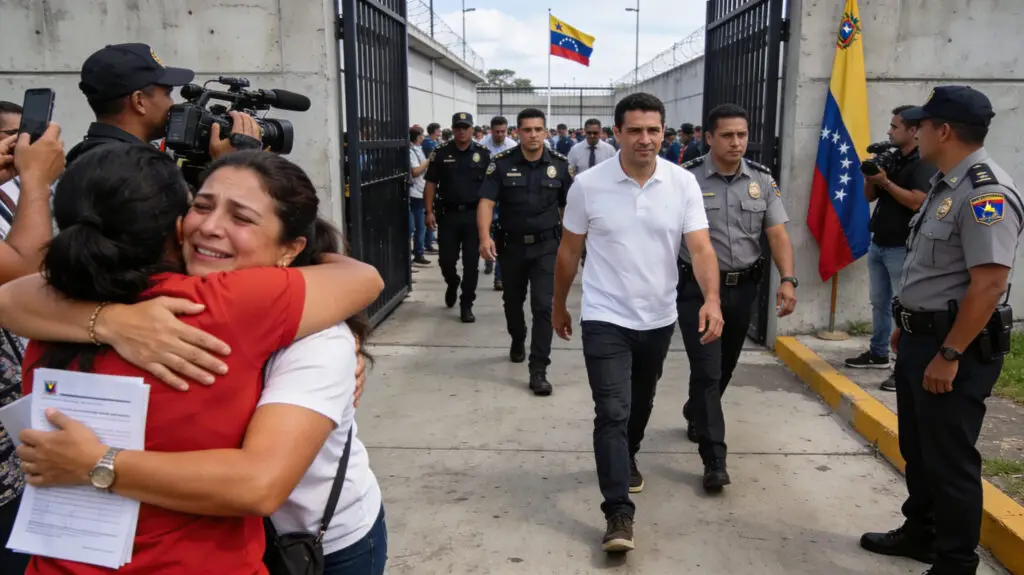
Foro Penal, a local rights group, says that 448 people have been released since the beginning of January. The group, on the other hand, thinks that more than 600 people are still in jail for political reasons. Families have been gathering outside detention centers for weeks, hoping that the promised releases will finally happen.
Many family members say that acting President Delcy Rodriguez has not kept his promises. They are worried that administrative delays could make things even more unclear, even though there are now legal frameworks in place. International observers need to keep an eye on things to make sure that implementation is open and honest.
Amnesty Covers Protests Elections And Actions Dating Back 2 Decades
The law applies to being involved in protests, elections, and other politically charged events that have happened since 2004. It includes events related to the coup in 2002 and later times of unrest. But the law does not include a full list of the crimes that can get amnesty.
Earlier drafts talked about crimes like rebellion, treason, resisting authority, and starting illegal activity. The final version seems to have softened or taken out these provisions. Legal experts say that unclear language could make it harder and possibly take longer to review individual cases.
Recommended Article: Who Runs Venezuela Now And What Trump Plans For Its Oil
Important Exceptions Leave Some Prisoners Outside Amnesty Protections
The law makes it clear that people who were convicted of military rebellion related to events in 2019 are not eligible. It also does not restore seized property or lift bans on holding public office that were put in place for political reasons. Under current rules, sanctions against some media outlets will also stay in place.
These exclusions show that there are still problems in Venezuela’s divided political scene. Some people say that the law tries to bring people together while also keeping the government’s power. Unresolved restrictions may make it harder for people who are expecting broader restitution to fully reintegrate.
Opposition Views Are Split Between Cautious Hope And Deep Doubt
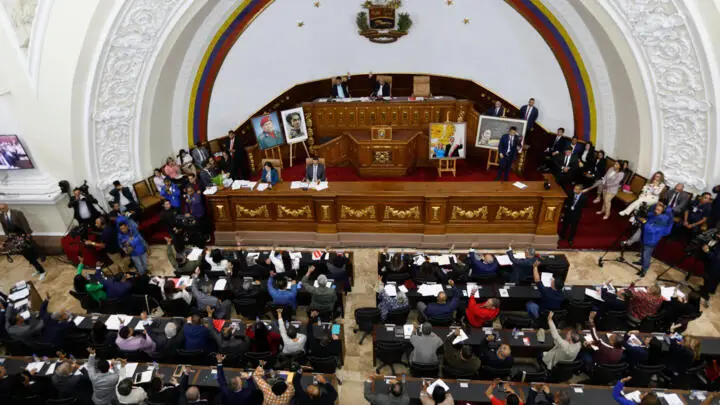
Some officials in the opposition say that the law is an important step toward bringing the country back together. Nora Bracho, a member of the legislature, said during a parliamentary debate that it was not perfect but definitely a step in the right direction. She stressed the need for ways to help people heal over the long term after decades of political conflict.
Others in the opposition strongly disagreed with the measure. Pedro Urruchurtu said that real amnesty needs more than just laws; it needs political will. He said that the law could be used as a way to buy time and hurt people who have already been hurt by government agencies.
International Relations Shift As Washington Engages With Acting Leadership
After President Maduro was kidnapped, US President Donald Trump has been nice to acting President Delcy Rodriguez. He has downplayed support for the opposition while praising some policy changes. These changes are a sign of a complicated realignment of international positions.
Rodriguez has agreed to a number of actions that are in line with US interests. These include stopping oil shipments to Cuba and backing changes that would let foreigners invest in Venezuela’s state-run energy industry. People think these actions are efforts to keep diplomacy stable during a time of political change.
Oil Revenue Control And External Oversight Add Further Political Complexity
The US said it would control the money from Venezuelan oil sales until a government that represents the people is formed. This deal brings a lot of outside influence into Venezuela’s economy. It also puts more pressure on the acting leadership to show that they are making real changes to how they govern.
Analysts say that the amnesty law is part of a bigger plan to calm things down and get support from other countries. If done well, it could boost people’s confidence at home and make it easier for more people to talk to each other. But if the opposition keeps fighting, it could make it harder to reach a political agreement in the future.